Brian Maddock

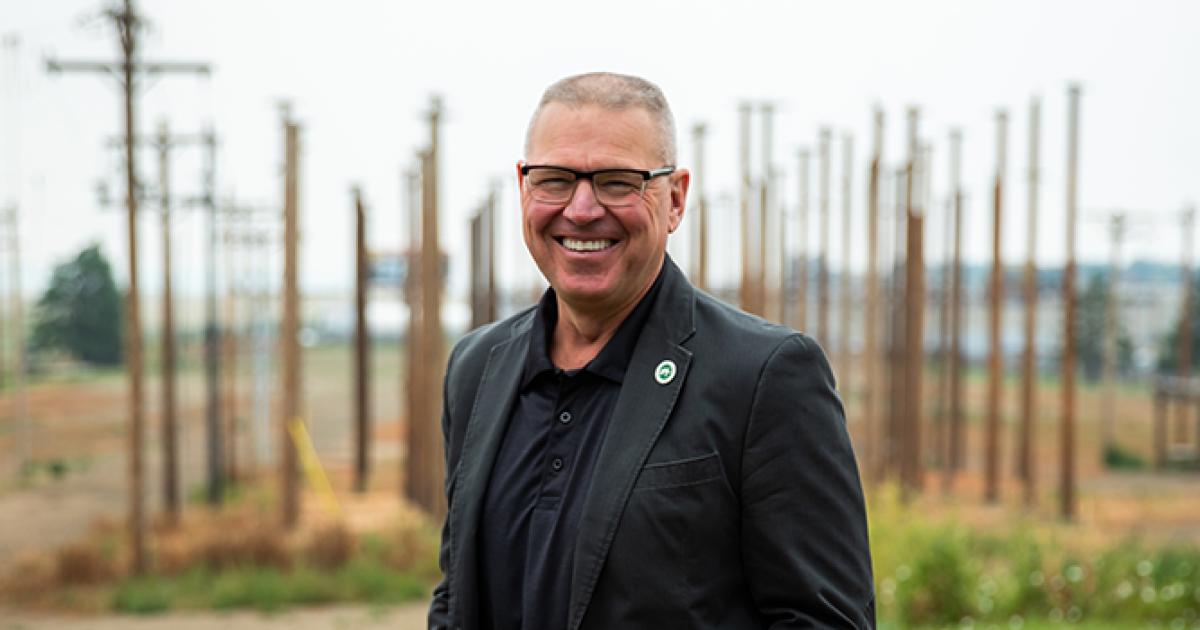
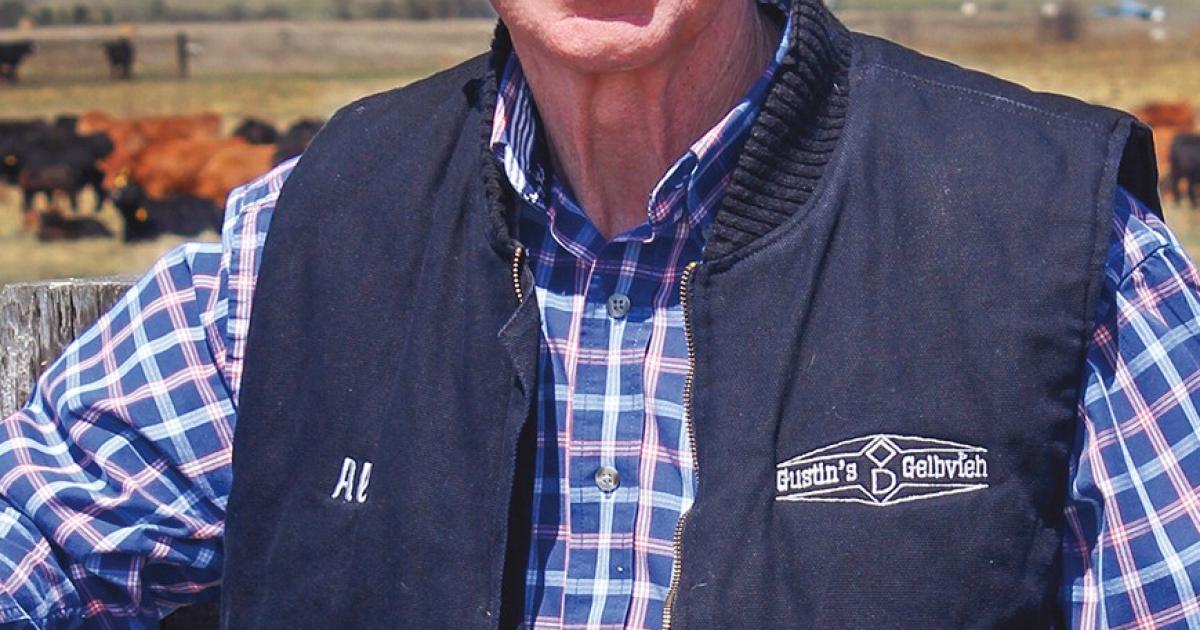
While farmers across the nation faced an economic collapse during the 1980s farm crisis, Brian Maddock studied.

As a legacy farmer, his family heritage runs deep. Maddock Ranch, located near the town of its namesake, traces back to Brian’s grandfather, who homesteaded in the area in 1889; the same year North Dakota gained statehood.

But it wasn’t until Brian attended a course on holistic resource management (HRM), that he put his faith into treating the ranch as one interconnected ecosystem. It worked.

Thomas Hanna

Each spring, Thomas Hanna walked alongside his father and grandfather, surrounded by the sweet scent of clover and the hum of hundreds of hives. There, he learned the rhythms of beekeeping, watching, listening and gaining hands-on experience all through high school. By 2009, he became a full-time beekeeper. Today, Thomas and his family continue their grandfather’s legacy at Hanna Honey Farm.

Ashley Bruner

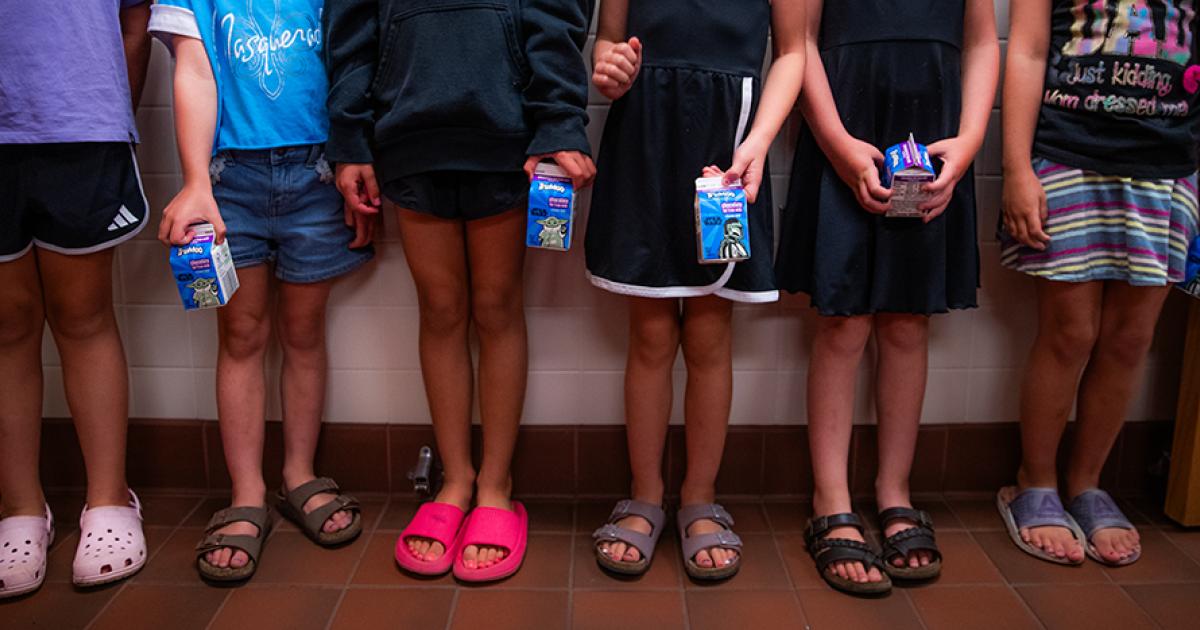
Most mornings, before the sun even rises, Ashley Bruner starts her day checking backpacks, making breakfast and mapping out the day before shuffling her four children off to elementary school. From there, she heads to a garage about 250 feet from her house. It’s a space her dad helped convert into a mini meat shop, complete with a walk-in freezer stocked with beef.

Routine, Bruner will tell you, is the last word to describe life on the ranch.

“No two days are the same,” she says.

Farm safety

From the rolling row crops in the east to the rugged wheatfields of the west, North Dakota’s electric cooperatives have a top priority for everyone in the field: ensuring every farmer returns home safely.

Power lines are necessary to deliver electricity to hardworking farmers and ranchers, but those same power lines can be deadly if not treated with respect. While farmers need to focus on the field and their machinery, your local electric cooperative urges you to also watch for electrical hazards.

Quinn Renfandt

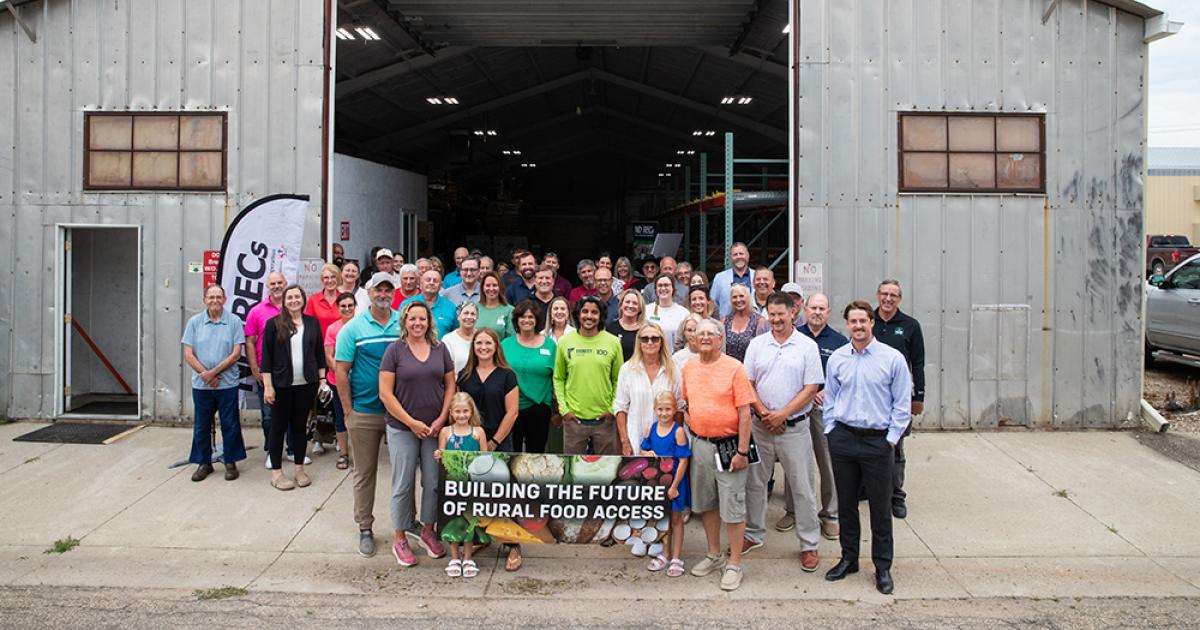
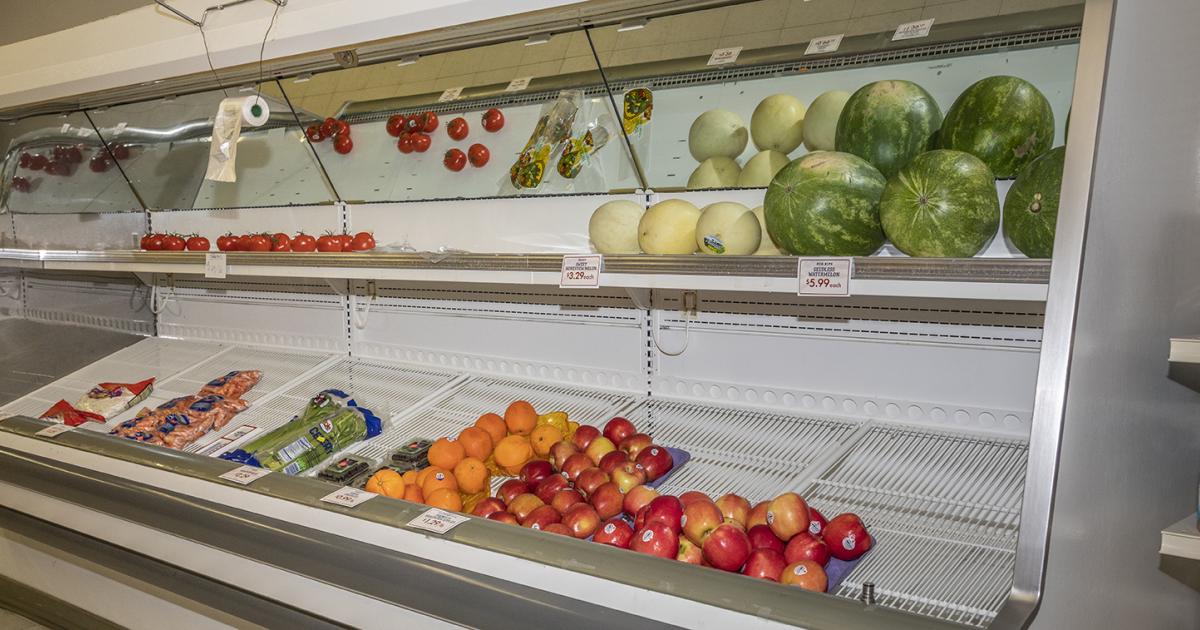
When the pandemic hit in the spring of 2020, Quinn Renfandt saw how serious food shortages could be to a landlocked state like North Dakota. It created a sense of urgency he hadn’t felt before.

“I was fascinated – and honestly disturbed – by the fact that we have food deserts here in North Dakota,” he says.

A food desert is an underserved area with limited access to affordable, healthy, fresh food.

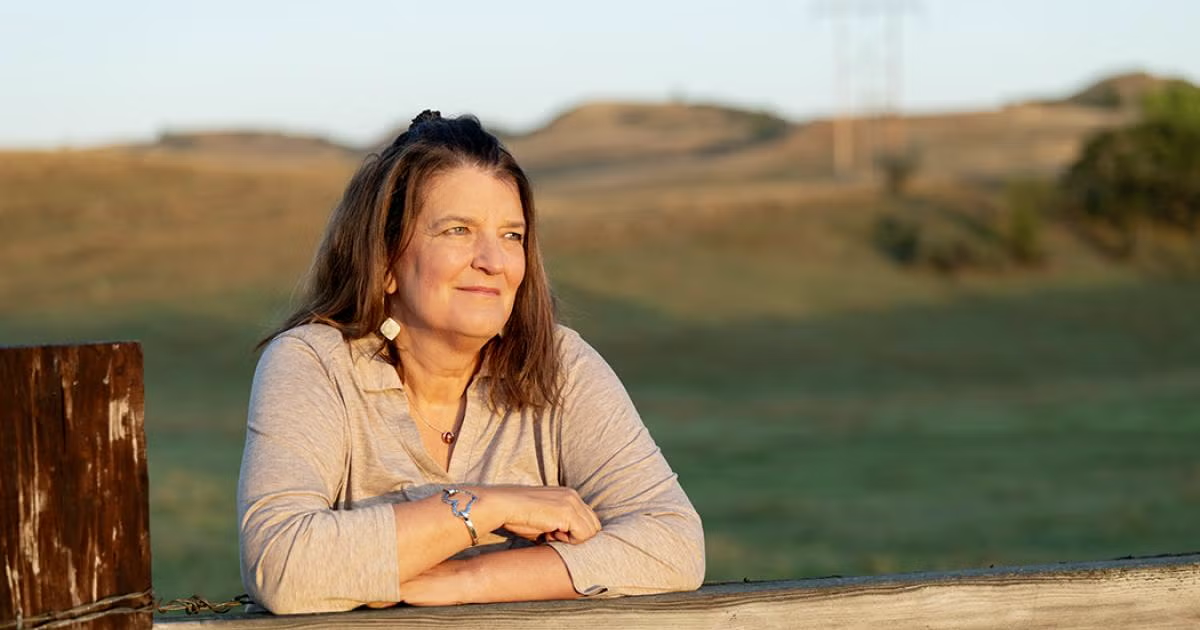
Cally Peterson traveling with veterans on an Honor Flight

I tell people I have the best job in North Dakota.

I get to tell stories about North Dakotans, about rural people and rural places, about co-ops and co-op people.

I grew up drinking the co-op Kool-Aid. My family was a Farmers Union family, which meant we were a co-op family.

My mom, Pam Musland, was even the magazine’s local pages editor for KEM Electric Cooperative when I was a little girl in Ashley. My name was first mentioned in the magazine when I was 2½ years old.