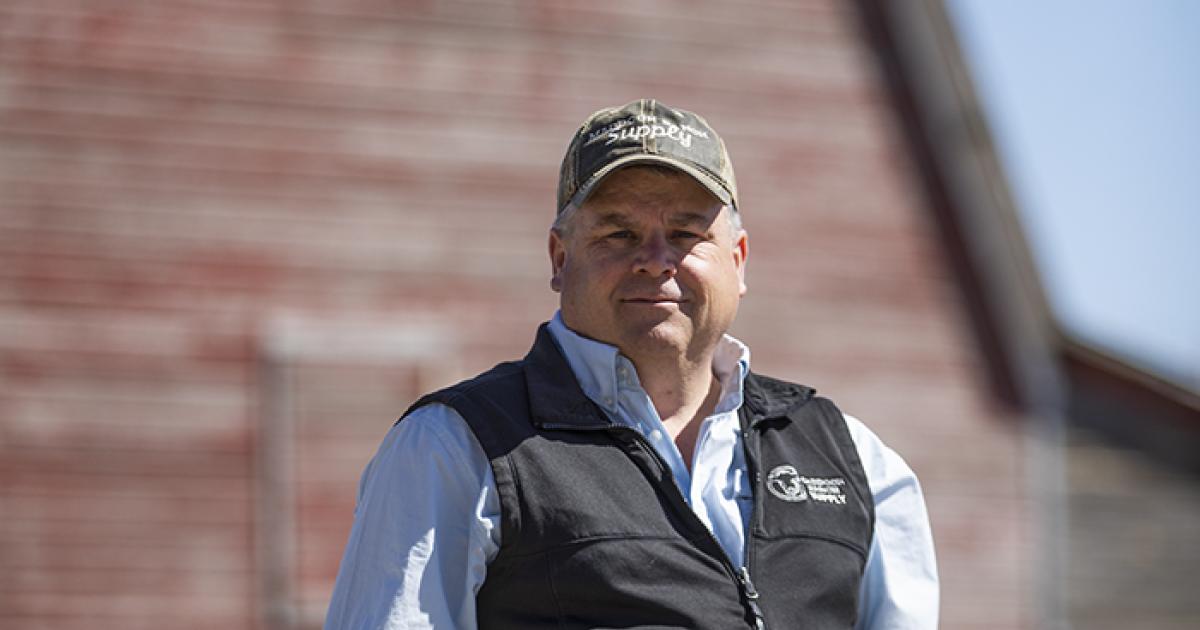

Brenda and Matt McCasson

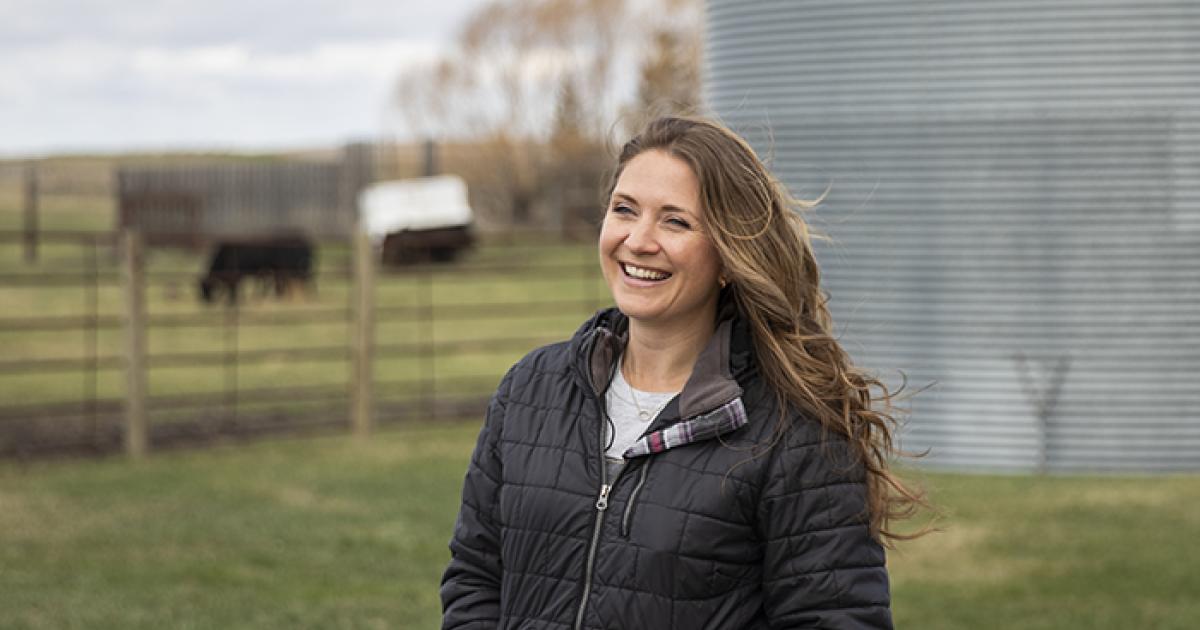
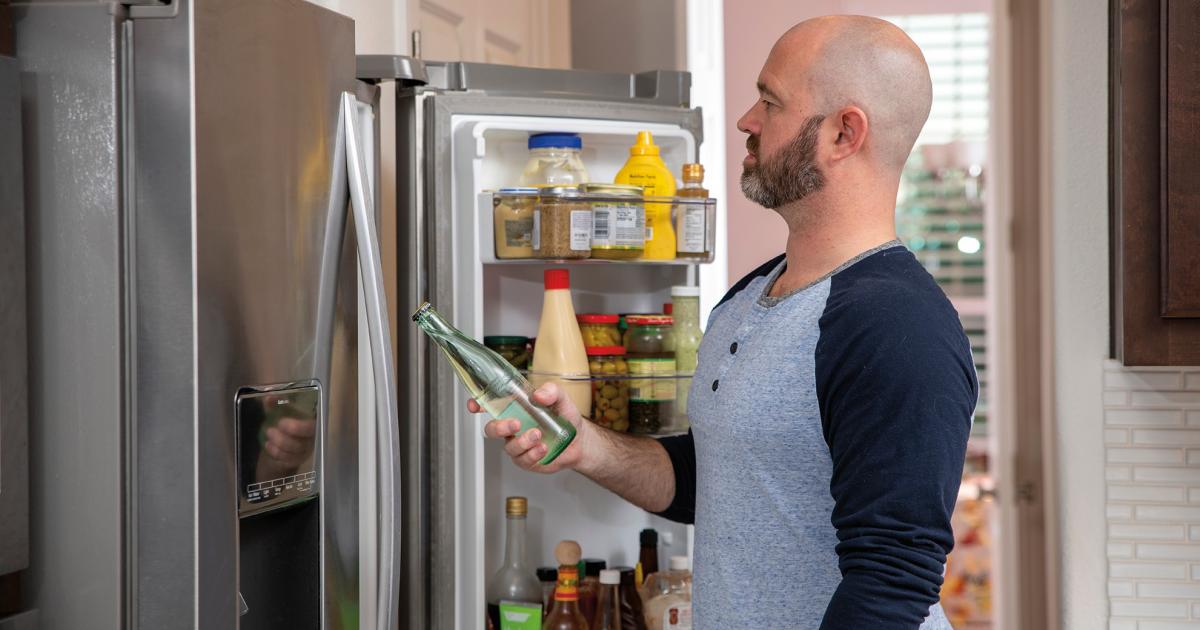
When you walk into Velva Fresh Foods, it feels like a small-town hug. You’re greeted by smiling staff and good smells – bread baking, meat smoking or whatever homemade lunch owner Brenda McCasson is whipping up that day.

McCasson and her husband, Matt, bought the grocery store in 2019 from former state legislator Shawn Vedaa, who first hired Brenda as a meat cutter in 2016.

“(Shawn) said, ‘Well, you’re basically doing everything anyway. Why don’t you just buy it?’” Brenda recalls.

Rural grocer

North Dakota now has less than 90 rural grocery stores, down from 137 in 2014.

Rural residents often drive 100 miles or more for basic groceries.

In Ashley, Towner, Turtle Lake, Velva and other small towns across the state, rural grocers are fighting to keep their stores operational. The margins are slim. The challenges mount. But their communities are relying on them.

So seniors don't have to drive long distances during the winter. So busy moms can stay close to home. So their small town survives.

Are these the last rural grocers?

Adrianna Aguayo and Cole Edwardson

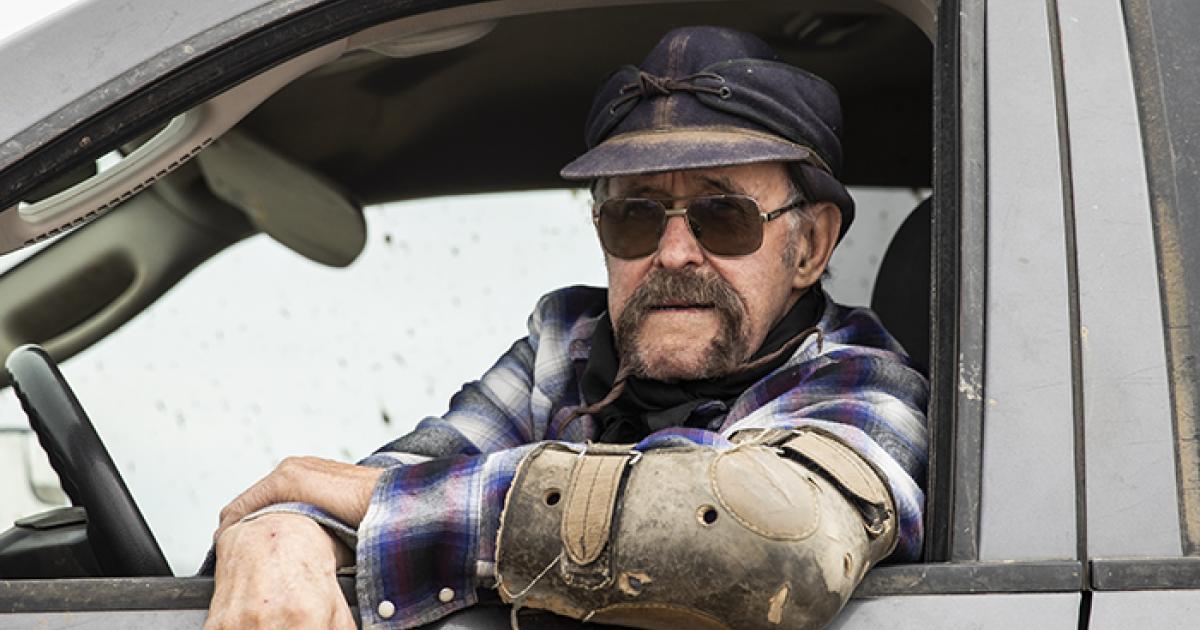
From the oil pumped in western North Dakota to the light switch flicked on and off many times a day, technology is interwoven into society.

When the coordinator of the writing program at the University of North Dakota (UND), Anna Marie Kinney, goes to buy a hardcover book from the store – seemingly un-technological – she drives her car with her phone’s GPS. Once there, she pays with a credit card.

Troy and Sara Vollmer

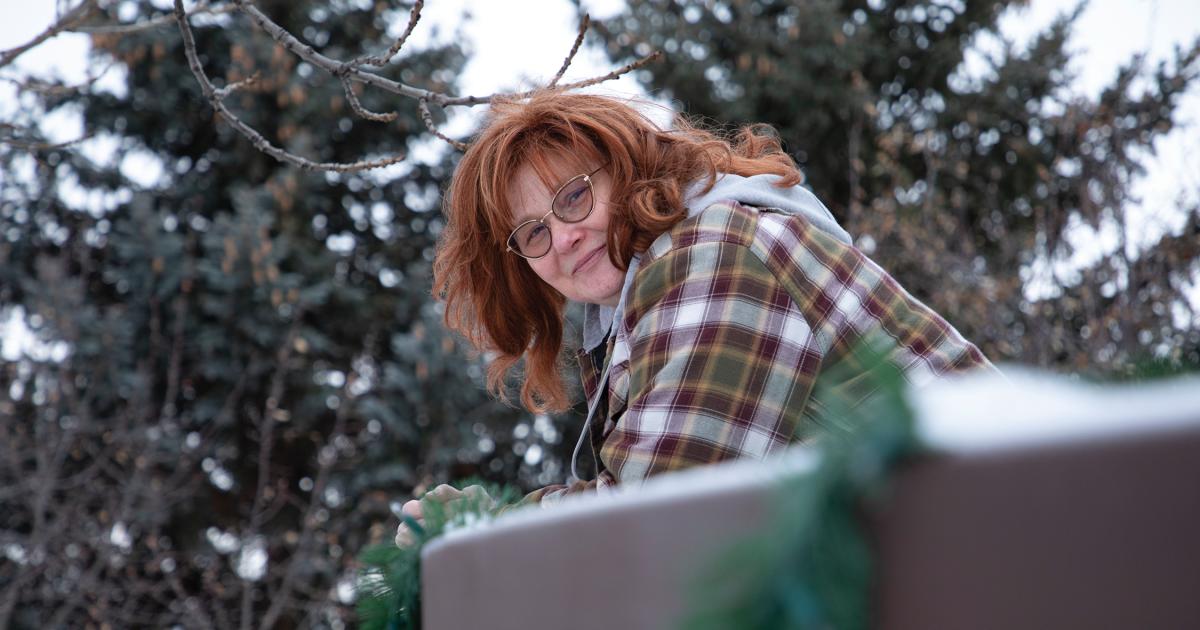
Sara Vollmer is living out her dream.

“You can’t not love the ranch,” she says.

The Leonard native met her husband, Troy Vollmer, while both were obtaining animal science degrees at North Dakota State University (NDSU).

“We both had the same advisor,” Sara recalls. “(The advisor) told Troy, ‘I’ve been to Wing, Troy. You best find a wife before you leave Fargo.”

Troy, it turns out, was a good student.

AI graphics

In her 46th year of teaching, Sharon Klein remembers the first computers incorporated into her curriculum and the introduction of the internet.

Now, artificial intelligence (AI) is streaming into her classroom.

When the English teacher first encountered ChatGPT in 2023, “cheating” was her first thought, but she has changed her mind.

2026 NDL Photo Contest


North Dakota Living was once again amazed by the photo entries for the second annual photo contest! There were 600 entries, double last year’s amount.

From North Dakota skies to North Dakota people and more, the photos captured North Dakota in all its beauty. The judges remarked how difficult it was to choose the winners.

Thank you to everyone who participated, and congratulations to the winners of the 2026 North Dakota Living Photo Contest!


Cally Peterson

I don’t remember ever watching my mother, grandmothers or great-grandmothers (how lucky am I to have memories of each!) use pressure cookers. I don’t have a lived traumatic pressure-cooking experience. Yet still, I am downright terrified of pressure cookers!

Why?

I hypothesize we suffer from the generational trauma of pressure cookers. Although I never directly experienced a traumatic pressure-cooker explosion, it’s possible the fear has been passed down from one generation of my family to the next.

Bruns family

Beyond supporting North Dakota’s economy and feeding the world, farming and ranching is a lifestyle – and livelihood. It is a legacy built on generations of hard work, sacrifice and success.

To protect this legacy and family farms and ranches around the state, North Dakota State University (NDSU) Extension, in partnership with North Dakota Farmers Union (NDFU), has developed succession planning workshops to help families transition operations to the next generation.

tarrif

This year, the United States has used tariffs in unprecedented ways.

In an effort to incentivize producers and consumers to manufacture and buy products in the United States – among other goals related to political negotiations and curbing the drug trade – the United States has implemented sweeping tariffs around the globe. Some target entire countries instead of specific commodities, from as low as 10% to as high as 50%.
What’s the point of tariffs? How are North Dakotans affected?