
Ashley Bruner

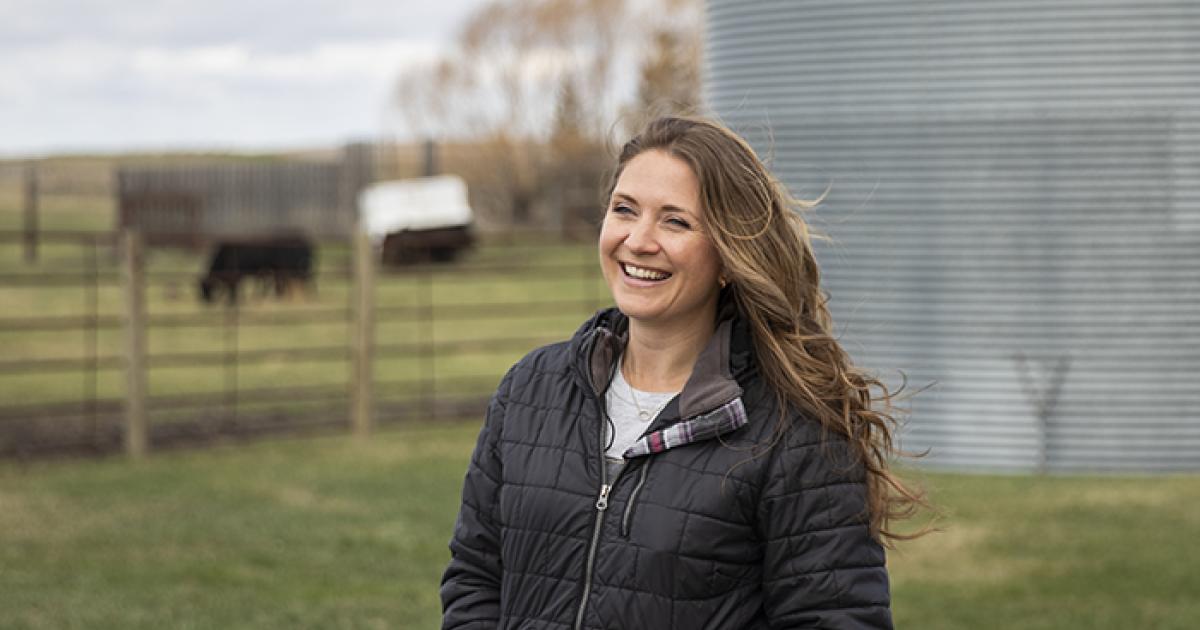
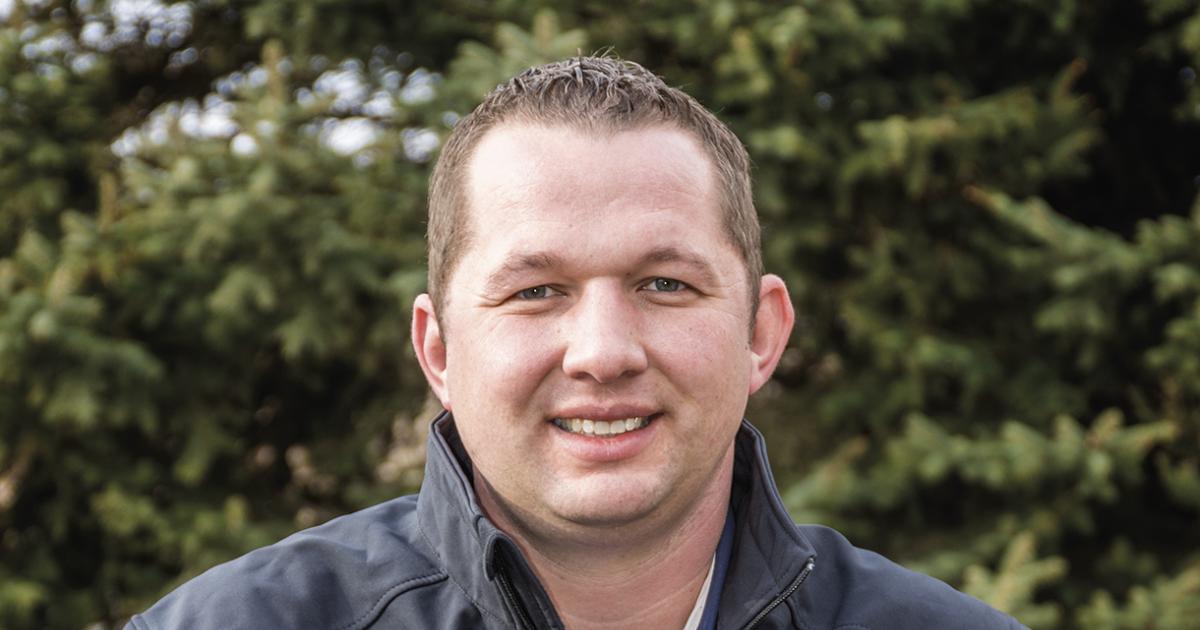
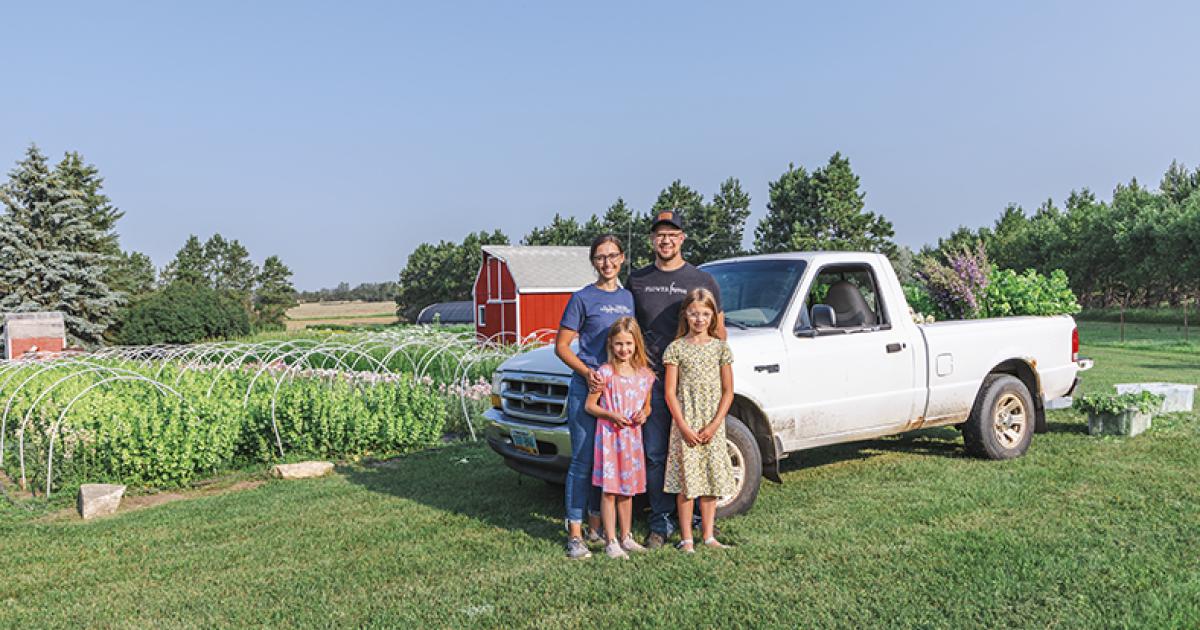
Most mornings, before the sun even rises, Ashley Bruner starts her day checking backpacks, making breakfast and mapping out the day before shuffling her four children off to elementary school. From there, she heads to a garage about 250 feet from her house. It’s a space her dad helped convert into a mini meat shop, complete with a walk-in freezer stocked with beef.

Routine, Bruner will tell you, is the last word to describe life on the ranch.

“No two days are the same,” she says.

Thomas Hanna

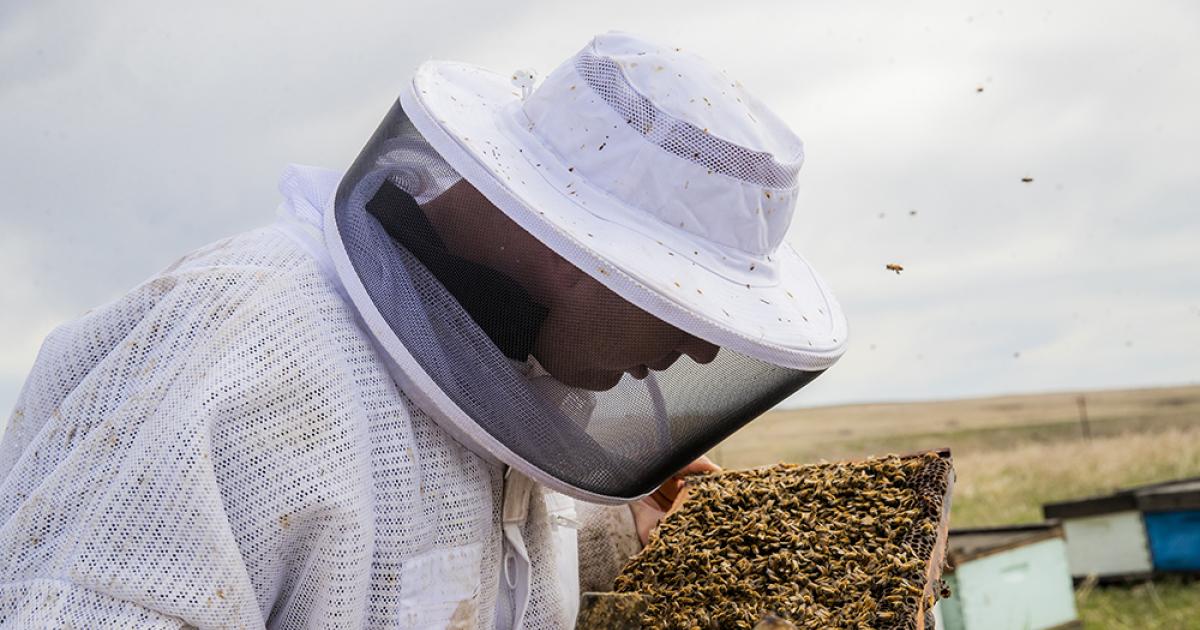
Each spring, Thomas Hanna walked alongside his father and grandfather, surrounded by the sweet scent of clover and the hum of hundreds of hives. There, he learned the rhythms of beekeeping, watching, listening and gaining hands-on experience all through high school. By 2009, he became a full-time beekeeper. Today, Thomas and his family continue their grandfather’s legacy at Hanna Honey Farm.

Quinn Renfandt

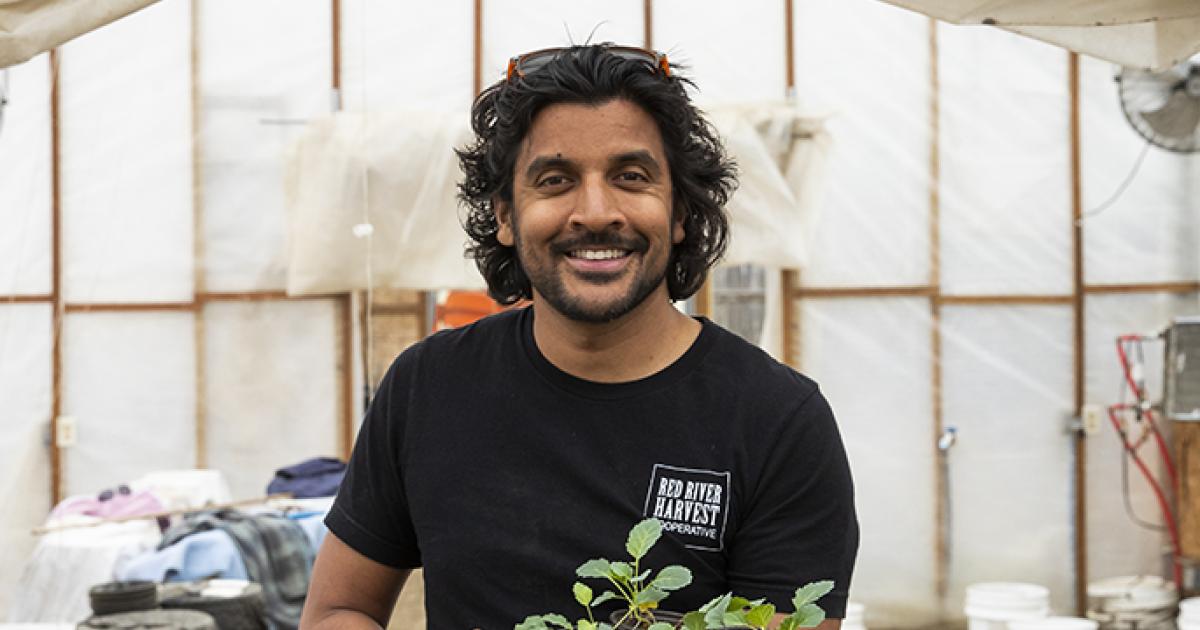
When the pandemic hit in the spring of 2020, Quinn Renfandt saw how serious food shortages could be to a landlocked state like North Dakota. It created a sense of urgency he hadn’t felt before.

“I was fascinated – and honestly disturbed – by the fact that we have food deserts here in North Dakota,” he says.

A food desert is an underserved area with limited access to affordable, healthy, fresh food.

Brian Maddock

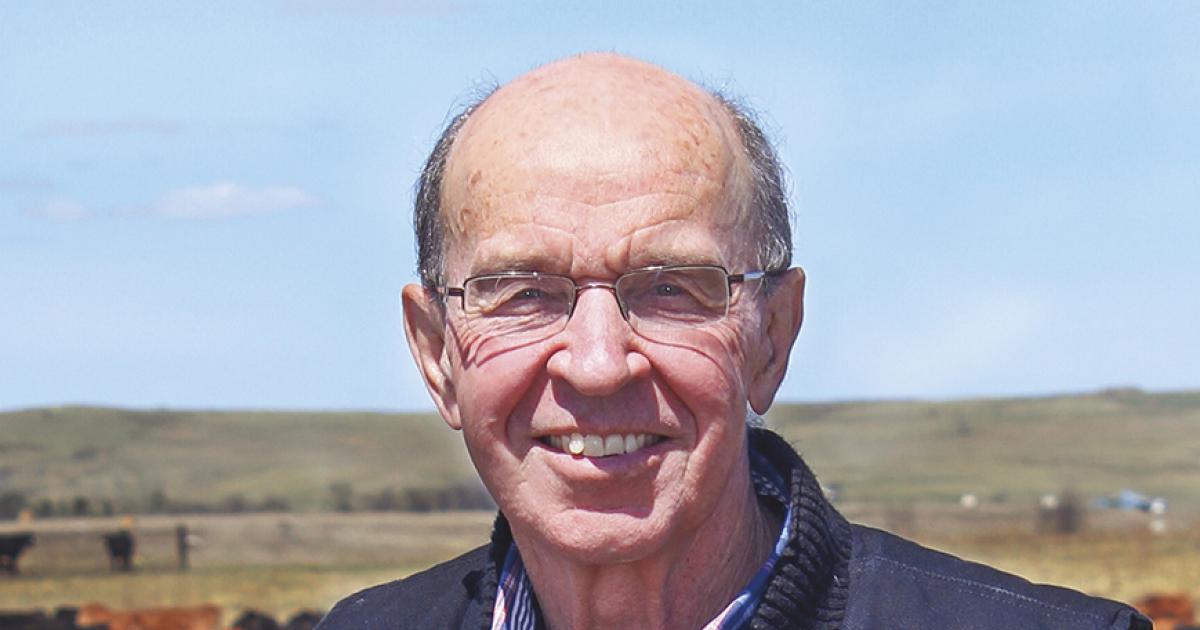
While farmers across the nation faced an economic collapse during the 1980s farm crisis, Brian Maddock studied.

As a legacy farmer, his family heritage runs deep. Maddock Ranch, located near the town of its namesake, traces back to Brian’s grandfather, who homesteaded in the area in 1889; the same year North Dakota gained statehood.

But it wasn’t until Brian attended a course on holistic resource management (HRM), that he put his faith into treating the ranch as one interconnected ecosystem. It worked.

Joe Weigand

Though President Theodore Roosevelt called New York home, he was an intermittent North Dakotan. And he ate like one, too.

“The president lives very plainly. He prefers plain, wholesome food to the most elaborate menu,” the former White House chef Henry Benoit told The Lafayette Sunday Times in 1903.

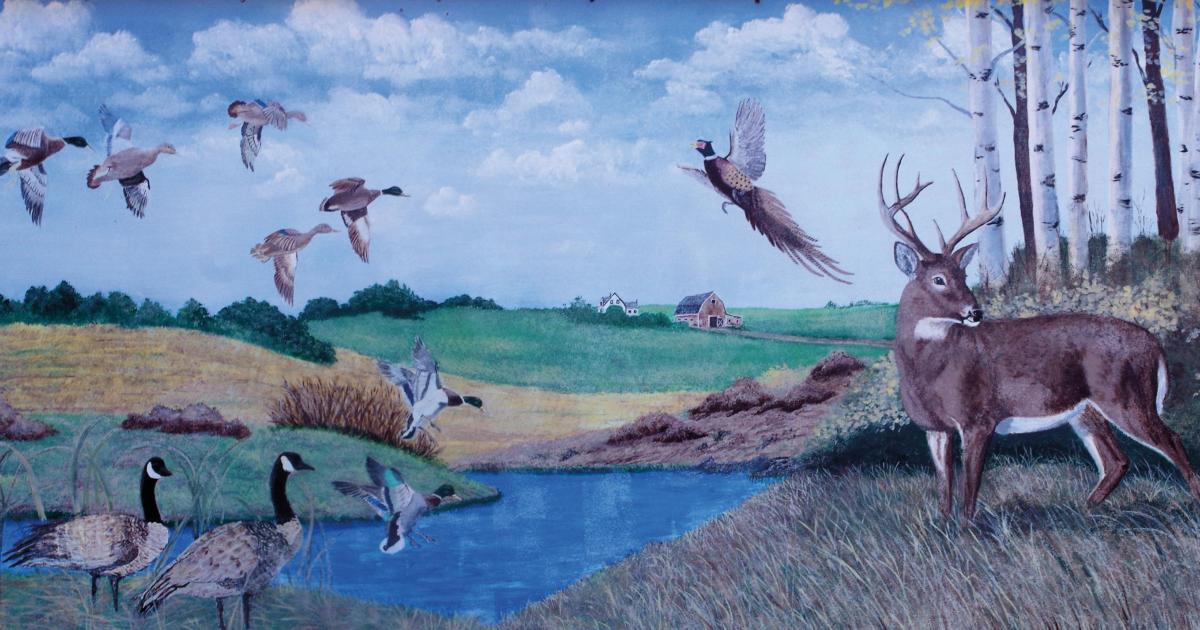
One of his favorite dishes? A sirloin steak, potatoes and gravy. As a sportsman, he was also fond of all types of game, especially quail and venison. And, he had an affinity for his mother’s cooking. Relatable, right?

Cally Peterson

I don’t remember ever watching my mother, grandmothers or great-grandmothers (how lucky am I to have memories of each!) use pressure cookers. I don’t have a lived traumatic pressure-cooking experience. Yet still, I am downright terrified of pressure cookers!

Why?

I hypothesize we suffer from the generational trauma of pressure cookers. Although I never directly experienced a traumatic pressure-cooker explosion, it’s possible the fear has been passed down from one generation of my family to the next.

Bruns family

Beyond supporting North Dakota’s economy and feeding the world, farming and ranching is a lifestyle – and livelihood. It is a legacy built on generations of hard work, sacrifice and success.

To protect this legacy and family farms and ranches around the state, North Dakota State University (NDSU) Extension, in partnership with North Dakota Farmers Union (NDFU), has developed succession planning workshops to help families transition operations to the next generation.

tarrif

This year, the United States has used tariffs in unprecedented ways.

In an effort to incentivize producers and consumers to manufacture and buy products in the United States – among other goals related to political negotiations and curbing the drug trade – the United States has implemented sweeping tariffs around the globe. Some target entire countries instead of specific commodities, from as low as 10% to as high as 50%.
What’s the point of tariffs? How are North Dakotans affected?