
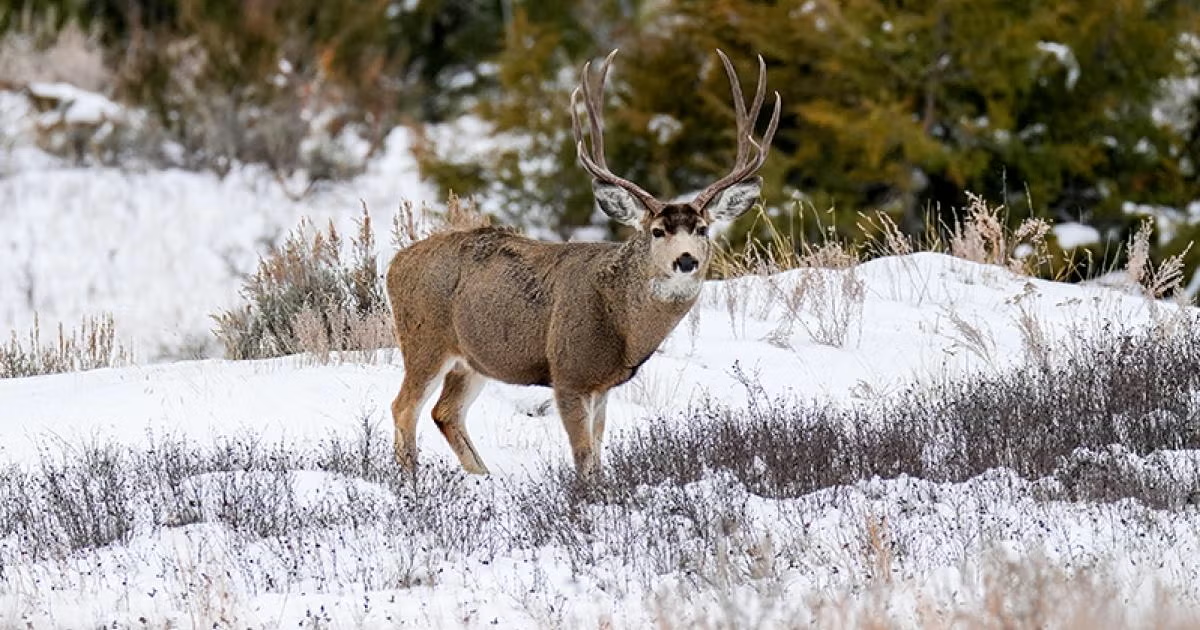
There is a lot to be excited about for North Dakota’s upcoming hunting season. Waterfowl and upland game hunting prospects look excellent, while moose, elk and bighorn sheep populations remain at or near record levels. And mule deer, white-tailed deer and pronghorn populations continue to recover following the devastating winter of 2022-23 and a staggering epizootic hemorrhagic disease outbreak in 2021.
What follows is a quick look into the hunting opportunities in North Dakota this fall.
Pheasants
Results of spring’s crowing count survey showed higher numbers of breeding roosters throughout the entire pheasant range. The number of roosters heard calling was up anywhere from 4% to 41% throughout the state’s good pheasant range.
Cover for nesting hens was above average in spring due to excess moisture from the timely fall and spring rains. Habitat was lush and green for early nesting attempts to be successful. However, July was exceptionally dry, and drought conditions were present in far southwestern North Dakota. It is expected conditions during peak hatch were favorable for high chick survival in some parts of the state, but some later hatched birds could have struggled during the dry and hot July.
Wild turkeys
The turkey population in many of our hunting units has been higher than normal the past few years due to increased production in the western half of the state. The state saw below average production on turkeys last summer, so fall numbers were lower in parts of the state and jakes were difficult to find during the spring hunt.
Slightly higher turkey production numbers are expected this year, thanks to favorable spring weather during the nesting season. Early reports from brood surveys show a slight increase in the number of turkey broods on the ground.
Sharp-tailed grouse
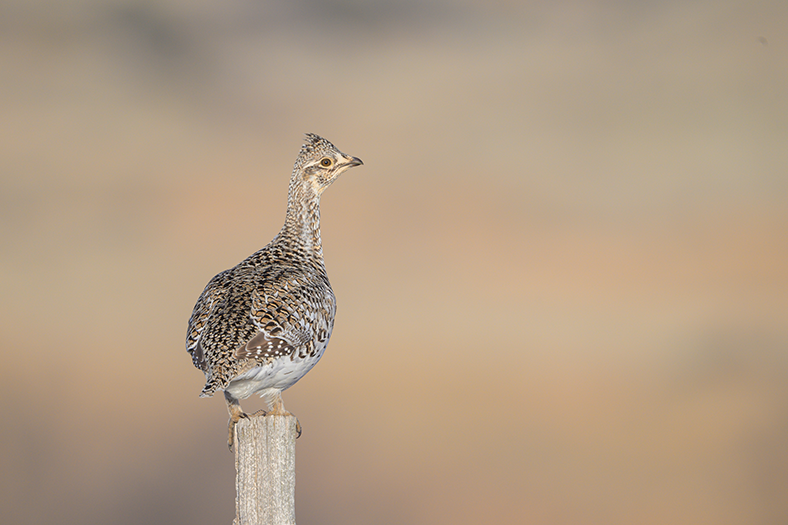
The 2026 sharp-tailed grouse index was unchanged from 2025. Despite poor production in 2025 and reports of low densities, biologists suspect the mild winter facilitated high over-winter survival, yielding an overall stable population from 2025.
While the 2026 brood routes are still ongoing at the time of the writing, preliminary results are showing increases in grouse density and brood sizes, with an average of five chicks per brood.
Unchanged was the abundance of broods observed and age ratio. These numbers are not good enough to expect a rebound in the fall sharp-tailed grouse population, but after the decline in 2025, the trend held steady in 2026 and reproduction improved.
Ducks and geese
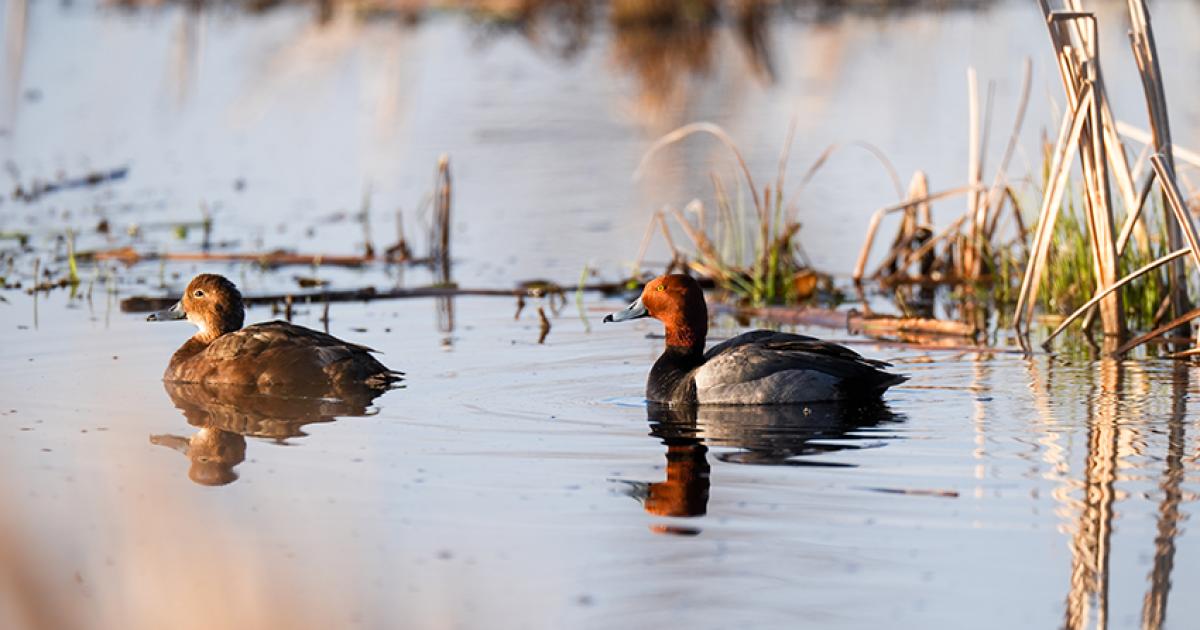
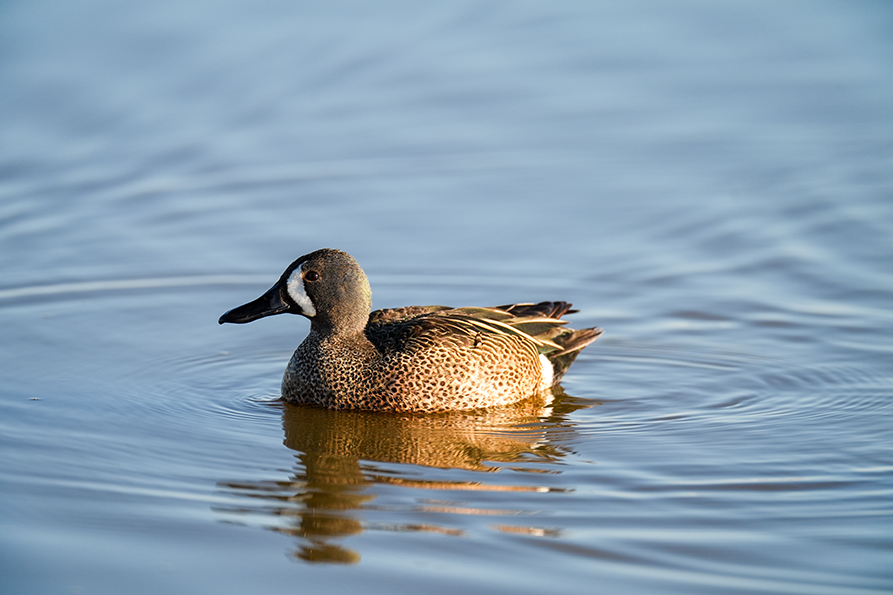
Earlier in spring, North Dakota’s May duck index dipped below the long-term average for the first time since 1993. Fortunately for hunters, that wasn’t the end of the story. Despite fewer breeding ducks this year, the state produced substantially more ducklings than last year, thanks to improved conditions following the May breeding duck survey. Timely precipitation throughout critical duck breeding habitat in the state helped catalyze production.
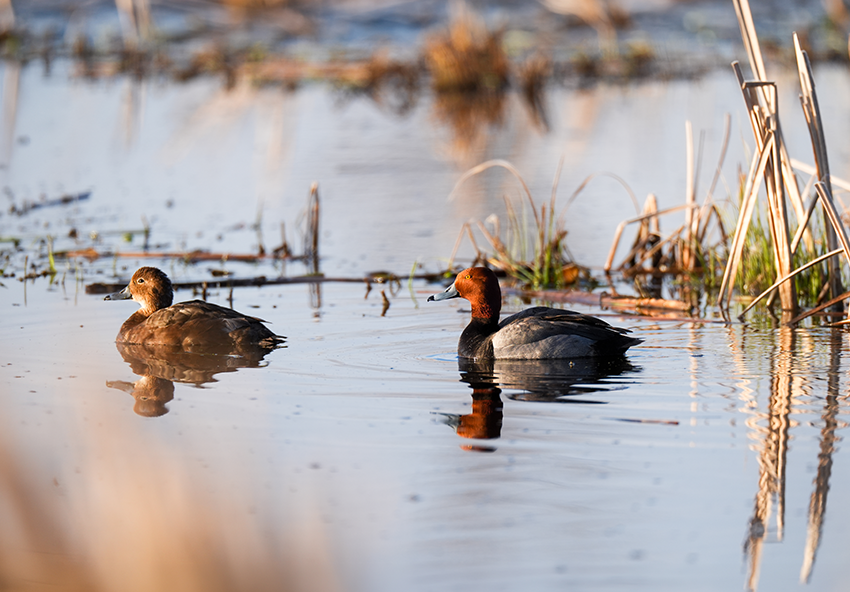
Duck broods counted during the mid-July survey were up 55% from last year, with nearly every major species increasing. Gadwall, pintails and redhead production appeared especially strong, and the redhead brood count was the highest recorded in the survey’s history.
The increased production should be welcome news to waterfowl hunters this year. A larger proportion of young birds entering the fall flight tends to make for better hunting. Although this year’s fall flight estimate was 8.7% higher than last year, it remains about 31% below the 1994–2016 average.
While the department does not formally survey Canada goose production statewide, banding crews and observations from this summer suggested excellent production, especially along the Missouri Coteau. This is good news for Canada goose hunters, especially after a few years of population declines.
Sandhill cranes
The mid-continent population of sandhill cranes remains healthy heading into the fall hunting season. Each spring, the U.S. Fish and Wildlife Service conducts an aerial survey along Nebraska’s central Platte River Valley. Although final 2026 numbers are still pending, preliminary data indicate another strong population estimate.
Over the past decade, this population has shown an upward trend. The three-year average population estimate, which guides regulatory decisions, reached a record high last year at more than 1 million cranes. As a result, North Dakota hunters can expect abundant opportunities to pursue sandhill cranes again in 2026.
White-tailed deer
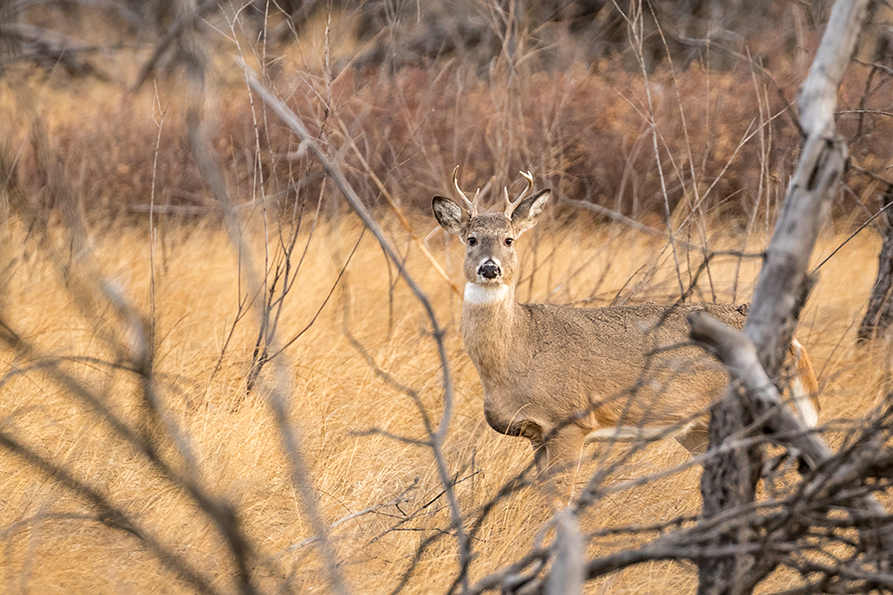
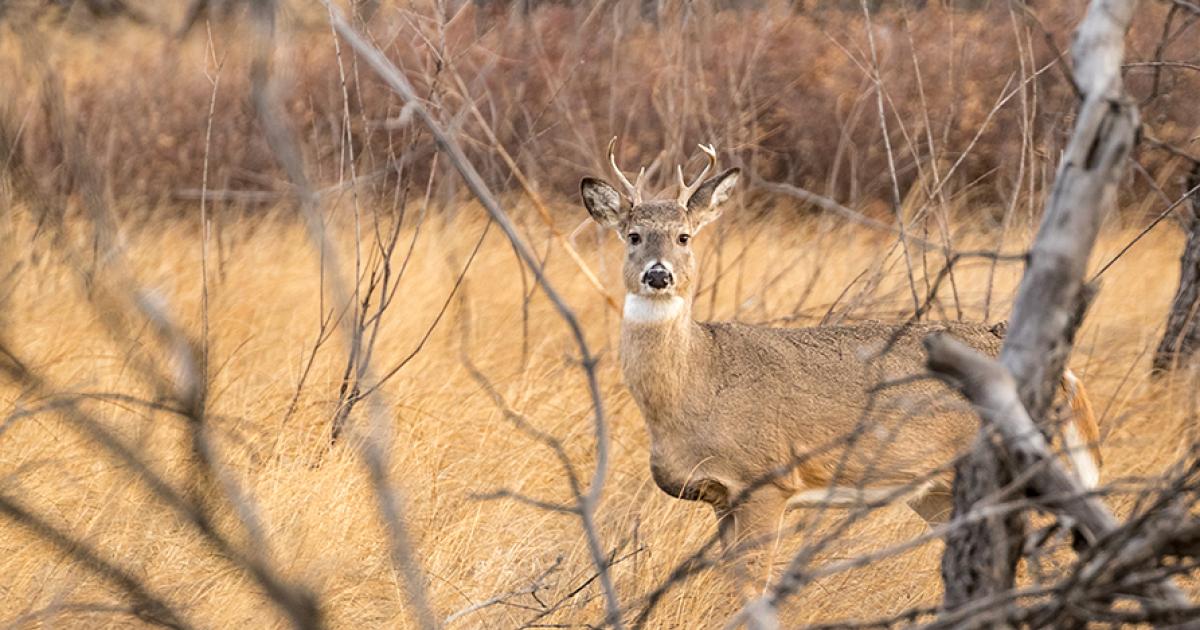
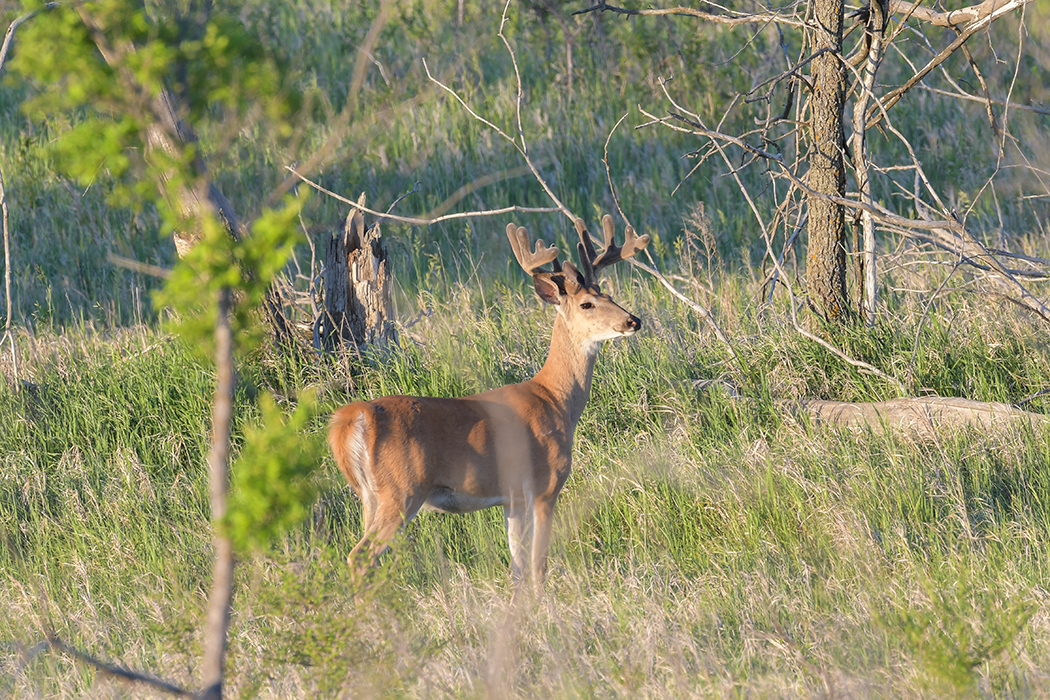
The Game and Fish Department made available 39,100 licenses for the 2026 deer gun hunting season, a decrease of 3,200 from 2025. Many of these reductions came from antlerless licenses in the eastern one-third of the state.
Loss of quality habitat, particularly winter cover and fawning habitat, continues to be a challenge for deer throughout the state. These losses limit carrying capacity, resulting in an overall lower population, and slows the potential for population growth after disturbances such as epizootic hemorrhagic disease outbreaks and severe winters.
Mule deer
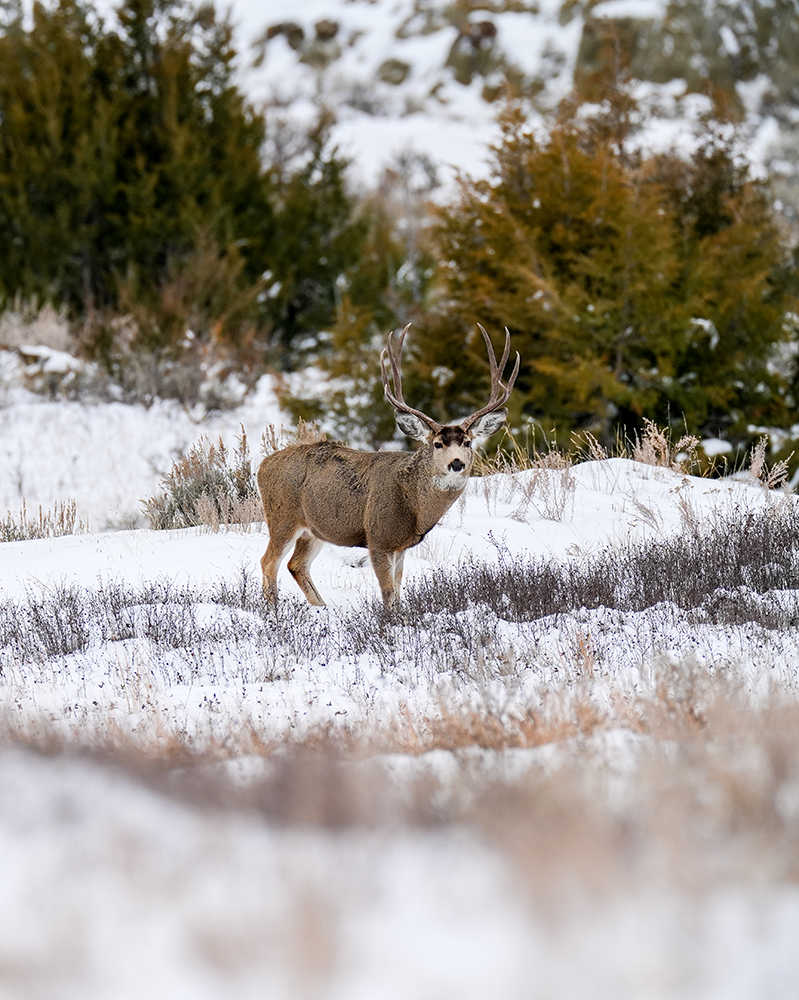
The mule deer population in the Badlands increased due to high over-winter fawn survival despite below average fawn production in 2025. Drought conditions have occurred in the Badlands since 2020, and fawn production has been below long-term average since 2017.
The 2026 spring index was 31% higher than 2025 index and 8% higher than the long-term average. A population increase combined with better widespread precipitation in the western Badlands in summer provides optimism that hunting opportunities may increase in the future.
Pronghorn
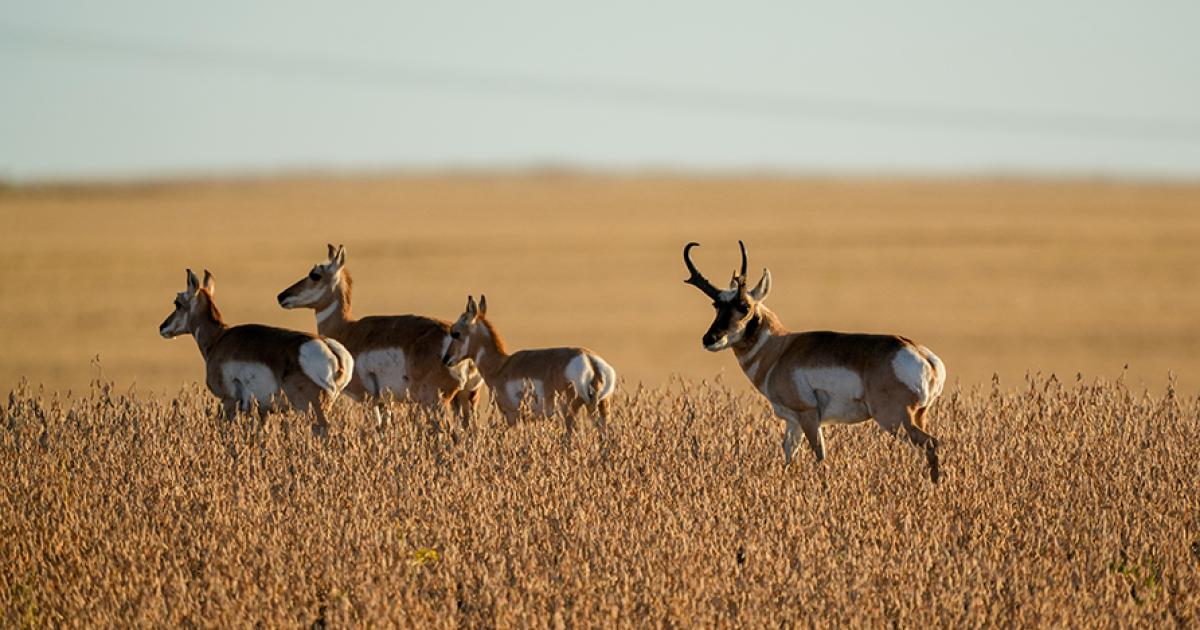
North Dakota hunters will have the same opportunities to hunt pronghorn this fall as 2025.
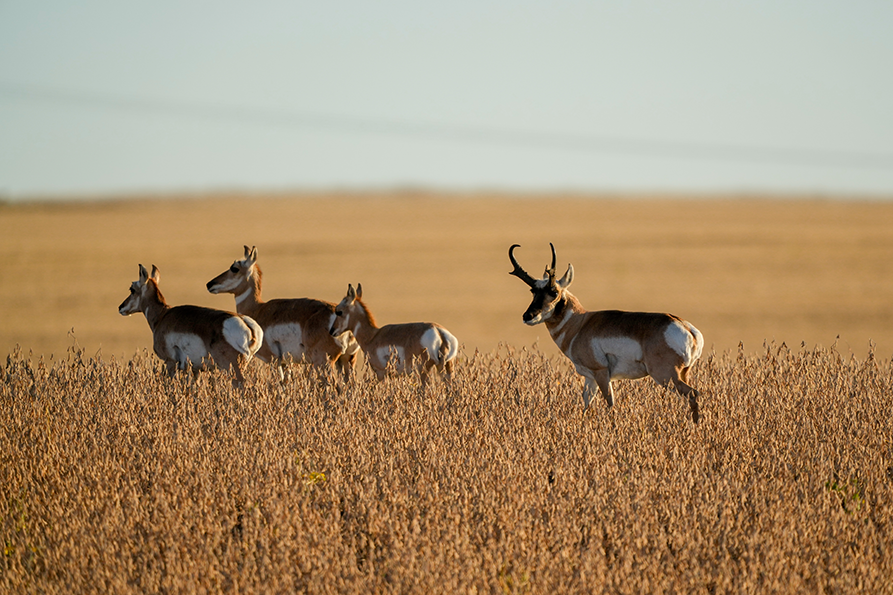
Although fawn production was a record low in 2025, mild winter conditions in 2025-26 resulted in good over-winter survival and a slight population increase in 2026. The population estimate of 8,004 animals was 12% higher than 2025.
Furbearers
Furbearer population trends are a mixed bag going into this coming season. Coyote numbers are still good and should be similar or slightly higher than the previous seasons, but spring surveys indicated they are 32% below their 20-year average. Muskrat numbers will be similar to last year, with the Prairie Pothole Region having the highest numbers, according to spring surveys.