North Dakota lineworkers to electrify rural Guatemala
Courtesy photos
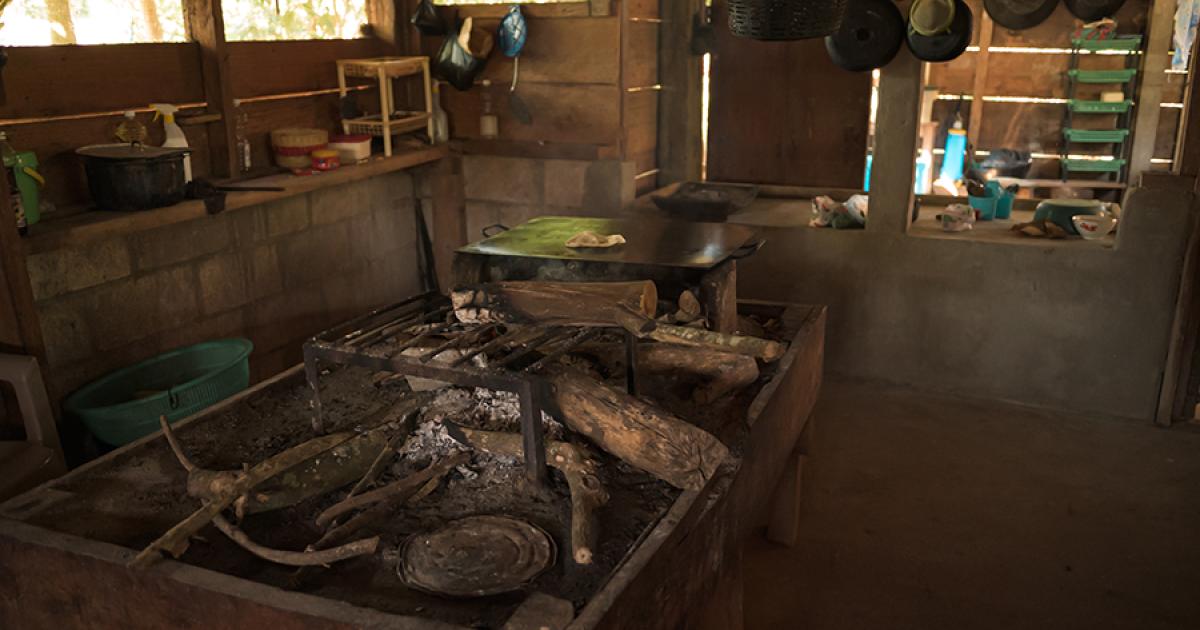
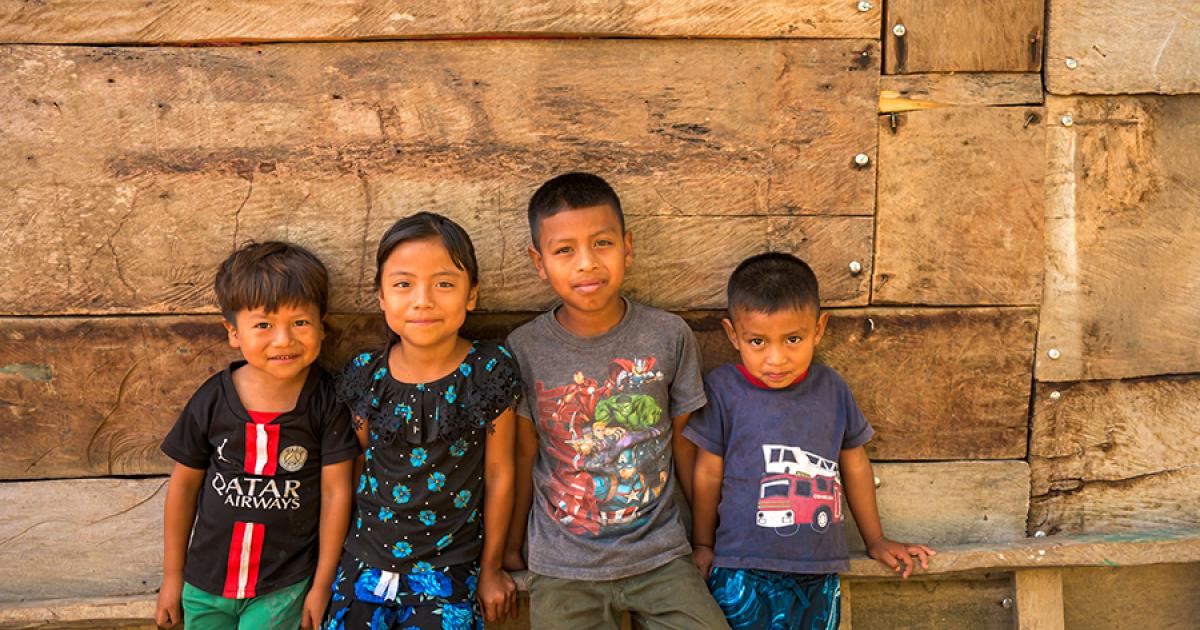
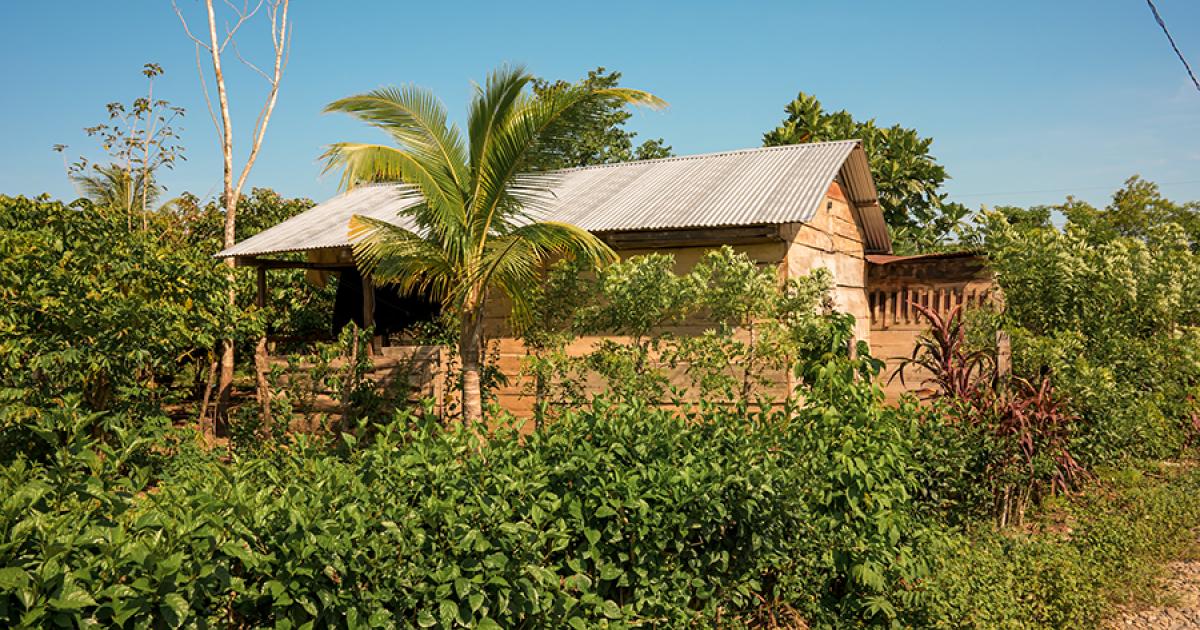
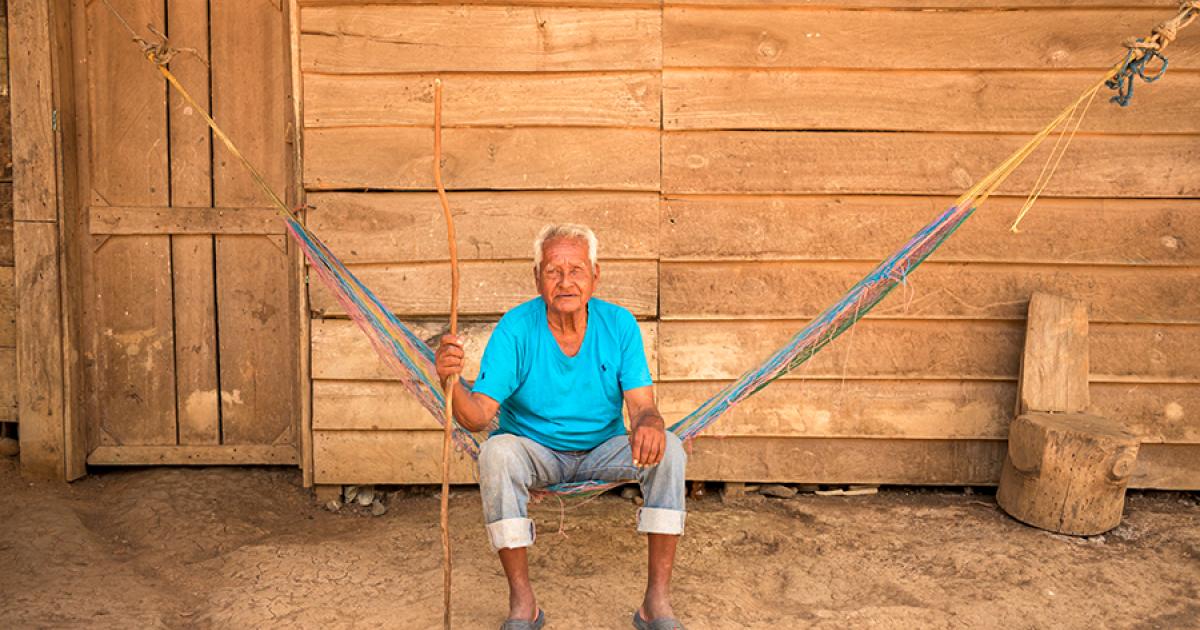
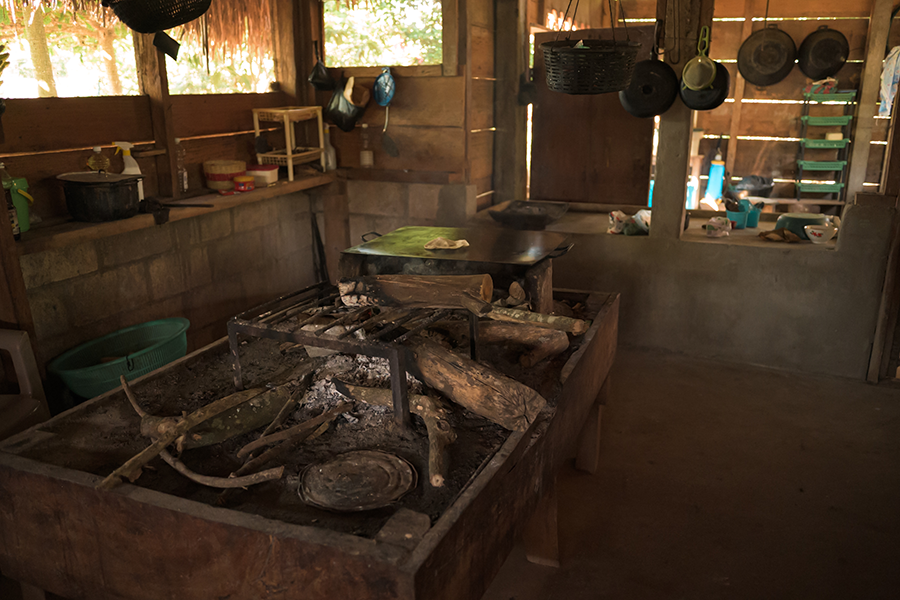
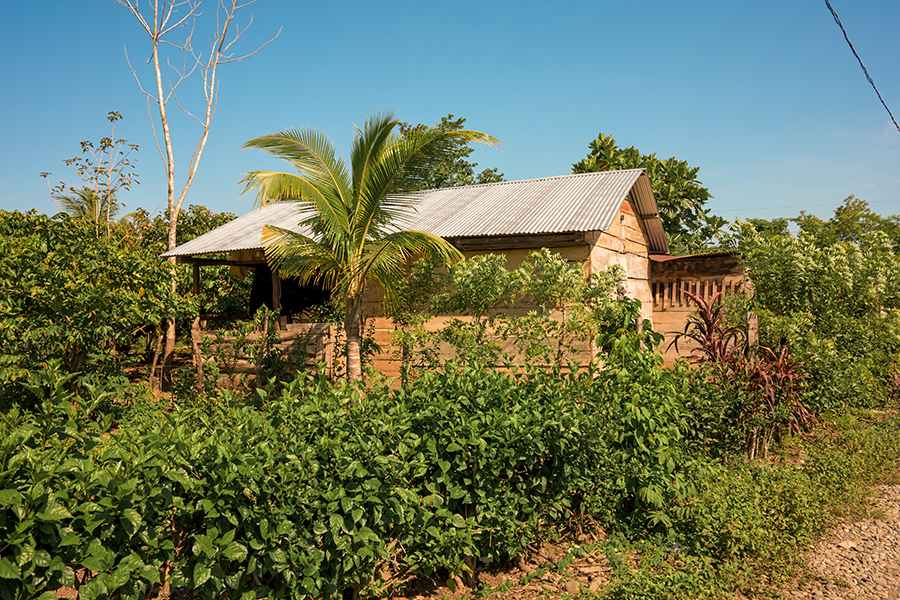
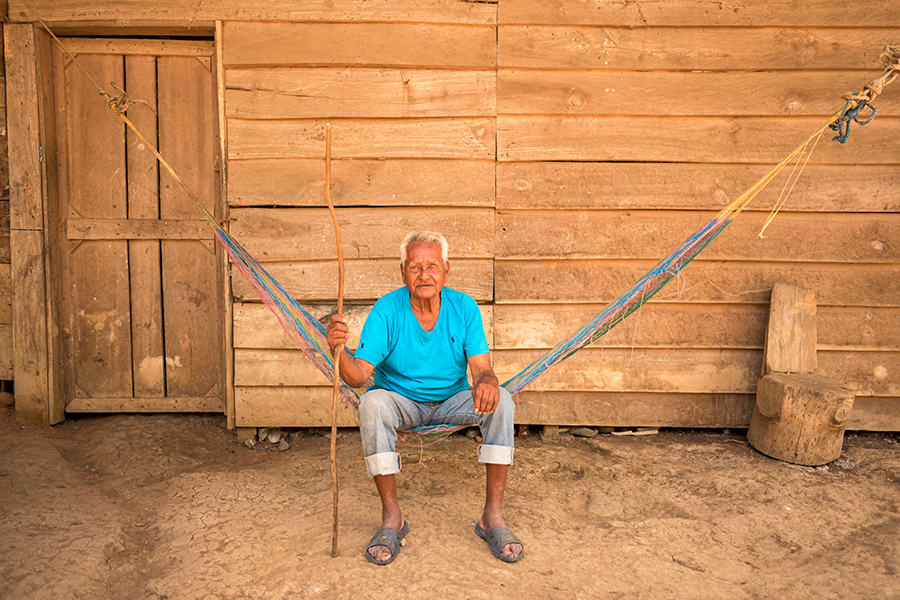
Jeff Holzer scrolls through photos on his phone: a quiet country road, a dirt-floor room, colorful pots hanging above an open-fire kitchen and the concrete blocks of partially constructed walls.
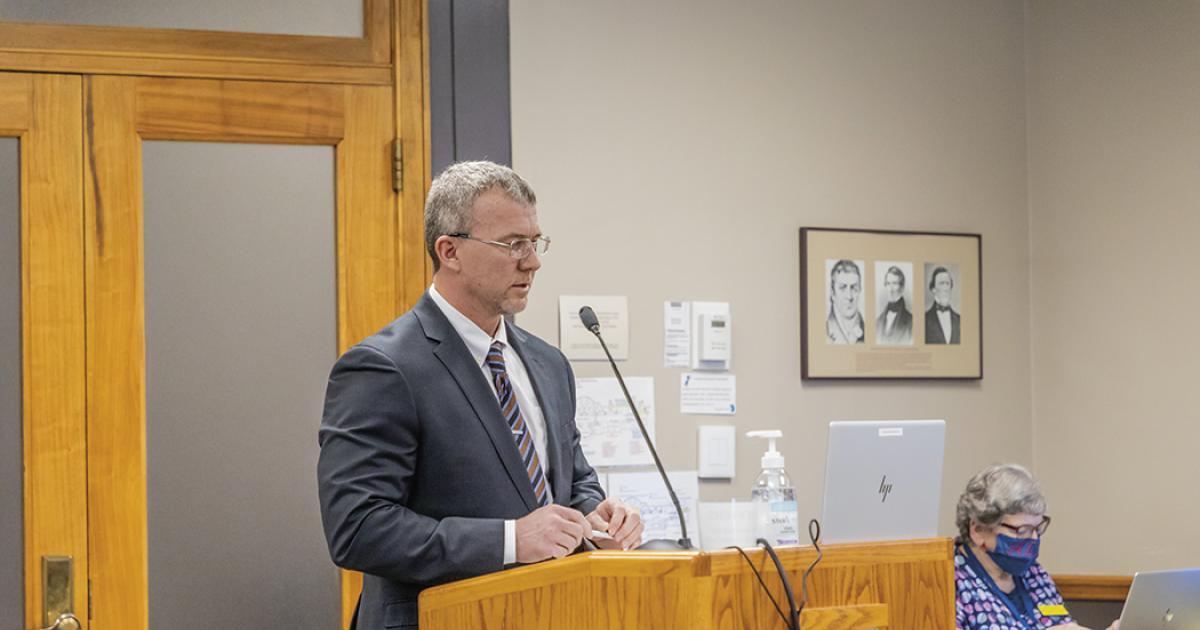
“They’re building. They want a new structure, a new house up. They know power’s comin’,” says Holzer, the operations manager at Capital Electric Cooperative.
In November, Holzer will lead a group of 12 volunteers from North Dakota’s electric cooperatives to bring power to the agricultural community of San Luis Palo Grande in north central Guatemala.
Holzer traveled about 2,780 miles to scout the village in May. The photos he took will help the volunteer lineworkers understand what life is like without electricity. Their project will power homes, businesses and the local school.
“I think it will be life-changing for all of them,” Paul Fitterer, general manager at Capital Electric, says of both the villagers and volunteers.
Join the clean-cooking initiative |
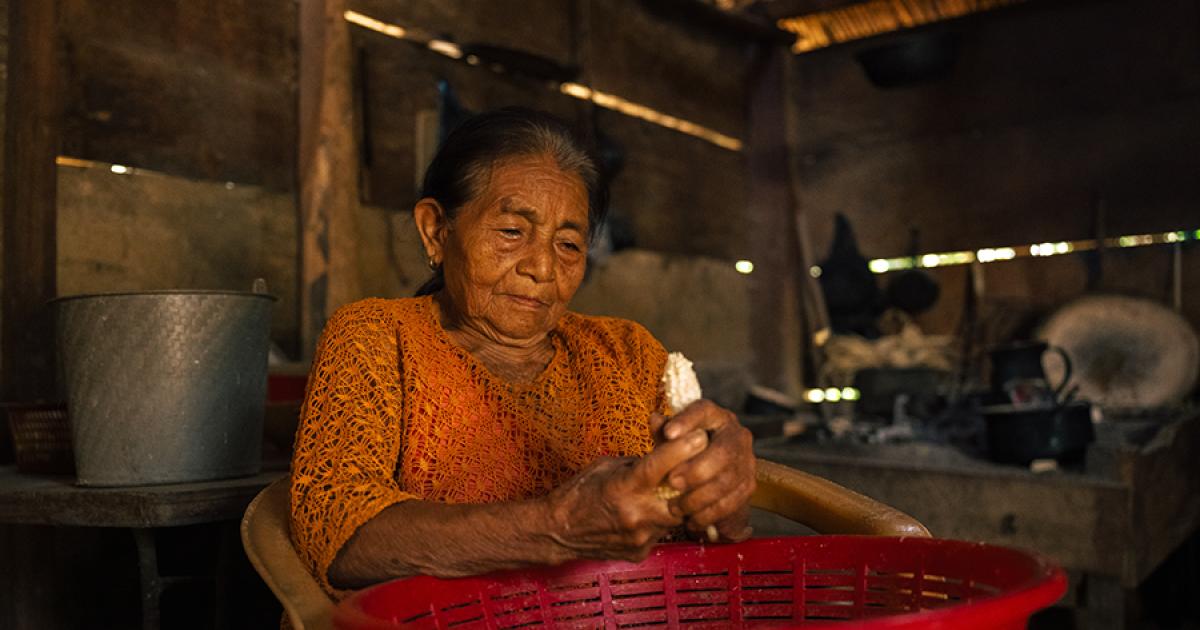
| North Dakotans can help improve the health and quality of life for villagers by donating to help purchase a two-burner electric stove for each kitchen. Currently, women in the village spend all day cooking over an open fire with no ventilation. Toxic smoke fills their lungs, burns their eyes and collects on their walls and ceilings. The risk of respiratory infection and disease is high in these communities, not to mention the risk of severe burns or fire outbreaks. The North Dakota Association of Rural Electric Cooperatives invites readers to donate to this clean-cooking initiative. A $40 donation will purchase one electric stovetop and can have immediate impacts on the health and safety of community members. Click the link or scan the code to learn more and make an online donation.  Or make a check out to NRECA International and mail it to North Dakota Living, P.O. Box 727, Mandan, ND 58554-0727. |
Advancing rural electrification worldwide
The project is part of NRECA International’s mission to develop sustainable, reliable and affordable electricity for rural communities worldwide. By partnering with volunteer groups in various states, its programs are powering communities in Africa, Asia and Latin America. Their cooperative efforts have so far reached more than 48 countries and more than 200 million people.
Participating North Dakota electric cooperatives are recruiting sponsors to help fund the construction of about two-and-a-half miles of power lines, install three transformers and connect 54 homes. Each structure will receive 120-volt service, two outlets and four lightbulbs. While it may be basic, the electrification project will transform daily life in the village.
“North Dakota electric cooperatives believe bringing electricity to the home is one of the most important factors in eliminating poverty, improving the quality of life and promoting democracy,” Fitterer says.
The last village
Villagers in San Luis Palo Grande have been watching for months as nearby communities have benefited from similar electrification projects by other volunteer groups from electric cooperatives in North Carolina, Arkansas and Texas. Word has traveled up the road of what will be possible with low-cost, reliable power. The North Dakota project is the last step in an ongoing effort to connect communities along the road.
“Everybody’s hurrying up because if they miss the boat, they’re not going to get power,” says Holzer, who is coordinating the trip.
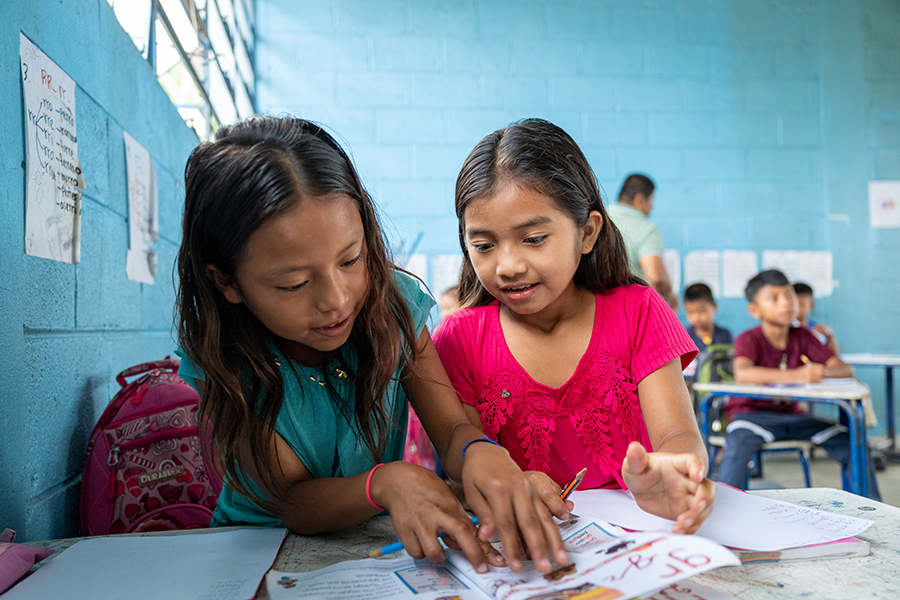
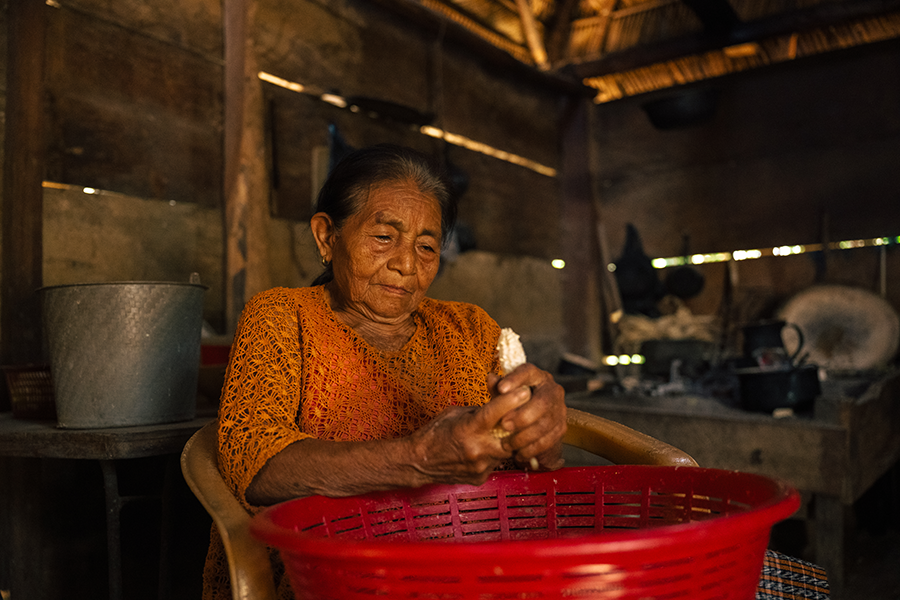
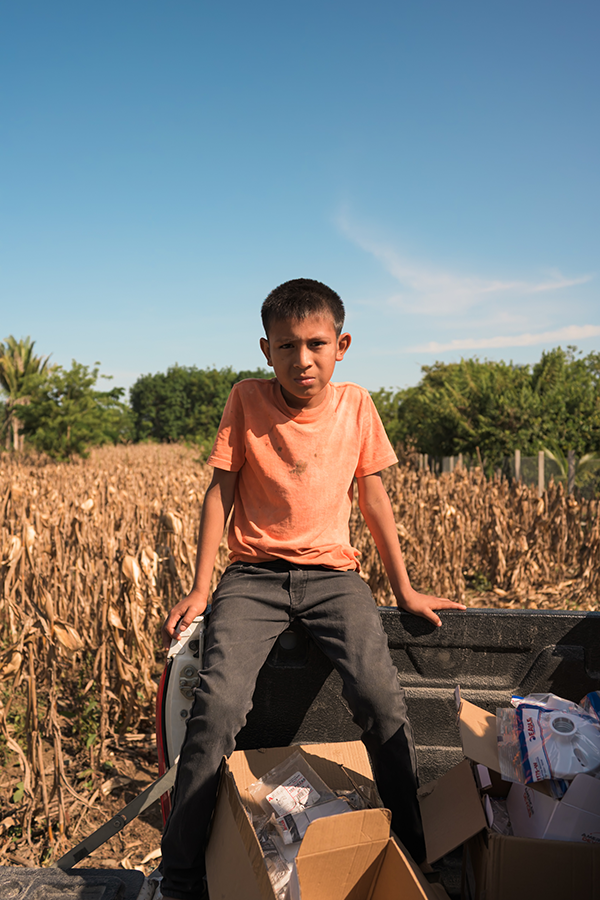
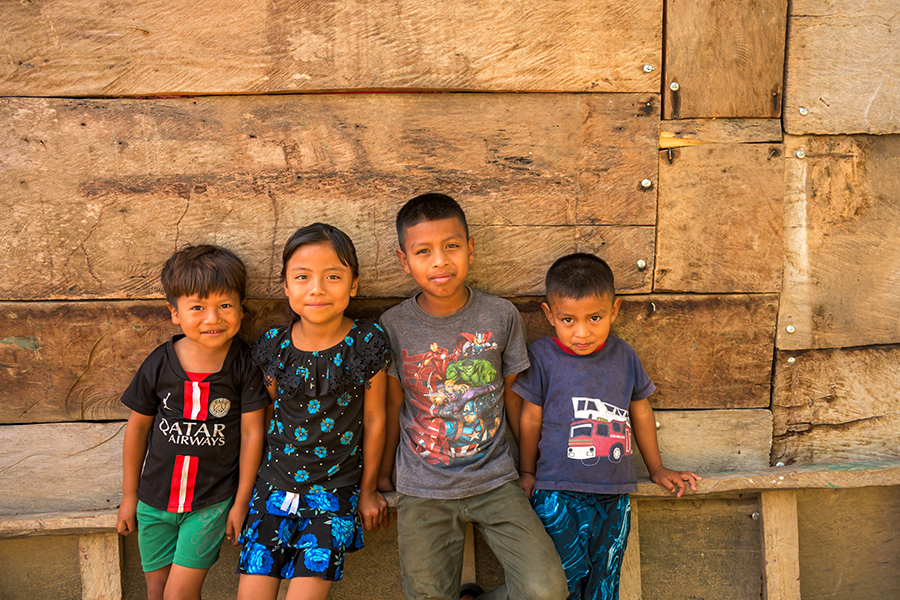
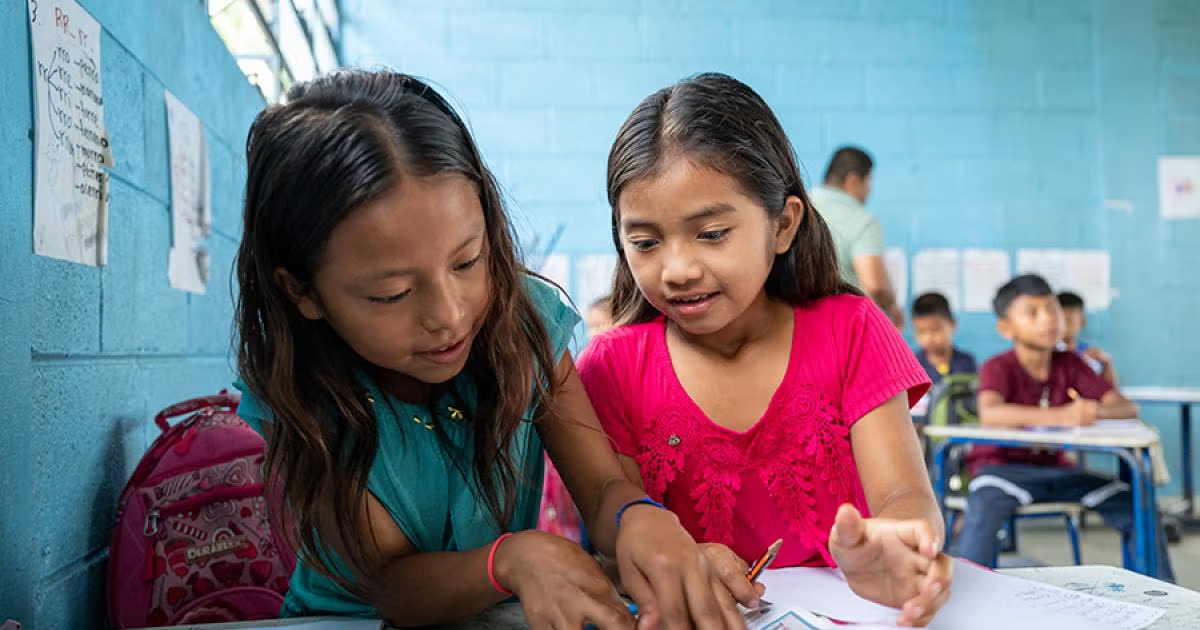
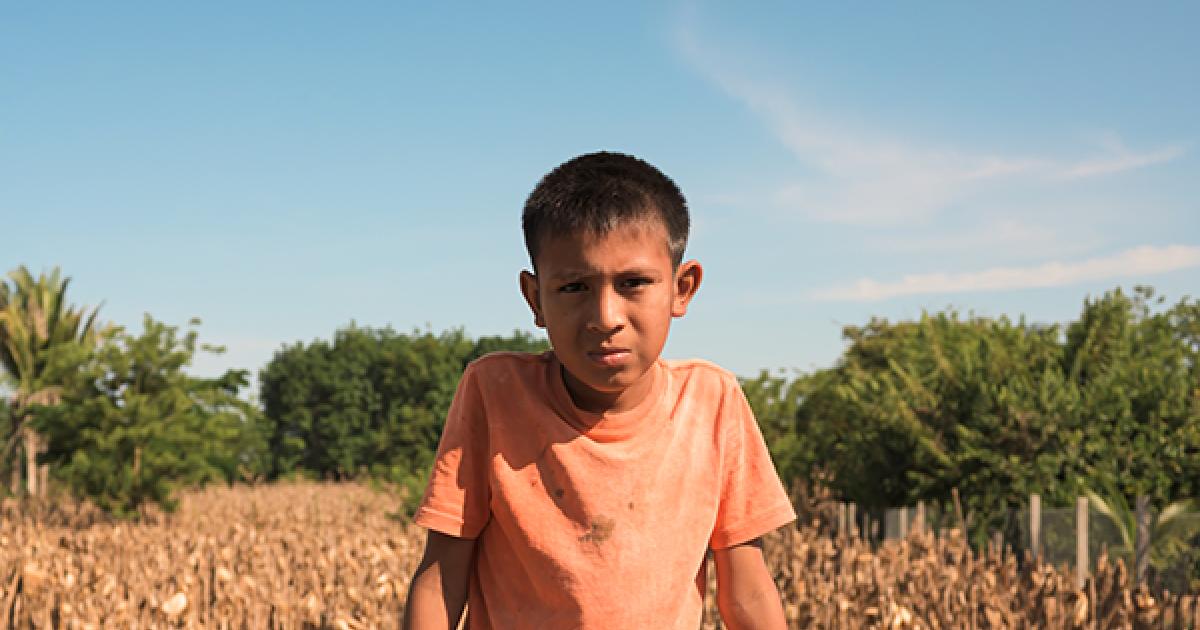
Residents there make a living in agriculture by growing coffee, tea, cacao, pepper and cardamom, among other crops. Women often spend all day cooking over an open fire, a practice that can be dangerous from both the smoke and the flames. Children attend a local school a couple hours a day to learn the basics of reading and writing.
There are no refrigerators to keep food fresh, no reliable communication system and no fans to provide relief from the heat and humidity. Some homes may have a fuel generator or battery-operated devices, but these are expensive, dirty and difficult to maintain in such a remote part of the country.
A mission close to our roots
This lifestyle is a distant memory for those North Dakotans whose farmsteads didn’t receive power until the 1930s and ’40s. Power came through the formation of electric cooperatives and funding made available through low-interest loans from the Rural Electrification Administration formed by the passage of the Rural Electrification Act of 1935.
“Like our forefathers that homesteaded across the country, electricity wasn’t available. Water had to be pulled up by hand, grains were ground by hand, women cooked over a fire and there was no light at night other than a candle or lantern,” Fitterer says. “Life wasn’t easy.”
When rural America was electrified, communities turned those efficiencies into stronger productivity, higher incomes and more fulfilled lifestyles. Similarly, NRECA International has revisited other Guatemalan villages that have benefited from these projects to find they have grown their businesses, become more connected to the outside world and reduced the physical toll of manual labor.
Brightening Horizons
NRECA International works with local partners to ensure the newly built lines will receive adequate electric generation, distribution and maintenance. After the project is complete, the local municipal electric utility will take over. Residents will pay monthly electric bills at a fraction of the cost they currently spend on candles, expensive alternative fuel sources and batteries. Before NRECA International decides to take on a project, it studies whether the community can sustain the system long-term.
The North Dakota lineworkers will share their experience and knowledge with local utility workers, as they work side-by-side to power homes. Without bucket trucks or power equipment on site, the entire project must be done by hand. The effort will require a team effort, a little creativity and a heart for others. But when the lights finally come on, it will illuminate the enduring impact of cooperation.
“Our lineworkers in the state have a pretty good sense of helping the community. It wasn’t hard to find volunteers,” Holzer says. “It really wasn’t.”
North Dakota Living will travel with the volunteers to share the stories and impact of this Brightening Horizons project throughout the winter. Follow the journey in future issues of North Dakota Living and on social media at facebook.com/northdakotaliving.
___
Hope Sisk is managing editor of North Dakota Living. She can be reached at hsisk@ndarec.com.
Cooperatives behind the project
• Burke-Divide Electric Cooperative
• Capital Electric Cooperative
• McLean Electric Cooperative
• Minnkota Power Cooperative
• Mor-Gran-Sou Electric Cooperative
• Mountrail-Williams Electric Cooperative
• Nodak Electric Cooperative
• North Central Electric Cooperative
• Roughrider Electric Cooperative
• Sheridan Electric Cooperative