Election 2026

As part of its commitment to informing voters, North Dakota Living introduces readers to candidates seeking statewide office.

For the 2026 general election, North Dakota Living asked candidates in certain statewide races, including the U.S. House of Representatives and North Dakota Public Service Commission, to respond to two questions.

Besides the statewide races highlighted in this issue, voters will see legislative, county and local races on their ballots Nov. 3.

North Dakota Living, the North Dakota Association of Rural Electric Cooperatives and North Dakota's electric cooperatives do not endorse or recommend candidates for public office.

We thank the candidates for taking the time to participate and share their perspectives. Readers are encouraged to visit the North Dakota secretary of state's website for a complete list of candidates, polling place information and other election resources. Visit vote.nd.gov.

Representatives in Congress (2-year terms)

Reliable and affordable electricity is essential for economic growth, agriculture, healthcare, education and quality of life in rural America. What federal policies would you support to ensure rural communities have access to affordable energy while maintaining a reliable electric grid for future generations?
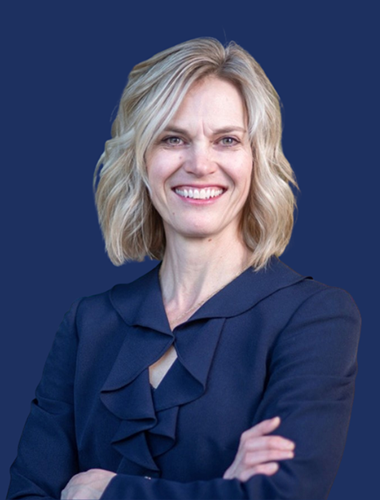
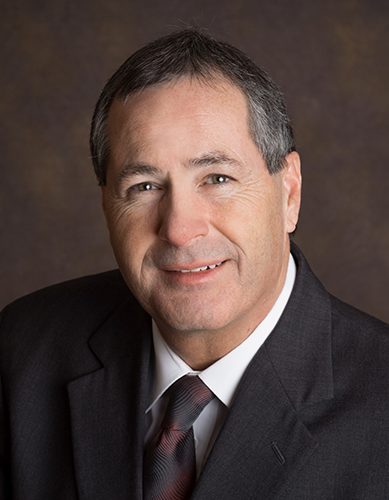
Julie Fedorchak

Julie Fedorchak
Republican
julie4nd.com

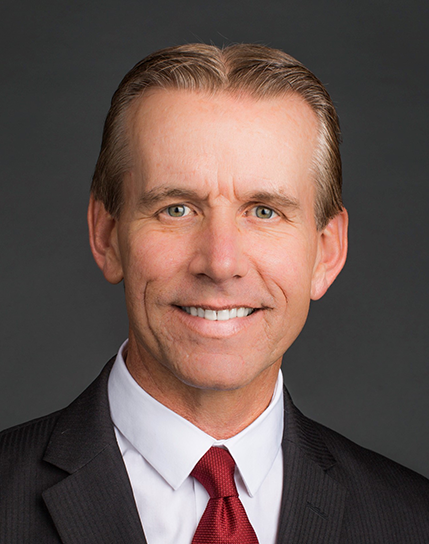
Julie Fedorchak, the first freshman in 14 years on the U.S. House Energy and Commerce Committee, was elected with North Dakota’s highest vote total. Since taking office, she has met with thousands of North Dakotans, championed key industries, advanced conservative priorities and become one of Congress’s most productive freshmen, with four bills signed into law.


I support a smart, aggressive energy strategy that strengthens grid reliability and requires those who cause increased investments to pay for them. I helped streamline permitting for new infrastructure, including transmission lines, natural gas pipelines, nuclear energy, coal, hydropower and energy storage projects. I led legislation to overturn President Joe Biden’s radical North Dakota land use plan, a backdoor effort to stifle energy development in our state. Some 99% of federal coal leasing and half of oil and gas leasing would have been closed, costing our state 12,000 jobs and $34 million in annual revenue.

Congress is working to reform federal energy tax incentives to reward reliability and affordability, instead of disproportionately subsidizing intermittent energy sources, and we included my bill to eliminate tax subsidies for wind and solar in last year’s reconciliation package. We must also modernize our grid, invest in domestic manufacturing of critical minerals and grid equipment, and invest in emerging technologies like small modular nuclear reactors and battery storage.

By expanding American energy production, strengthening the electric grid, and promoting fair markets that value dependable, dispatchable power and require cost-causers to pay their way, we can keep energy affordable for rural families while maintaining a reliable electric system for future generations.

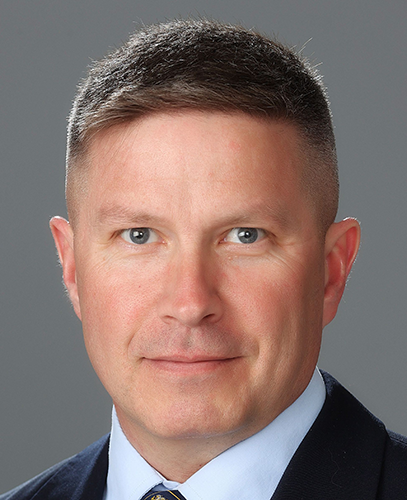
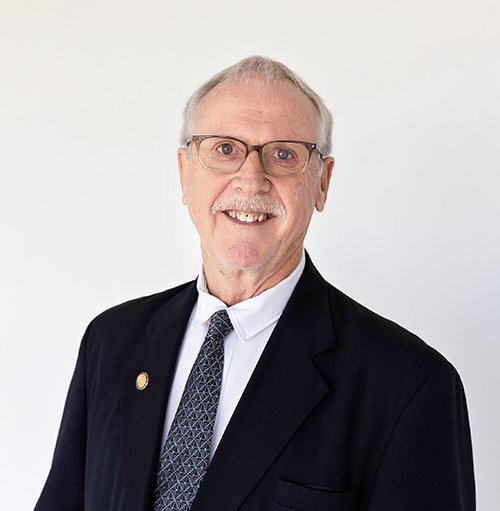
Trygve Hammer

Trygve Hammer
Democratic-NPL
hammerfornd.com

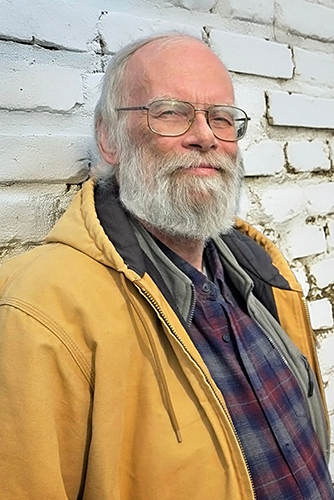
Trygve Hammer is a U.S. Navy and Marine Corps combat veteran, a former public school teacher, freight rail conductor and oil field roughneck who grew up in Velva. He lives by the ethos, “Officers eat last,” and is ready to serve as your next congressman, putting North Dakotans’ needs first.


Rural electric cooperatives built this country’s grid one line at a time, and they still know rural North Dakota better than any regulator in Washington, D.C. My starting principle: Federal policy should back the co-op model, not override it, including cheap capital through the Rural Utilities Service, streamlined permitting for transmission upgrades and real investment in grid hardening against extreme weather, which costs us more every year in outages and repair bills.

On generation, I don’t think North Dakota should have to choose a side in a culture war. We have coal, oil and gas, wind, solar and a growing biofuels sector. All-of-the-above isn’t just a slogan here. What actually threatens reliability is Congress ceding energy policy to executive whiplash. Tariffs and permitting rules that flip by tweet make it impossible for a co-op or a utility to plan a 10-year capital investment. That's the same Article I problem I talk about everywhere else: Energy policy should be legislated, debated and stable, not run by decree.

And baseload matters. A grid that can't handle a January cold snap isn’t “clean” or “efficient.” It’s broken. Affordable, reliable power for a farm, a clinic or a school isn’t partisan. It's the job.


Public Service Commissioner (6-year terms)

North Dakota's electric cooperatives are owned and governed by the consumers they serve, while the Public Service Commission is charged with protecting consumers through its oversight of investor-owned utilities and review of major infrastructure projects. As North Dakota seeks to attract new industries, support energy development and expand critical infrastructure, how would you balance the commission's consumer protection responsibilities with the need to support economic growth and investment?
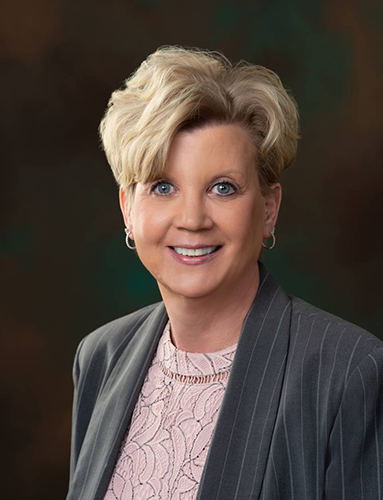
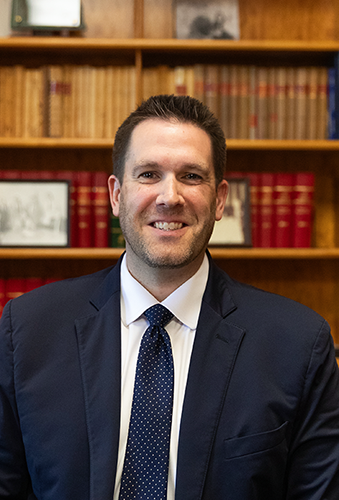
Sheri Haugen-Hoffart

Sheri Haugen-Hoffart
Republican
sherifornd.com

Sheri Haugen-Hoffart is a lifelong North Dakotan, third-generation landowner and N.D. Public Service Commissioner. She was the first woman to chair both Capital Electric Cooperative and Central Power Electric Cooperative and is known for her work in energy policy, cybersecurity and public service. She and her husband, Richard, live in Bismarck.


Having served on two electric cooperative boards, I understand firsthand the value of member-owned utilities and the responsibility they carry to their consumer-owners. North Dakota’s electric cooperatives operate with local governance and accountability, while the Public Service Commission is charged with protecting consumers through oversight of investor-owned utilities and rigorous review of major infrastructure projects.

As North Dakota seeks to attract new industries, advance energy development and expand critical infrastructure, balancing consumer protection with economic growth requires a steady, principled approach. The commission must ensure projects are safe, reliable and in the public interest, while also providing the regulatory clarity and predictability that encourage investment.

This balance is achieved by applying consistent standards, requiring transparency, and evaluating the long-term impacts of development on rates, reliability and communities. By doing so, we support responsible growth that strengthens our energy system and preserves affordability for all North Dakotans.

The commission’s commitment is to uphold strong consumer protections while fostering the environment necessary for innovation and economic opportunity to thrive.

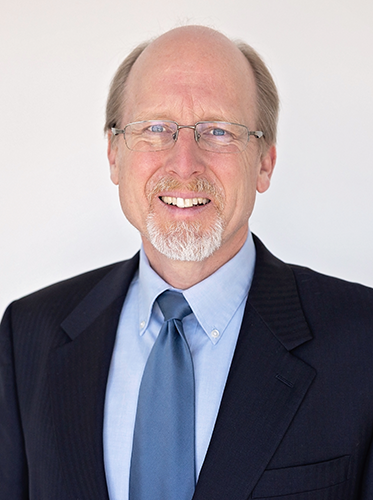
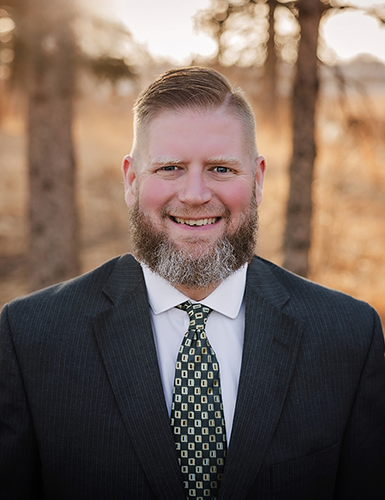
John Pederson

John Pederson
Democratic-NPL
demnpl.com/pederson4psc

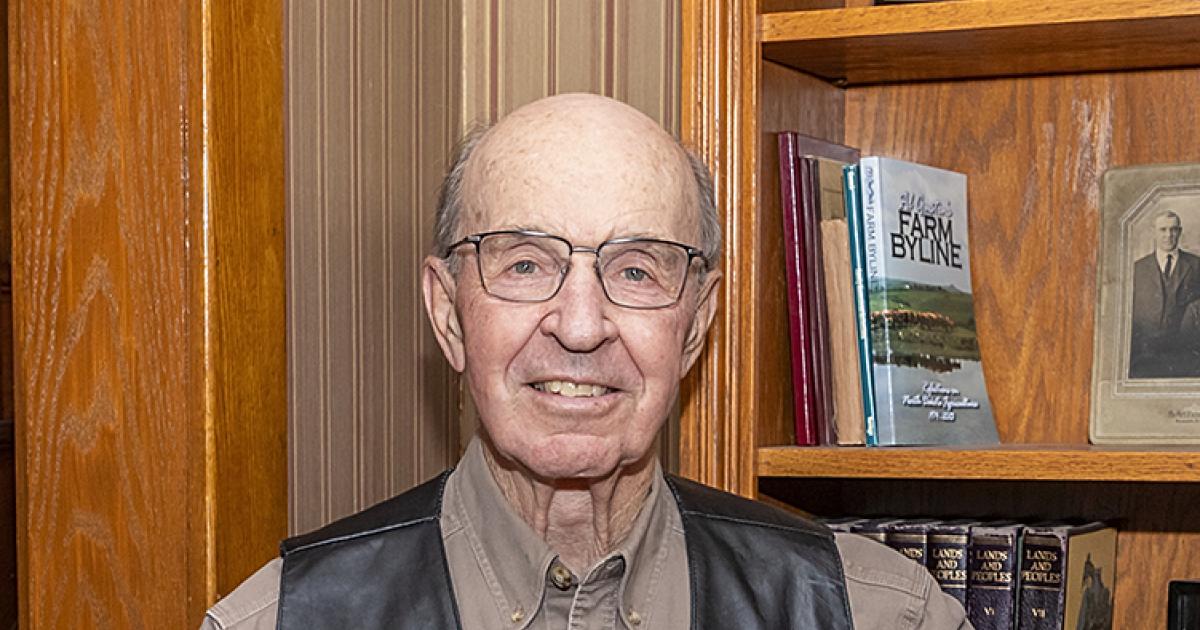
John Pederson of Mayville is a candidate for the N.D. Public Service Commission. He has been a history and economics professor at Mayville State University since 1998. He has served in numerous leadership positions, including the national governing body of the Evangelical Lutheran Church in America. He and his wife have two children.


North Dakota’s electric cooperatives succeed because the people they serve have a direct voice in how they are run, providing local accountability.

For investor-owned utilities, however, their shareholders come first. Therefore, the Public Service Commission (PSC) plays a critical role in ensuring consumers are protected. Commissioners who lose sight of that and start treating every major project as something to approve rather than something to scrutinize aren't doing their jobs. I will provide oversight that serves the public rather than the developer.

We are in the midst of a data center boom, and our decisions now will determine whether this boom benefits our communities or comes at their expense. With that growth comes complexity. Ratepayers who had no say in a decision may end up carrying costs they didn't create. Communities may end up with infrastructure in their backyard without local input. Good oversight means thinking across those lines, making sure the PSC takes a long-term view, coordinates with other decision-making bodies across jurisdictions, has thoughtful planning and maintains a commitment to transparency. Most importantly, it means ensuring all stakeholders have a voice.  Whether you’re a cooperative member or an investor-owned utility customer, those principles should guide every decision.


Public Service Commissioner (6-year terms)

North Dakota's electric cooperatives are owned and governed by the consumers they serve, while the Public Service Commission is charged with protecting consumers through its oversight of investor-owned utilities and review of major infrastructure projects. As North Dakota seeks to attract new industries, support energy development and expand critical infrastructure, how would you balance the commission's consumer protection responsibilities with the need to support economic growth and investment?
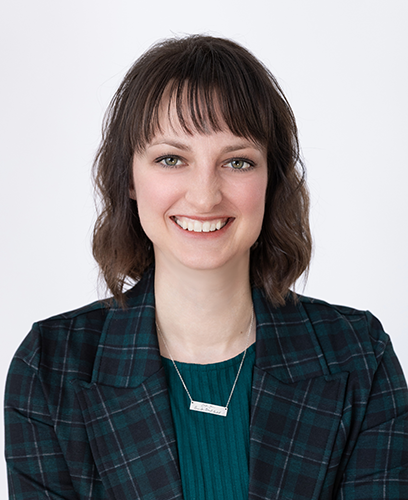
Jill Kringstad

Jill Kringstad
Republican
jillkringstad.com

Jill Kringstad of Bismarck serves on the N.D. Public Service Commission, having been appointed by Gov. Kelly Armstrong in 2025. A certified public accountant, she previously worked for Basin Electric Power Cooperative and served as the PSC's manager of business operations. Jill and her husband, Ben, have three children.


Infrastructure supports our daily lives, the economy of the state and helps create jobs for our families. It is critical this is developed in an orderly way that protects the environment and citizens while balancing the rights of landowners to preserve or profit from their land. I review the unique facts and circumstances of each case, listen to citizen concerns at hearings, and apply the laws and rules set by the Legislature in a fair and impartial manner.

The past decade has brought challenges, but North Dakota has shown infrastructure can be built successfully when companies treat landowners fairly and with respect, engage local communities early and see them as partners in the process, rather than obstacles.

After infrastructure is built, the Public Service Commission (PSC) continues to provide consumer protection through our compliance programs like reclamation of active and abandoned coal mines, gas pipeline safety, railroad safety, and weights and measures.

My father inspired my public service and had a variety of sayings he passed along. One is, “We should leave things better than we found them." I’m running for PSC because I believe I can help guide our state through this period of change. A second saying he passed along is: “Do the right thing…always.” That’s my commitment to voters.

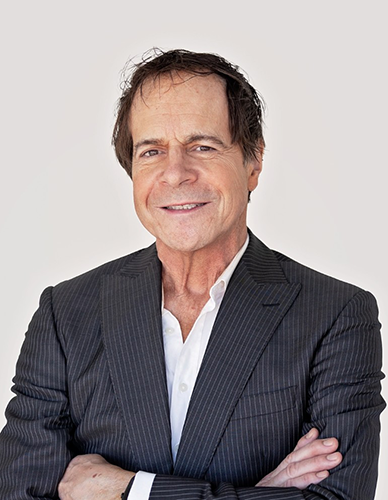
Scot Kelsh

Scot Kelsh
Democratic-NPL
kelshforpsc.com

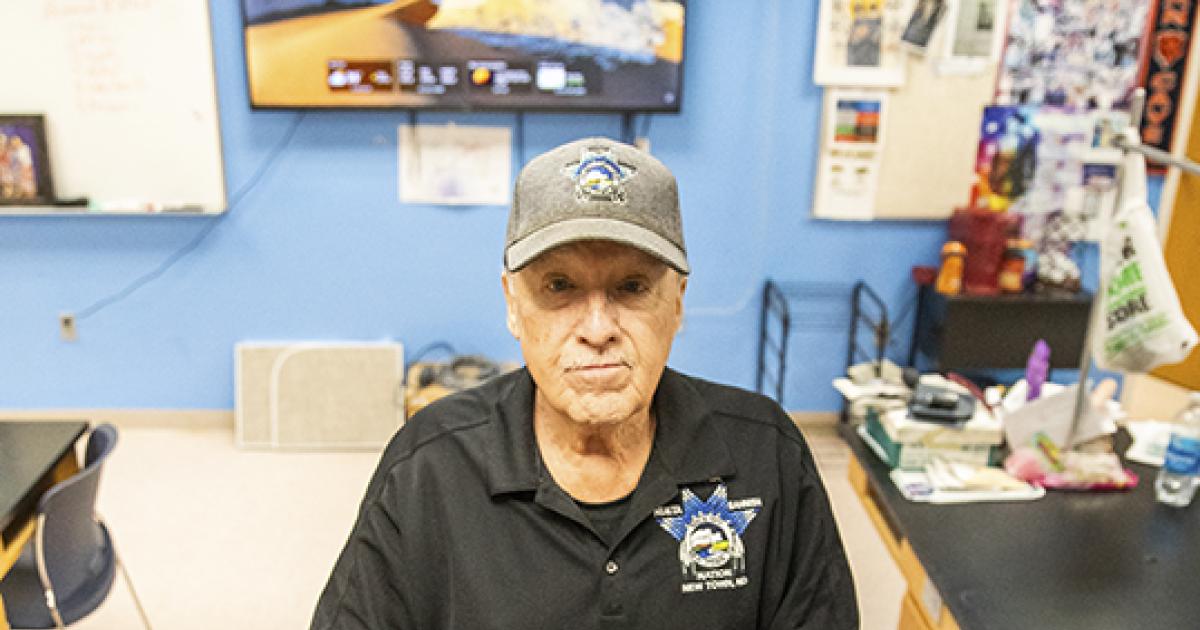
Scot Kelsh of Fargo is a candidate for the N.D. Public Service Commission. A former state representative, he served District 11 in the N.D. House from 1996 to 2014. Kelsh is a retired firefighter and architect. He has four children.


Large industrial development is happening in rural areas and it is coming as a shock to many residents in those areas. I support development of our state’s industrial base, but it needs to be done openly without leaving large swaths of our state’s rural residents in the dark and without a voice in the process. I think this is achievable. If all the stakeholders act in good faith, we can move forward more seamlessly. I am troubled by some of the information that’s been shared with by some landowners who feel they are being ignored. We should never sacrifice the wellbeing of our citizens and ratepayers by withholding information from them, especially when it profoundly affects those citizens.

Again, I support energy development and economic development in our state. It just needs to be done right. And by that, I mean listening to all stakeholders and holding accountable those who aim to exploit our state’s abundant natural resources. We should eliminate nondisclosure agreements between large industrial developers and local governments. Local governments ought to have a voice in the process and that should be done at the beginning.

I am grateful for the North Dakota electric cooperatives’ policies of requiring industrial developers to pay infrastructure costs upfront and protecting their members from sudden rate increases.


On the Ballot

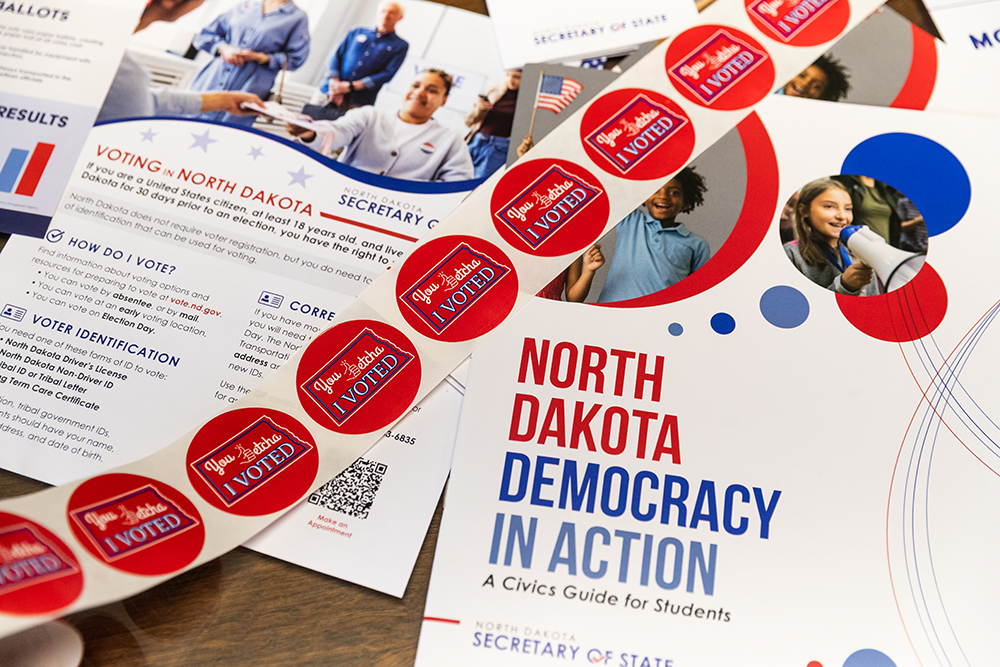
North Dakota voters will elect candidates for several statewide offices during the Nov. 3 general election. Browse these candidate profiles to learn more about those seeking your vote before heading to the polls.
 

Attorney General (4-year terms)
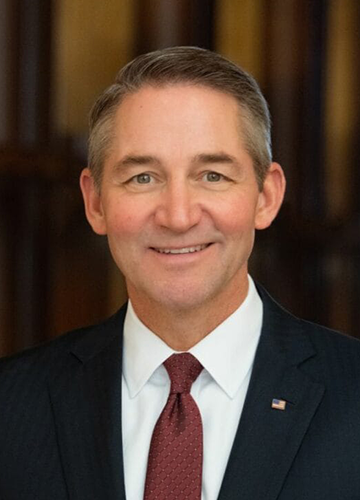
Drew Wrigley

Drew Wrigley
Republican
facebook.com/wrigleyfornd

Timothy Lamb
Timothy Lamb
Democratic-NPL
facebook.com/timothy.c.lamb.7


Agriculture Commissioner (4-year terms)

Doug Goehring

Doug Goehring
Republican
douggoehring.com

Vern Thompson

Vern Thompson
Democratic-NPL
thompson4nd.com


Secretary of State (4-year terms)

Michael Howe
Michael Howe
Republican
howefornd.com
Ryan Braunberger
Ryan Braunberger
Democratic-NPL
facebook.com/rgbforsos


Tax Commissioner (4-year terms)

Brian Kroshus
Brian Kroshus
Republican
briankroshus.com
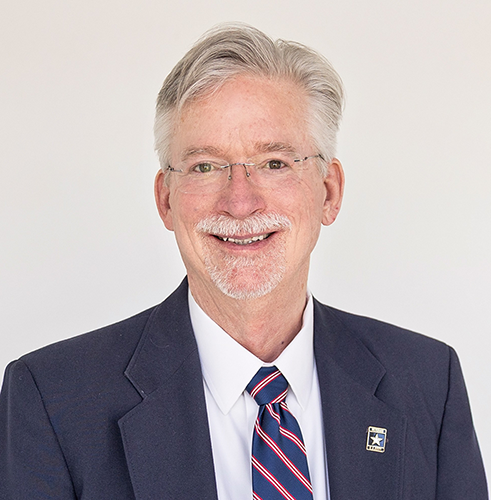
Mark Nelson
Mark Nelson
Democratic-NPL
demnpl.com