
As farmers take to the fields this spring, you’ll likely hear someone refer to “farmers feeding a hungry world.”
In July 1987, I wrote about forecasts of global food shortages. Ten years earlier, in 1977, an international group of scientists predicted an expanding world population would cause a disastrous shortage of food and permanent famine in parts of the world. But a decade later, those forecasts appeared to have been wrong. From 1971 to 1982, world food production rose 25%, China’s harvests rose 40% and India had become self-sufficient. U.S. crop prices fell. The United States and other countries, I wrote, expanded their grain production to serve a world market that did not develop as the experts had predicted.
Still, global hunger has persisted. The United Nations Food and Agriculture Organization (FAO) says around 733 million people faced hunger in 2023, equivalent to one in 11 people globally. If global population and food trends continue, the FAO says, about 580 million people will be chronically undernourished in 2030, half of them in Africa. Futurists ask, “how will the world be able to feed more than 9 billion people by the year 2050?”
But not all futurists. Popular public speaker and blogger Damian Mason thinks it’s a moot point. He says global population will begin to decline in the next decade or two, even as agriculture’s productive capacity is expanding, with more food produced globally than ever before. He says there will never be another China, a market of 2 billion people, with a rising economy and a government anxious to raise the standard of living of its citizens. China, he says, has absorbed a significant share of what otherwise would have been an oversupply of global food production. Mason says the future picture for U.S. farmers is likely to be one of chronic overproduction. Others agree.
But most also agree there will still be hunger. Because eliminating hunger – “feeding a hungry world” – has never been a matter of simply producing more. The challenge is and always has been how to channel our productive capacity to satisfy the hunger.
___
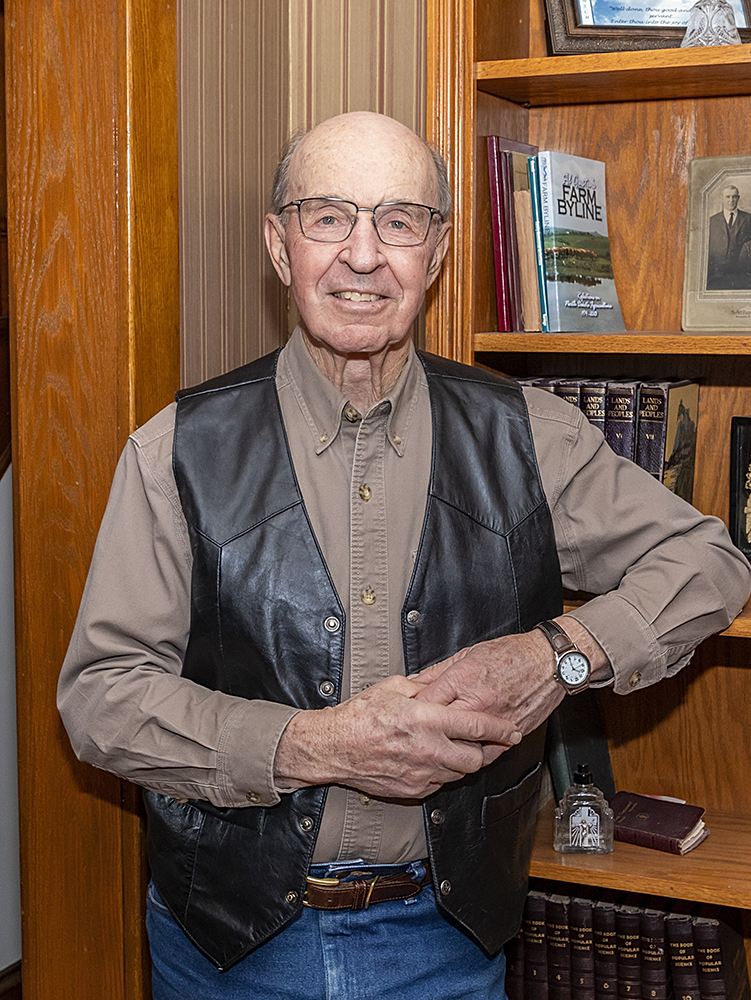
Al Gustin is a retired farm broadcaster, active rancher and a member of Mor-Gran-Sou Electric Cooperative.