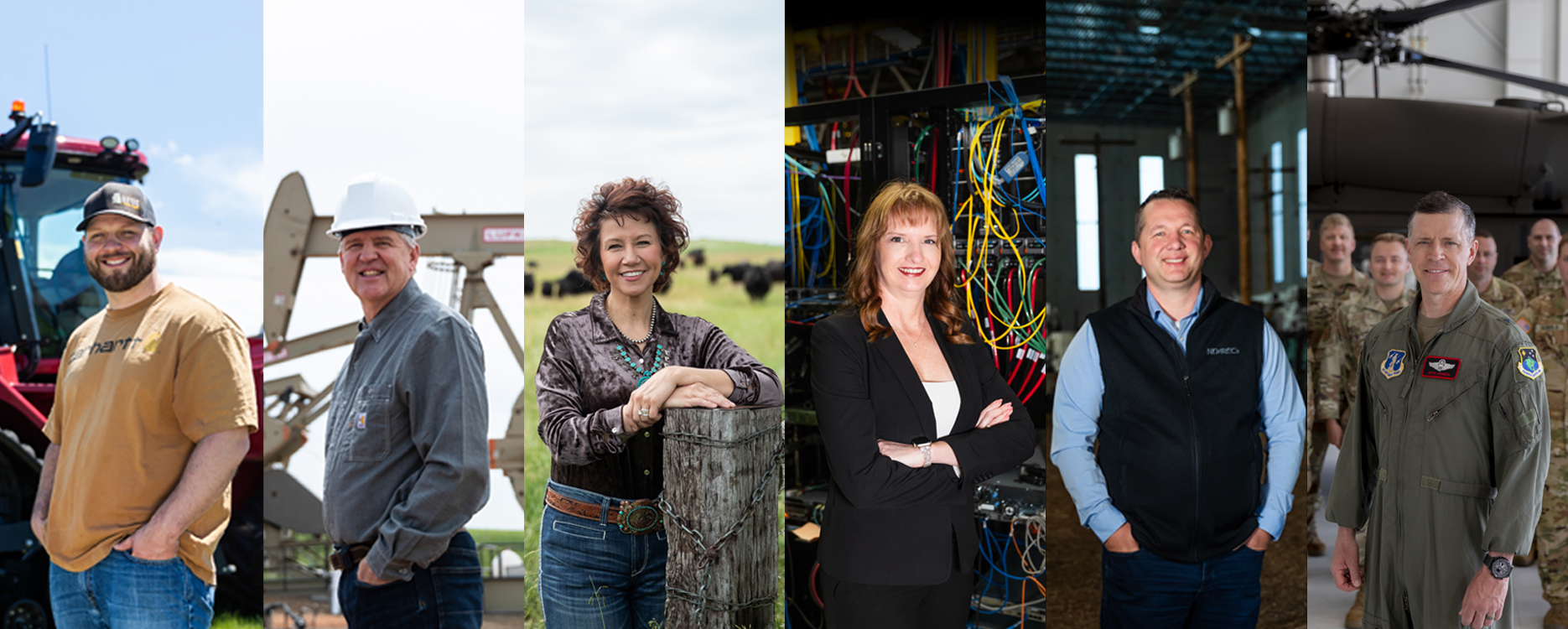
The values that shaped the Northern Plains – hard work, innovation and cooperation – still drive North Dakota’s success. Agriculture, energy, military service, livestock and broadband are just a few of the industries helping build the state’s next chapter.
FEEDING THE WORLD
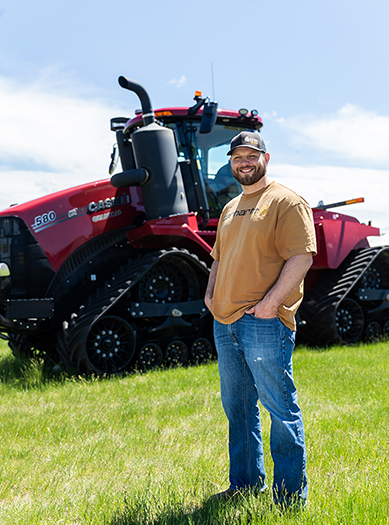
Matt Perdue, president, North Dakota Farmers Union
Agriculture has been the bedrock of North Dakota from our earliest beginnings, when pioneers broke native prairie and strung the first barbed-wire fences. Undaunted by the harsh climate and isolation, they somehow survived.
When electricity arrived in the countryside in the 1930s, it powered everything from motors to refrigerators, forever changing lives. Families grew large and, in turn, helped build the rural communities that populated the landscape.
While modern conveniences made farm and ranch life easier, farmers were still at the mercy of the marketplace and powerful monopolies that shorted them a fair price for their grain and livestock. They began to control their own destiny by forming cooperatives to purchase supplies, provide services, and market their commodities and livestock collectively. Many of those early cooperative efforts remain the cornerstone of Main Streets across North Dakota.
Over the years, technology has driven the evolution of family farm and ranch agriculture. Ground once worked with horse-drawn plows is now worked with GPS-guided tractors. Commodity markets once defined by state and national borders are now global.
Agriculture is an industry under constant change. What hasn’t changed is the role North Dakota farmers and ranchers play in feeding, clothing and fueling a growing world. Today, North Dakota ranks among the nation’s leading crop-producing states, strengthening both the state’s economy and the nation’s food supply.
 FUELING A NATION
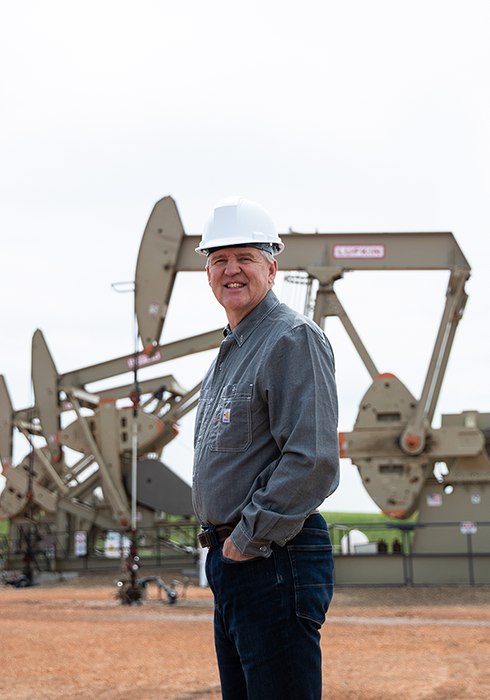
Ron Ness, president, North Dakota Petroleum Council
On April 4, 1951, a quiet stretch of land near Tioga sparked a transformation no one could have imagined, launching an economic era that continues to shape North Dakota today.
Decades later, in 2006, horizontal drilling and hydraulic fracturing drove a second wave of innovation, elevating North Dakota to global prominence. This modern energy revolution strengthened the state's economy and helped make the United States energy independent and a net exporter of oil and natural gas.
Today, North Dakota's oil industry produces more than 1 million barrels of oil daily, supports 63,000 well-paying jobs and generates nearly $50 billion in annual economic impact. It contributes more than $4 billion each year in taxes, fees and royalties, helping fund schools, roads, public safety and other essential services across the state.
The impact reaches far beyond North Dakota's borders. Energy produced from the Bakken Formation helps fuel the nation's economy, strengthen energy security, and support American consumers and businesses.
Production is expected to decline over the next 10 years. However, only about 15% of known resources are recovered today. With smart policy, sound regulation and continued innovation, that can change, extending the Bakken's impact for decades to come and helping ensure North Dakota remains a strong place to live, work and raise a family.
 STEWARDSHIP AND SUCCESS
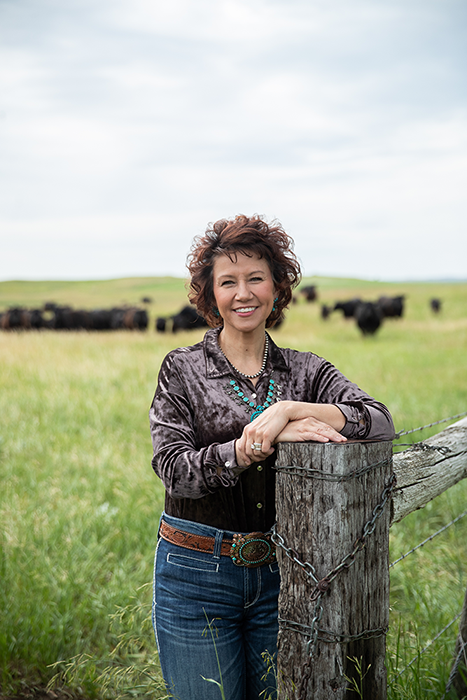
Julie Ellingson, executive vice president, North Dakota Stockmen’s Association
North Dakota’s beef cattle industry has helped shape the state’s economy, culture and landscape for more than a century. From the open-range era to today’s technologically advanced operations, cattle producers have continually adapted while remaining committed to stewardship and quality.
Among the industry’s colorful historical figures was the Marquis de Mores, whose packing plant near Medora pioneered the concept of shipping beef in refrigerated railcars, which was a vision well ahead of its time. Since then, North Dakota has become a leader across the beef industry, with genetics developed here influencing herds throughout the nation and around the world.
The state has all the ingredients for success: superior genetics, hardy grasses, a climate that promotes strong rates of gain while helping limit disease pressure, abundant feedstuffs and hardworking ranch families. Advances in artificial insemination, embryo transfer, performance testing, genomics and DNA technology have accelerated genetic improvement, and provided producers with powerful tools for breeding and management decisions.
These innovations have improved carcass quality, increased quality grades and delivered the consistency, convenience and eating experience consumers expect. At the same time, producers are raising more pounds of beef with fewer animals and fewer resources than ever before.
Through responsible grazing and conservation practices, North Dakota ranchers have improved soil health, water quality and wildlife habitat, leaving the land in better condition for future generations while helping feed a growing world.
 CONNECTING NORTH DAKOTA
Carissa Swenson, executive director, Broadband Association of North Dakota
For decades, the Broadband Association of North Dakota (BAND) and its member companies have worked together with a shared goal: ensuring North Dakotans have access to reliable communications services no matter where they live. That spirit of collaboration began in 1953 with the formation of the North Dakota Association of Telephone Cooperatives and continues today through BAND.
BAND member companies have spent decades serving rural communities where access to reliable, affordable communications services can be challenging. Whether someone lives in a small town, on a farm or on the prairie, members have stepped up to ensure North Dakotans have the connectivity they need to live, work, learn and stay connected. Much of that progress was made possible through local investment, federal loan programs administered by the Rural Utilities Service and the Universal Service Fund.
As technology evolved, so did BAND member companies. Many upgraded from copper networks to fiber-optic infrastructure, providing customers with advanced communications services and the high-speed internet access needed in today's digital world.
Today, BAND members not only serve their local communities, but also support critical infrastructure used by businesses, schools, healthcare providers and government agencies across the state. Their continued investment helps ensure North Dakota is prepared for the opportunities of the future.
 POWERING PROGRESS
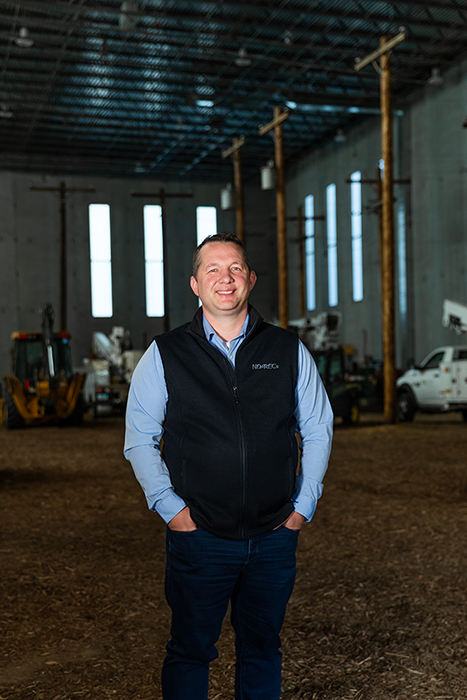
Josh Kramer, general manager, North Dakota Association of Rural Electric Cooperatives
When much of rural America was left in the dark, North Dakotans came together to build something remarkable.
Beginning in the 1930s, rural people formed electric cooperatives to bring power to farms, ranches and small communities across the prairie. They built thousands of miles of power lines across some of the nation’s most sparsely populated territory, connecting rural families to opportunities that transformed daily life.
Electricity changed everything. It powered irrigation systems, grain-handling facilities, schools, businesses and homes. It helped modernize agriculture, strengthen rural economies and improve the quality of life for generations of North Dakotans.
Today, the North Dakota Association of Rural Electric Cooperatives represents 17 distribution cooperatives and five generation and transmission cooperatives serving communities across the state. Together, they provide reliable, affordable electric service that powers North Dakota’s leading industries, including agriculture, energy production, manufacturing, healthcare and technology.
The cooperative network’s impact extends far beyond state borders. North Dakota’s farms help feed the nation. Its energy resources help fuel the economy and strengthen national security. Its growing broadband, technology and value-added agricultural sectors depend on reliable electricity delivered every day by cooperative systems.
Nearly a century after the first rural power lines were built, North Dakota’s electric cooperatives continue to invest in infrastructure, innovation and local communities. Guided by the principle of neighbor helping neighbor, they remain a powerful example of what people can accomplish when they work together for the common good.
A TRADITION OF SERVICE
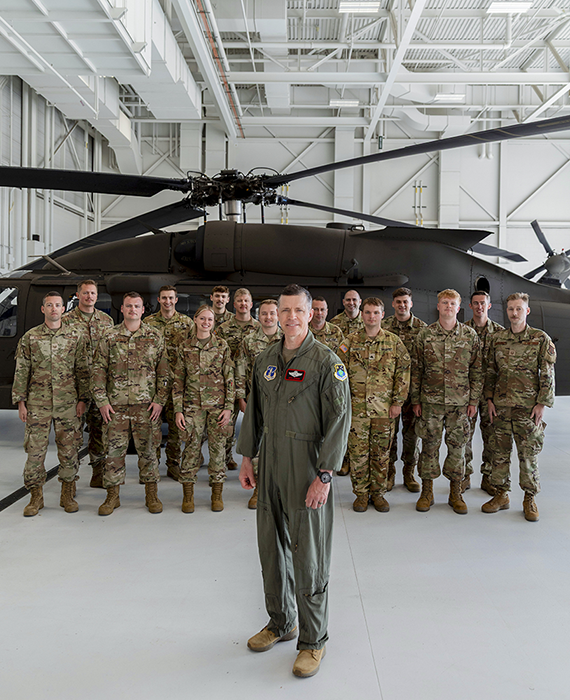
Brig. Gen. Mitchell Johnson, adjutant general, North Dakota National Guard
From its Dakota Territory roots to the present day, the North Dakota National Guard has upheld a proud tradition of citizen-soldier and citizen-airmen service. Unique in its dual mission, the Guard remains under state authority for local emergencies while standing ready to support federal operations worldwide.
North Dakotans have served in every major conflict. Early units volunteered in the Spanish American War, earning 10 Medals of Honor. The 164th Infantry Regiment deployed in World War I and later became the first U.S. Army unit to offensively engage the enemy in either theater of operations when reinforcing Marines at Guadalcanal. North Dakota field artillery battalions supported operations in Europe, firing more than 160,000 rounds during World War II.
The Air National Guard took shape in 1947 with the 178th Fighter Squadron, later part of the 119th Wing, which maintained continuous air defense alert during the Cold War and launched the first F-16 response to the 9/11 Pentagon attack. Today, the wing remains vital through its unmanned MQ-9 attack and reconnaissance mission.
Through Desert Storm and the Global War on Terror, North Dakota units have continued to support federal operations while remaining indispensable at home, responding to floods, blizzards, fires and emergencies statewide. This legacy of readiness and service endures in today’s capable force.