
This summer, take a road trip through 250 years of history without ever leaving North Dakota.
On July 1, “ND 250 Road Trip: Our American Story” opens in the Touchstone Energy® Cooperatives Governors Gallery at the North Dakota Heritage Center & State Museum in Bismarck. The exhibit traces the state’s history from 1776 to 2026.
Developed by the State Historical Society of North Dakota, the project is inspired by a simple idea – few things are more American than hitting the open road. As the nation marks its 250th anniversary, the road trip highlights the communities, landmarks, attractions and people that help tell North Dakota’s story and its connection to the larger American experience.
BEHIND THE EXHIBIT
While visitors may enjoy the exhibit in an afternoon, creating it took years of planning, research and teamwork. Staff from across the State Historical Society worked together to gather concepts and artifacts, and conduct research, writing and design. They condensed centuries of history into a single gallery experience.
“It takes a community to build an exhibit,” says Kim Jondahl, audience engagement and museum department director. “Our agency team collaborated with state and national partners to authentically shape the story.
“Visitors often see only the finished product, not the years of research, writing, planning and preparation that happen behind the scenes,” says Bill Peterson, director of the State Historical Society of North Dakota and chair of the ND250 Commission, which is leading the state’s celebration of the United States’ 250th anniversary.
WHO WAS HERE IN 1776?
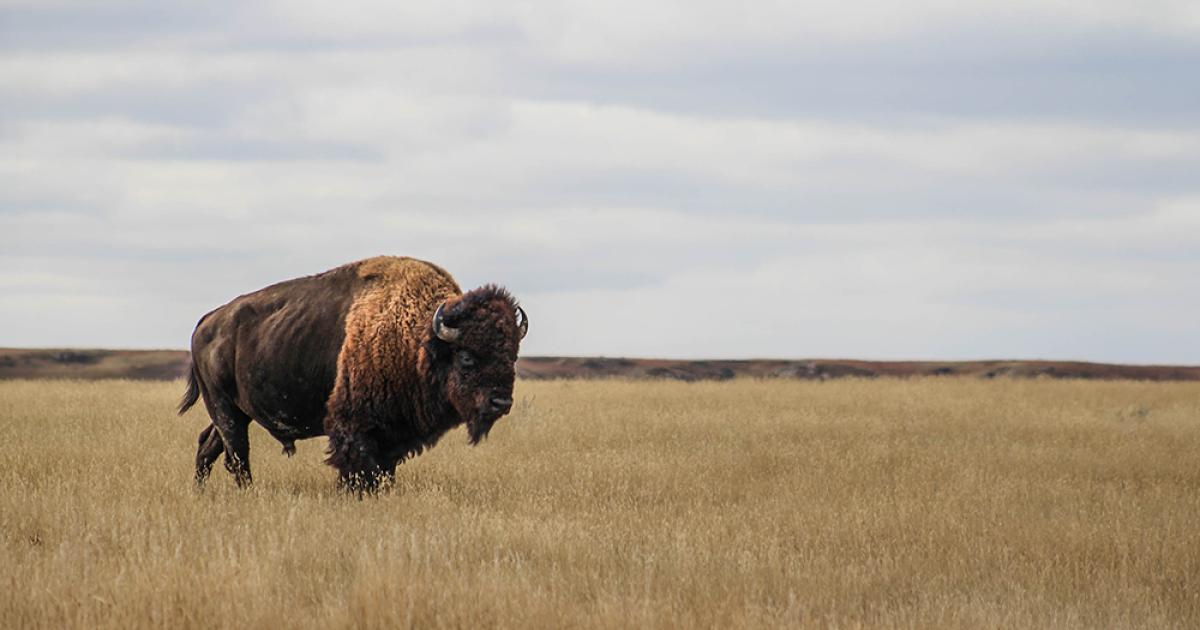
Since North Dakota didn’t exist in 1776, the story begins long before statehood. At its heart – the people of the plains.
One of the first questions asked: Who lived here in 1776 and what were their lives like?
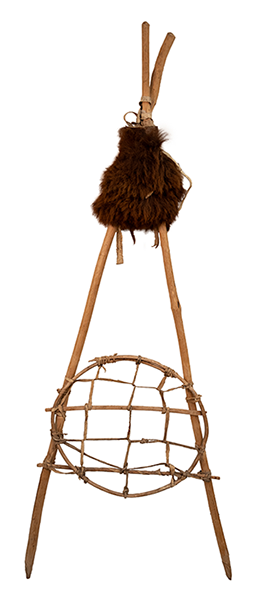
Visitors first learn about the Indigenous Nations who were living here and operating vast trade networks across the Northern Plains. On display is a dog travois, a sled used to transport goods, along with rare Karl Bodmer aquatints based on works created during his travels through the region in the 1830s.
The exhibit also features videos created in partnership with tribal leaders telling their own stories.
“North Dakota’s history really starts when people first came here,” Peterson says. “We try to start every story we tell with that grounding.”
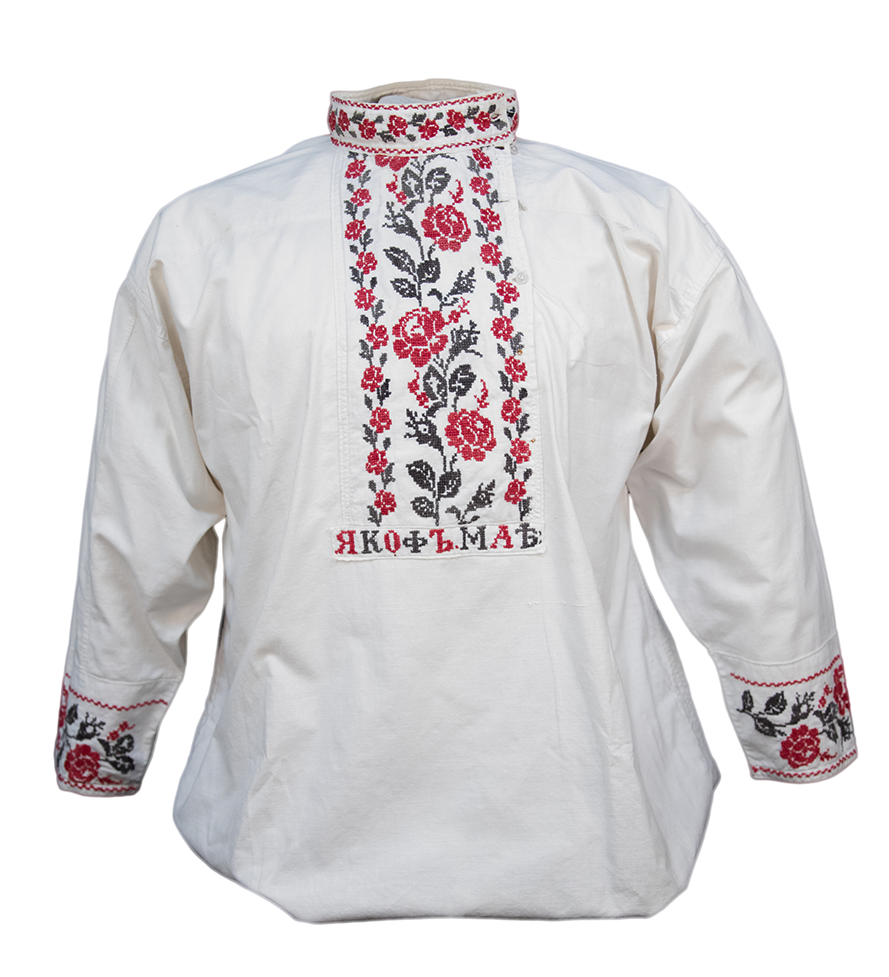
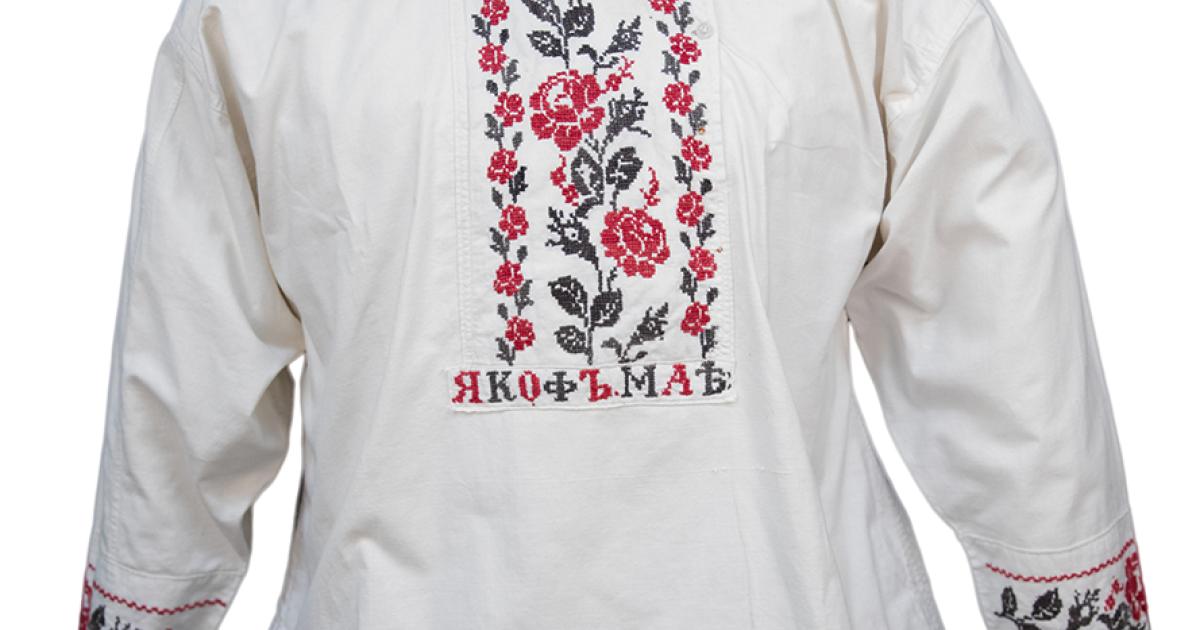
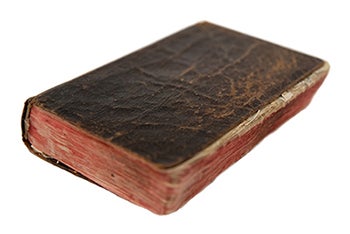
Later, visitors meet the immigrants who arrived during the early days of statehood. A collection from the Meier family includes a handmade wedding shirt, military records, passports and a German-language Bible, offering a glimpse into the lives of settlers who came seeking a new life.
Historical advertisements and railroad posters show visitors how strongly the region was sold to prospective settlers. Railroad companies helped spread the message across Europe, enticing immigrants to head west and build new lives on the prairie.
The exhibit shares an inspiring story, but it doesn’t omit difficult chapters that are part of the American story. Visitors learn about the displacement and disruption of Indigenous communities as settlement expanded across the region and the legacy of a World War II internment camp in our state.
DESTINATION NORTH DAKOTA
Through historical posters, souvenirs and product packaging, visitors get answers to questions, such as how the state persuaded people to move here. How did it draw tourists?
Since Dakota Territory days, communities, businesses and political leaders worked to attract people to the state through advertising, tourism and promotion.
Have you heard of Mr. Bubble, Dakota Beer and Dot’s Homestyle Pretzels? Those are just a few of the products featured in the North Dakota products display. Visitors will even get the chance to take in a “Breath of Pure North Dakota Air.”
Transportation artifacts, including vintage highway signs, suitcases, railroad memorabilia and even an old gas pump, help reinforce the exhibit's road-trip theme. Together, they illustrate how people traveled to, through and across North Dakota over the past 250 years.
The trip also offers some surprises.
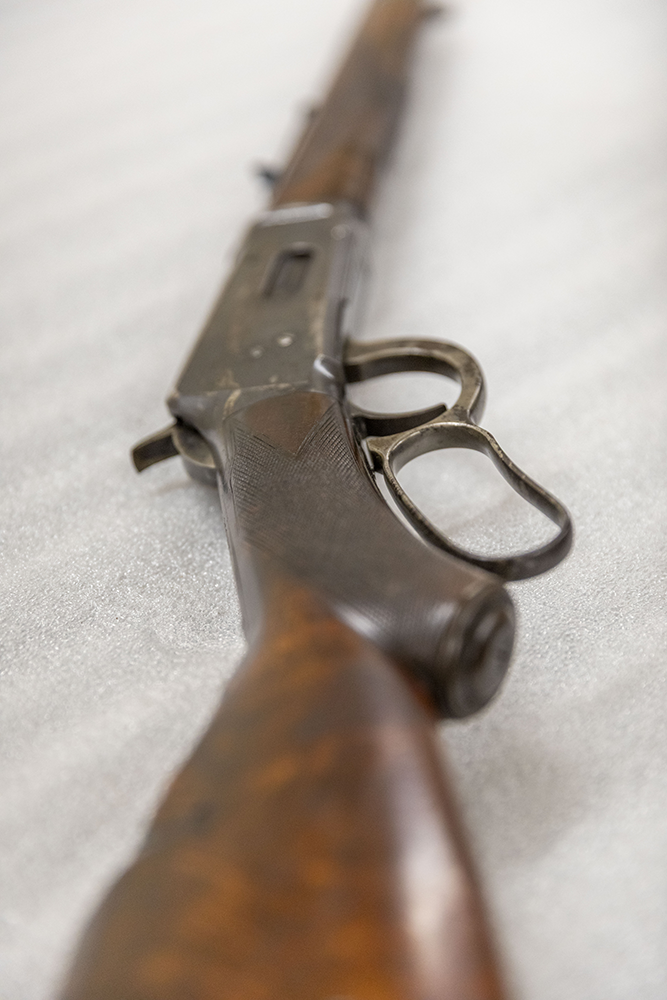
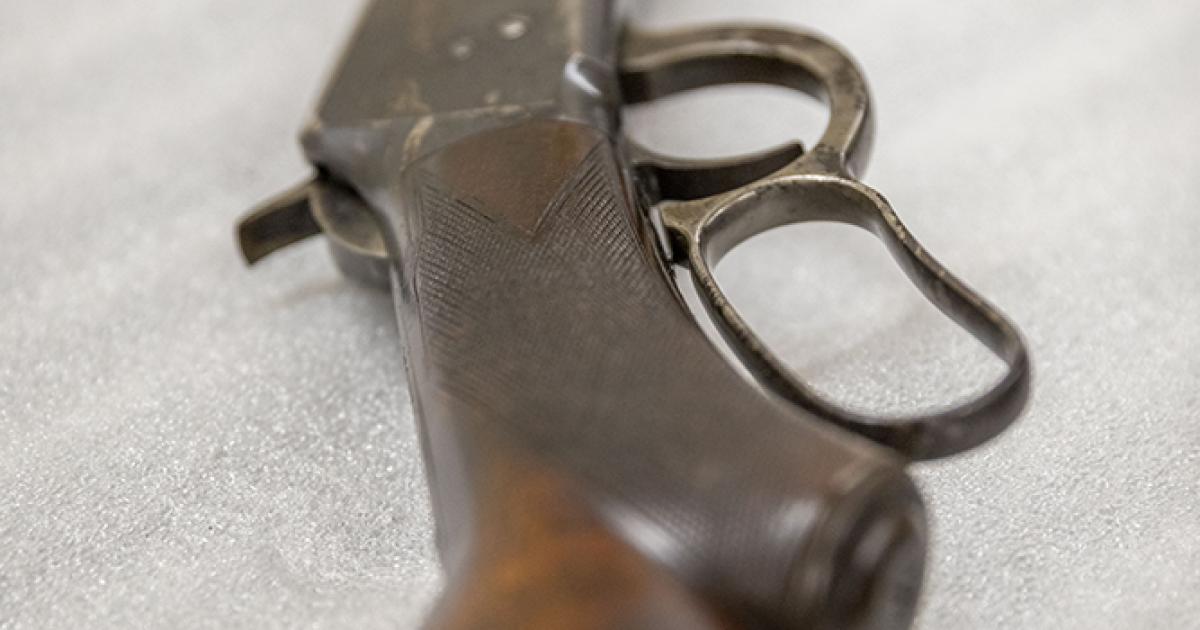
Among the unexpected artifacts on display is a rifle once owned by Theodore Roosevelt, whose years in the North Dakota Badlands helped shape the future president and conservation leader.
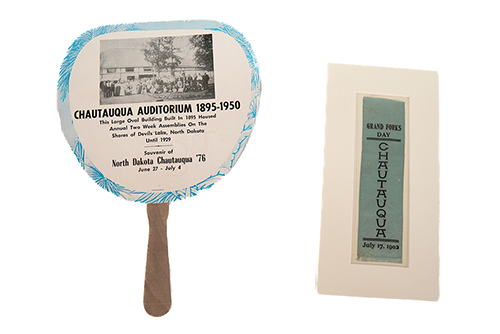
Visitors also learn that for more than 35 years in Devils Lake, a festival-like event drew people from across the United States. From 1893 to 1929, this small lakeshore town hosted one of the nation’s largest independent Chautauquas – as they were called – turning the plains into a place full of culture, education and recreation.
EXPLORE YOUR ROOTS
Walking through the exhibit, visitors will encounter examples of resources from the State Archives that can help them find out more about themselves and their families.
Animated games and activities also aim to engage young visitors through the basics of family history. A Centennial Farms kiosk highlights families that have lived on and/or owned their farms or ranches for more than a century.
This part of the journey becomes more personal by revealing every family’s story contributes to the state and nation.
Visitors aren't just learning about North Dakota's past. They're invited to explore their genealogy and imagine what the state might look like 250 years from now.
NEW FRONTIERS: THE ROAD AHEAD
Toward the end of the road trip, visitors discover North Dakota's story is still unfolding.
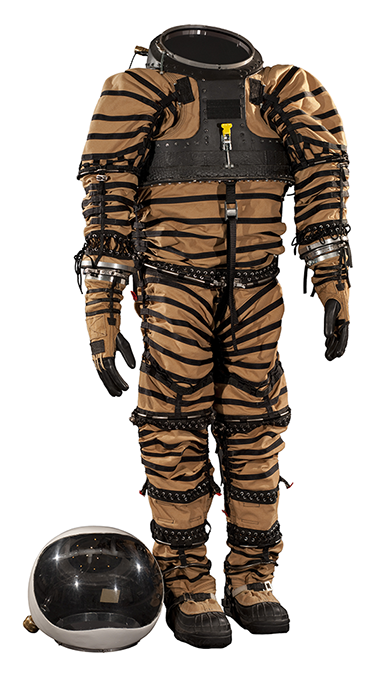
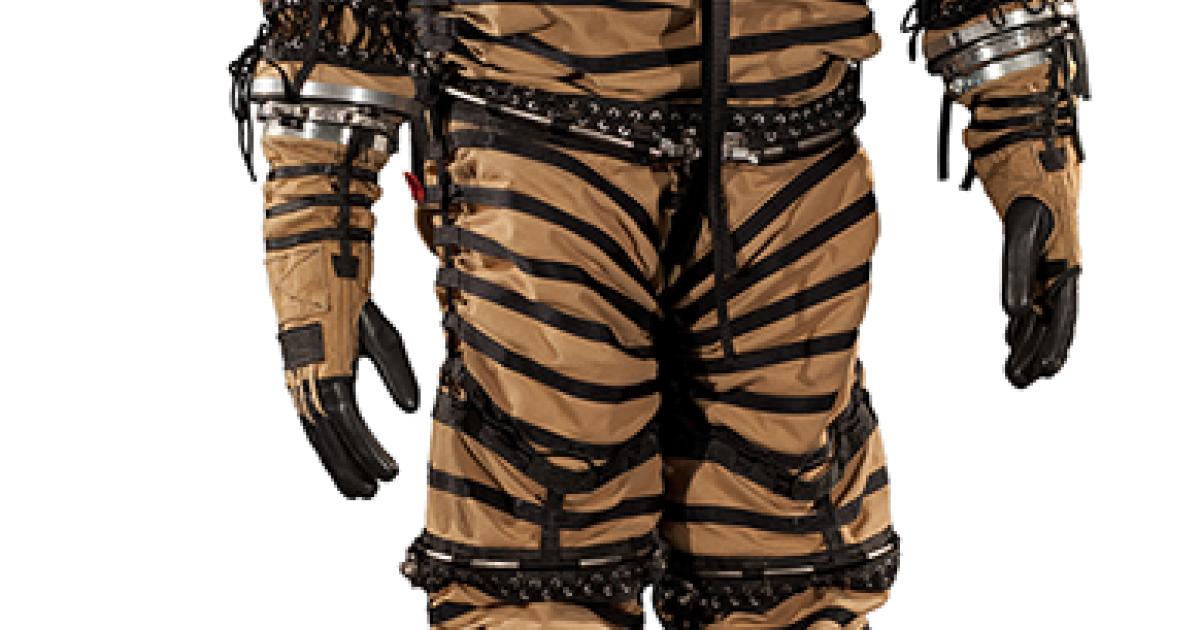
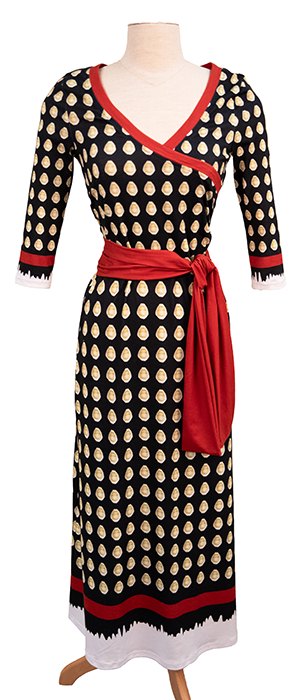
Agriculture, energy and military readiness take the spotlight as the exhibit explores how these industries are shaping a new frontier. Artifacts range from a contemporary dress designed by Native entrepreneur Lauren Good Day to a modern spacesuit, showing how North Dakota's story stretches from its earliest cultural traditions to today.
Through advanced drone technology, artificial intelligence, autonomous farming equipment and renewable energy, visitors see North Dakota’s innovation at work.
As the excursion ends, visitors will discover the state’s story is only beginning.
Whether people research family history, visit historic sites or ponder the state’s future, the journey doesn't end when they leave the gallery. Like any great road trip, it’s about discovery and seeing how the trails forged by those who came before us continue to shape the path ahead.
___
Clarice Kesler is the communications director for the North Dakota Association of Rural Electric Cooperatives, leading strategic communications including North Dakota Living, digital communications and media relations. She can be reached at ckesler@ndarec.com.