In October 1959, U.S. Sen. John F. Kennedy spoke at a Midwest Farm Conference in Illinois. Kennedy, who already had presidential aspirations, made this oft-quoted remark: “The farmer is the only man in our economy who buys everything at retail, sells everything at wholesale and pays the freight both ways.”
Kennedy knew, or his speechwriter knew, of the farmer’s lament: He has no control over the price he pays for what he needs or of the price he gets for what he produces. When the farmer takes his wheat to the elevator, he asks “What’ll you give me for it?” And when he buys his seed and fertilizer, he’s told, “This is how much it’s going to cost.”
It’s possible, even likely, among those who heard Kennedy that day were farmers who belonged to the fledgling populist group, the National Farmers Organization (NFO). The NFO, just five years old at the time, was trying to obtain better prices for its members. Initially, it was through collective bargaining, which involved the withholding of commodities from the market and bargaining with processors for a higher price. They had limited success.
In the mid-1970s, North Dakota farmers tried pooling their wheat, a concept similar to collective bargaining. The idea was by offering a large volume of high-quality, source-verified wheat, the farmers could demand a premium. But the first pool netted little, if any, premium and farmers lost interest in the concept.
Largely, Kennedy’s 1959 comments still ring true. But there are exceptions. As I sat at the auction market this spring, watching a purebred cattle producer sell his bulls, I thought of what a similar cattleman told the crowd before his sale: “Boys, I think the bulls are pretty good. Buy ’em as cheap as you can.” Which is what they intended to do. I realized an auction like that may be the only time when an ag producer has control over what he will pay for an input. It’s because he’s buying from another ag producer, who still asks, “What’ll you give me?”
___
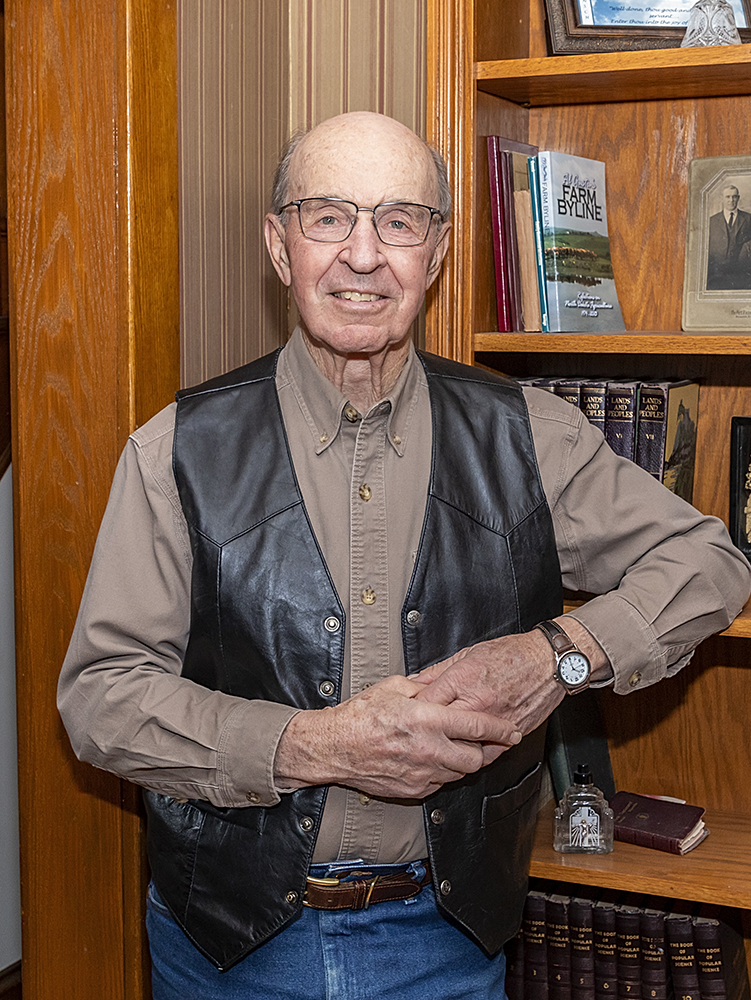
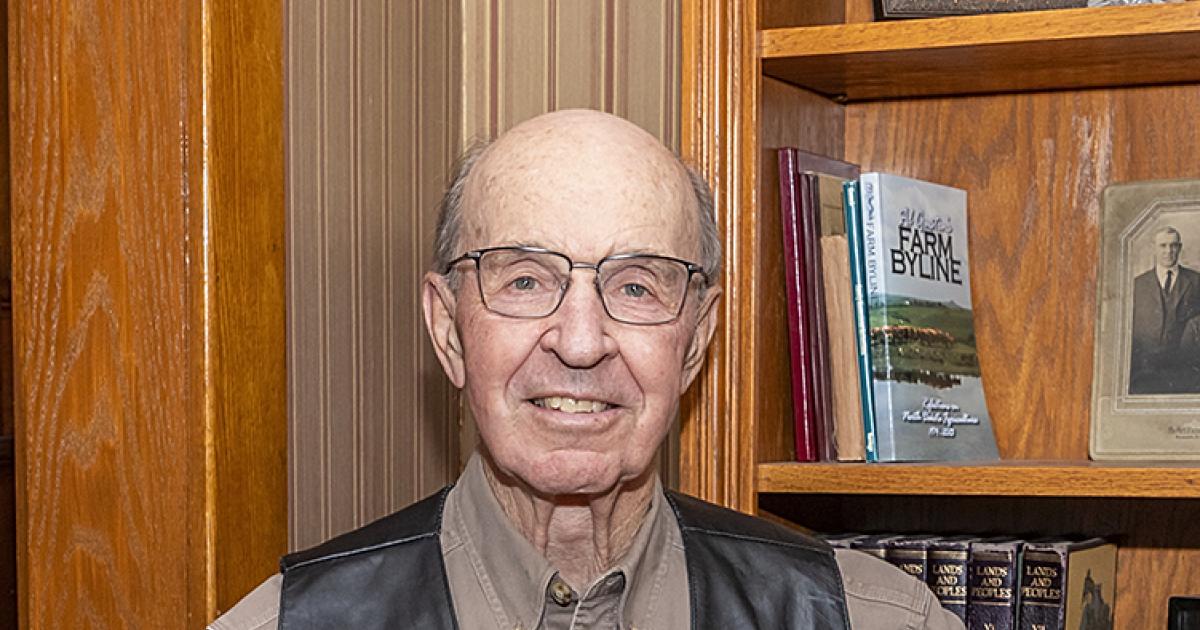
Al Gustin is a retired farm broadcaster, active rancher and a member of Mor-Gran-Sou Electric Cooperative.