
As the nation turns 250, former Gov. Ed Schafer shares his perspective on civility, community and democracy
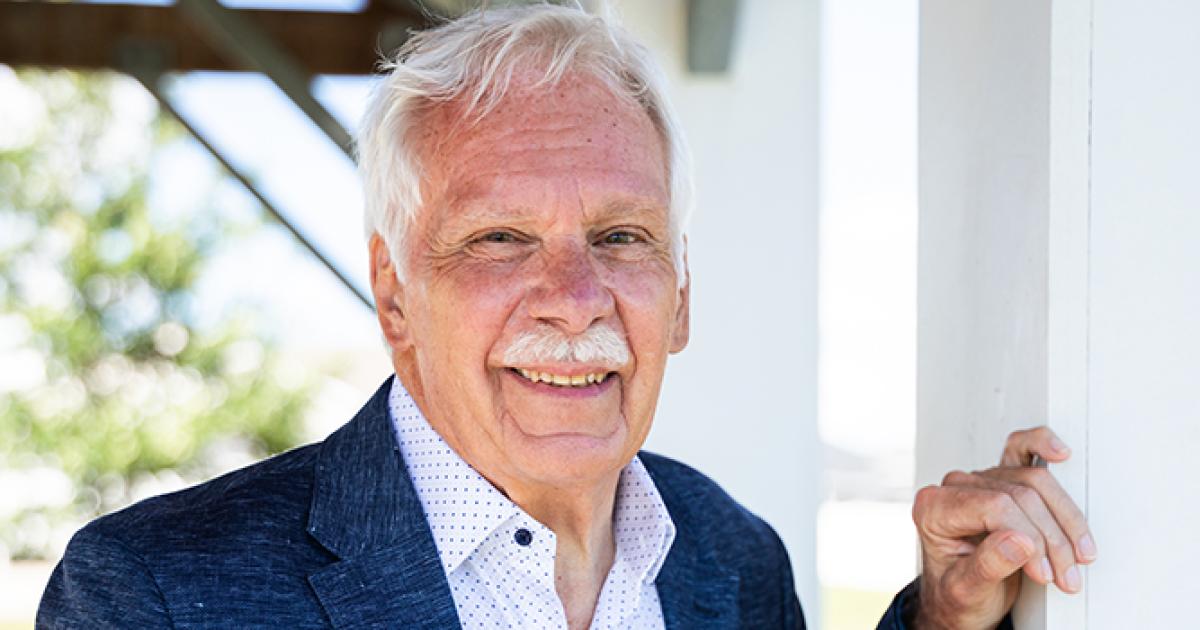
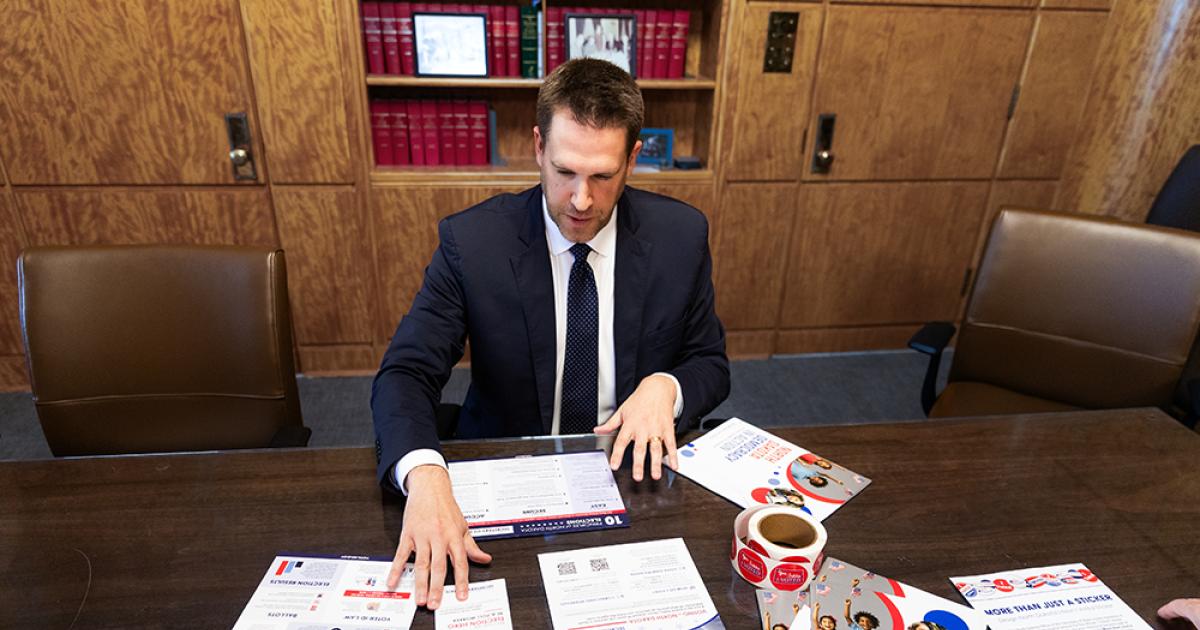
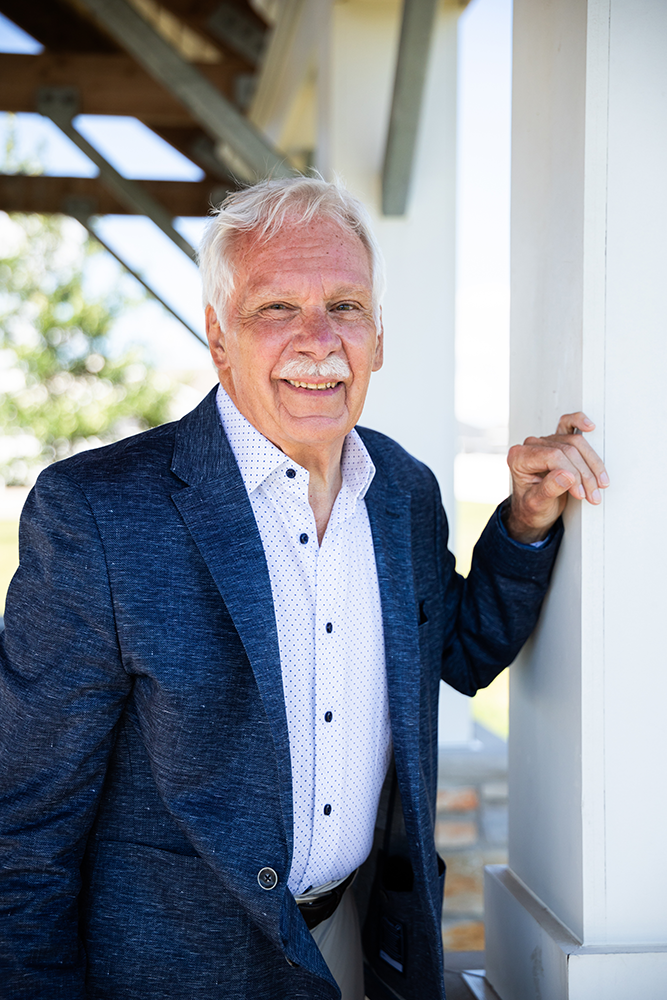
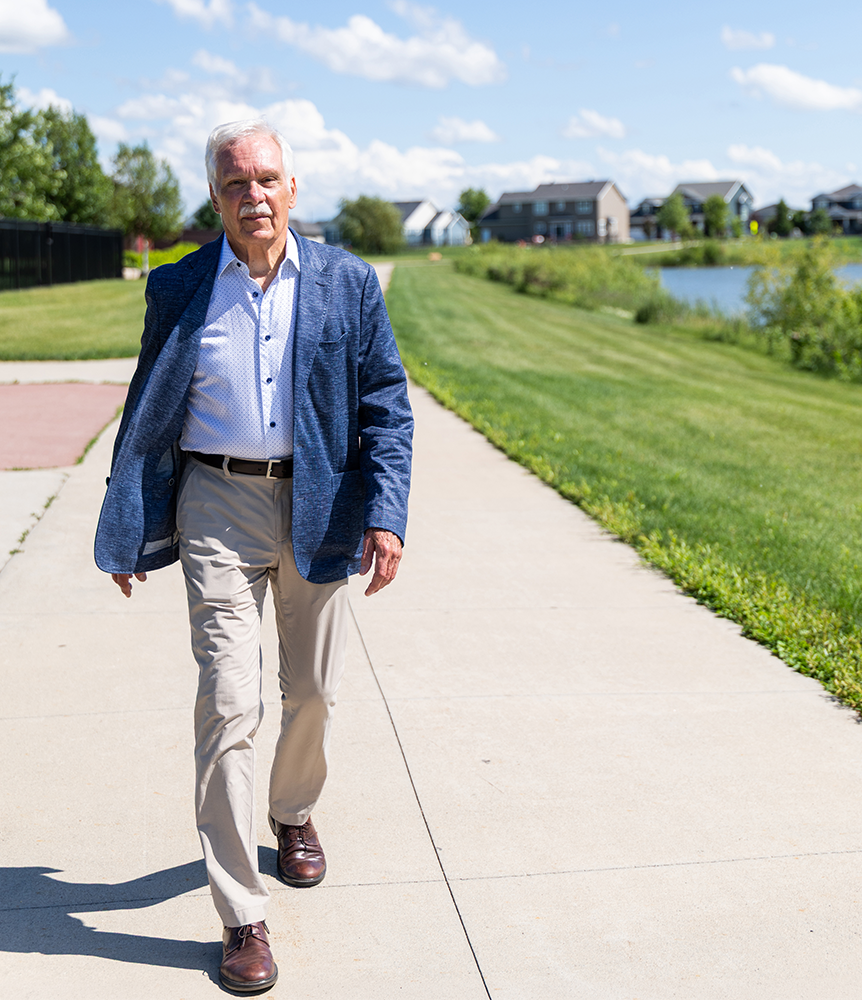
A presentation on civility by former Gov. Ed Schafer at a program hosted by The Study, formerly the North Dakota Humanities Council, inspired North Dakota Living to interview him for this feature as the nation celebrates its 250th anniversary. Photos by NDAREC/Clarice L. Kesler
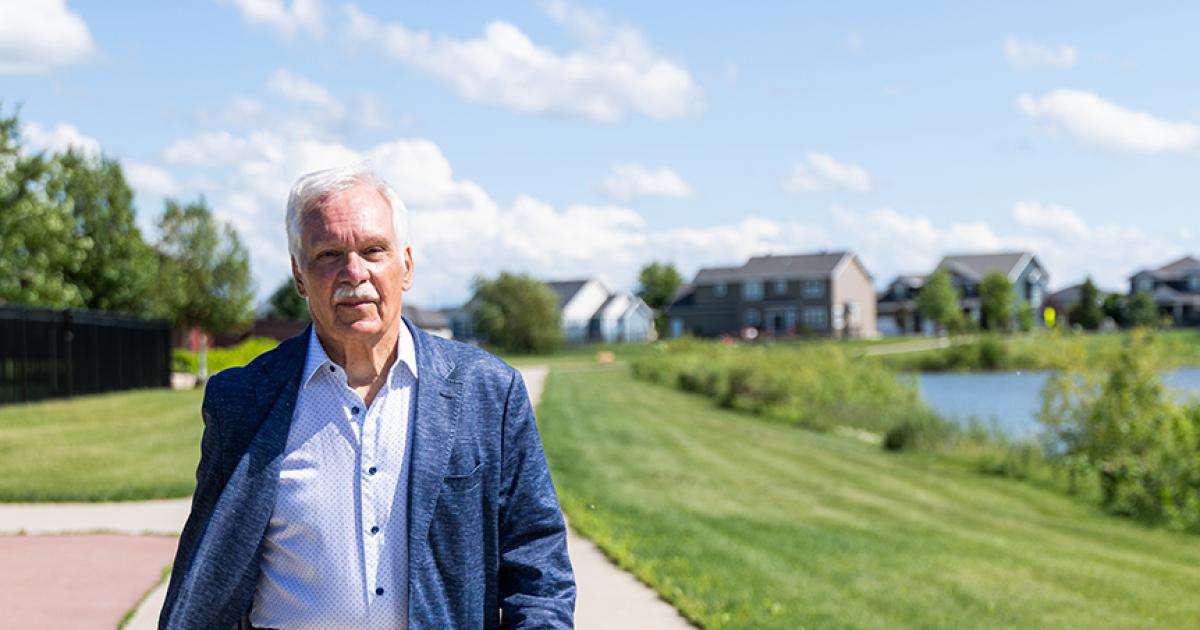
After spending decades of his life in public service, former Gov. Ed Schafer believes the future of American democracy depends less on what happens in Washington, D.C., and more on what happens between neighbors.
As America approaches its 250th anniversary, Schafer believes restoring civility can strengthen democracy. He says it begins around the kitchen table, in churches, community organizations and small towns, where people learn not only to understand differing opinions, but welcome them.
During an interview with North Dakota Living, Schafer reflected on the experiences that shaped those beliefs, from a quote that has sat on his desk for decades to his travels to the lessons he learned governing North Dakota.
Searching for common ground
Long before serving two terms as North Dakota’s 30th governor and later as U.S. secretary of agriculture, Schafer’s worldview was shaped by experiences that extended far beyond politics. After graduating from the University of North Dakota and the University of Denver, he spent 15 years working in New Jersey and New York. Later, he backpacked across South America. Those travels, along with trips during his political years, exposed him to different cultures and ideals around the world.
“Early on, I picked up a quote from Thomas Aquinas, and I've kept it on my desk ever since,” Schafer says. Aquinas, a 13th-century priest and philosopher, is known as an influential thinker in Western Christianity and philosophy. The sign reads: “We must love them both, those whose opinions we share and those whose opinions we reject, for both have labored in the search for truth, and both have helped us in finding it.”
Looking at today's political climate, Schafer believes Americans have become less willing to seek common ground with those who hold different views. Politics has always been contentious, he says, “but now it’s become more personally nasty rather than politically nasty.”
Schafer uses the Dakota term, shante chi cha, meaning troubled inside or a wounded heart, to describe this feeling. He argues the noise of modern life – a constant stream of often conflicting news – and a government far removed from its citizens have created division.
The “noise” Schafer references is the more than 270 million emails sent and received every minute around the world, while millions of social media posts, messages, videos and other interactions occur every second.
Beyond the constant stream of information causing angst, Schafer points to what he sees as biased coverage from some news outlets. He also points to the perpetual campaign where politicians seem to work to get reelected for personal gain, rather than to advance the country and its citizens.
The result, Schafer says, is growing mistrust and misinformation, with Americans clinging to their own versions of the truth rather than reality.
Government’s role in democracy
Schafer believes public office isn’t about holding power. It’s about staying connected to the people government serves.
During his years as governor, Schafer measured every decision against four guiding principles: serve all the people, tell the truth, do the right thing and solve the problem.
“If you’re thinking about the next election every day, you're not thinking about the people you're supposed to serve,” Schafer says.
He says that philosophy also shaped his decision not to seek a third term as governor. Schafer believes effective leadership includes knowing when to step aside, allowing others to serve before time in office creates distance between leaders and the people they represent.
“If we have a government by the people and for the people, you have to be with the people,” Schafer says.
To bridge that gap as governor, he launched Capital for a Day, taking the governor’s office, cabinet members and senior staff to a different North Dakota community each month. Cabinet officials spent the morning visiting schools, businesses, hospitals, prisons and other local institutions to hear directly from residents. The day ended with an open public forum where anyone could ask questions or voice concerns.
The conversations often led to practical changes in state government, Schafer says, because they gave officials firsthand insight into how policies affected everyday life.
“When you’re with people, you’re with real people,” Schafer says. “That’s really how you should craft government.”
Freedom’s shared responsibility
To preserve democracy, Schafer believes communities need to focus on foundational freedoms. In the U.S. Constitution, examples include freedoms protecting essential rights, such as speech, press, religion and assembly from government overreach.
He argues most rural Americans – and North Dakotans in particular – live their daily lives independent of government.
“In our state, people believe in less government and more responsibility,” Schafer says.
He talks of neighbors gathering to harvest the crops of a farmer down on his luck, volunteer firefighters and first responders, and countless other examples of rural communities helping one another.
Schafer also recalls a story about his wife, Nancy, and her family hosting an international agricultural exchange student in their small town in Montana where she grew up. Nancy was in a graduating class of 12, which was a large class for her school. Years after the exchange student returned home, his wife sent Nancy's family a letter recalling what her husband missed most about Montana.
She said what he missed most was not the beauty of the mountains and rivers, or even the people. It was “the sense of honesty and community from those who grapple with uncertain provision.”
That phrase stayed with Schafer. He believes to remain free, people must generate their own morals and values.
“If government steps into this arena of creating morals and values, you are no longer free,” Schafer says.
What we owe each other
As America celebrates its 250th anniversary, Schafer believes every citizen has a role in strengthening democracy. He encourages people to gather in small groups at churches, neighborhood gatherings or local organizations – including electric cooperatives – where they can share a meal, discuss values and character, and build relationships with one another.
For elected leaders, Schafer says the responsibility is just as important. Leadership, he believes, should focus less on winning the next election and more on serving the people who elected them.
As delegates finalized the Declaration of Independence in August 1776, they affirmed the principle that governments derive their power from the consent of the governed. Schafer believes those founding ideals are reflected not only in elections, but also in how Americans treat one another every day.
“We don't have to agree on everything,” Schafer says. “I believe we heal because people refuse to give up on one another. When we embrace that, we can live in harmony and peace.”
___
Clarice Kesler is the communications director for the North Dakota Association of Rural Electric Cooperatives, leading strategic communications including North Dakota Living, digital communications and media relations. She can be reached at ckesler@ndarec.com.