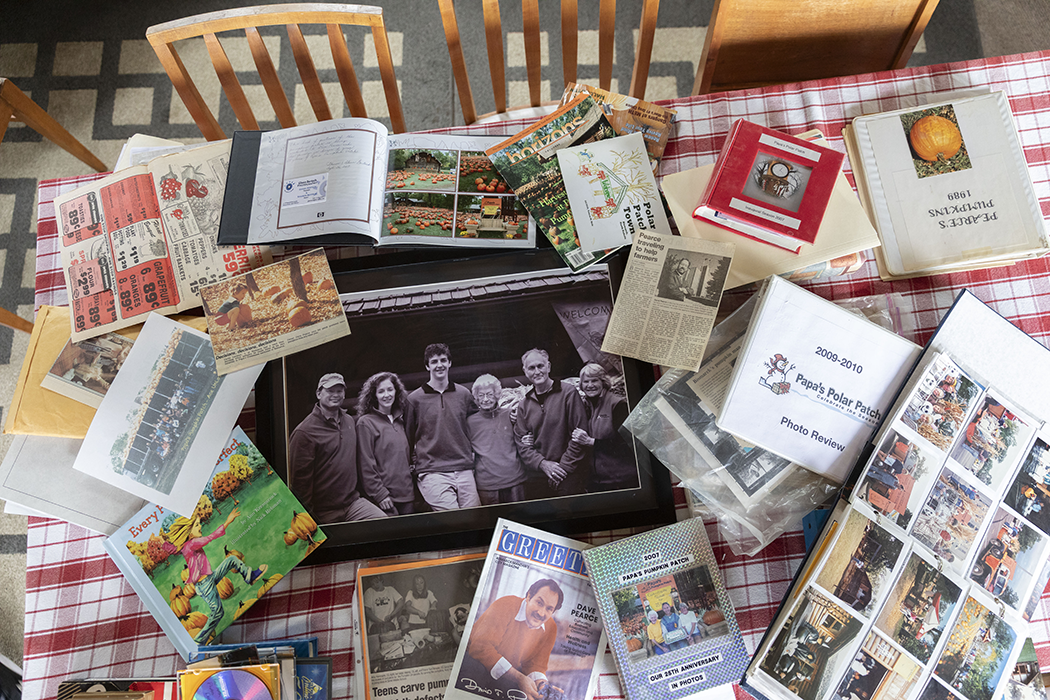

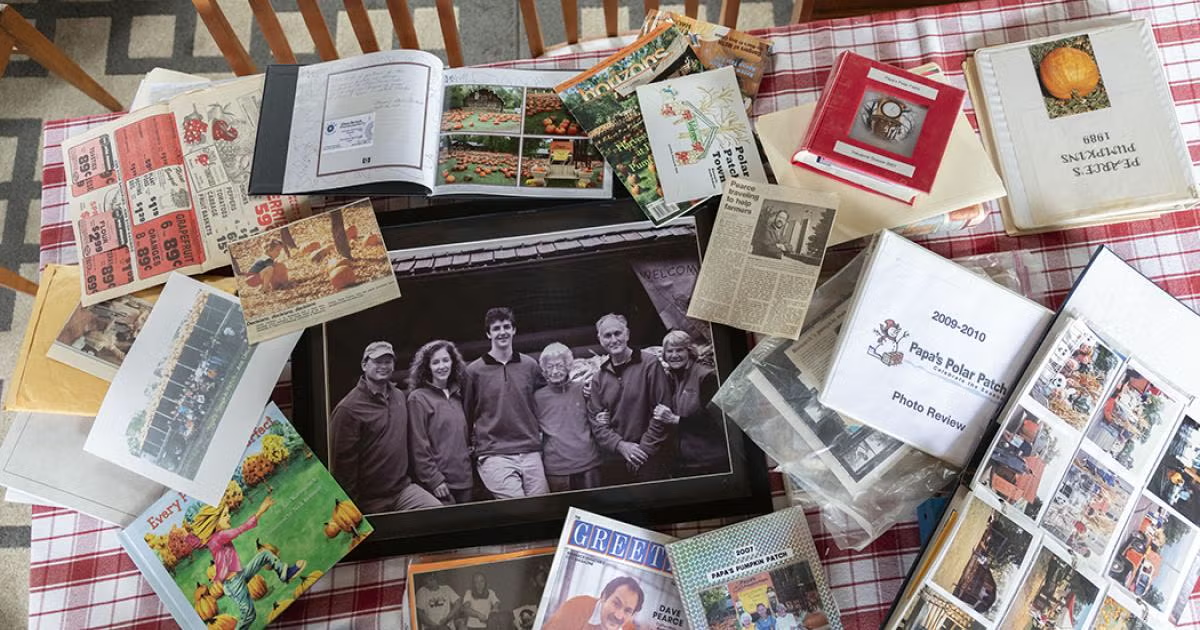
More than 40 years of mementos scatter across the dining room table, often referred to as the “Patch Family Boardroom,” telling the story of how Papa’s Pumpkin Patch became a statewide treasure.
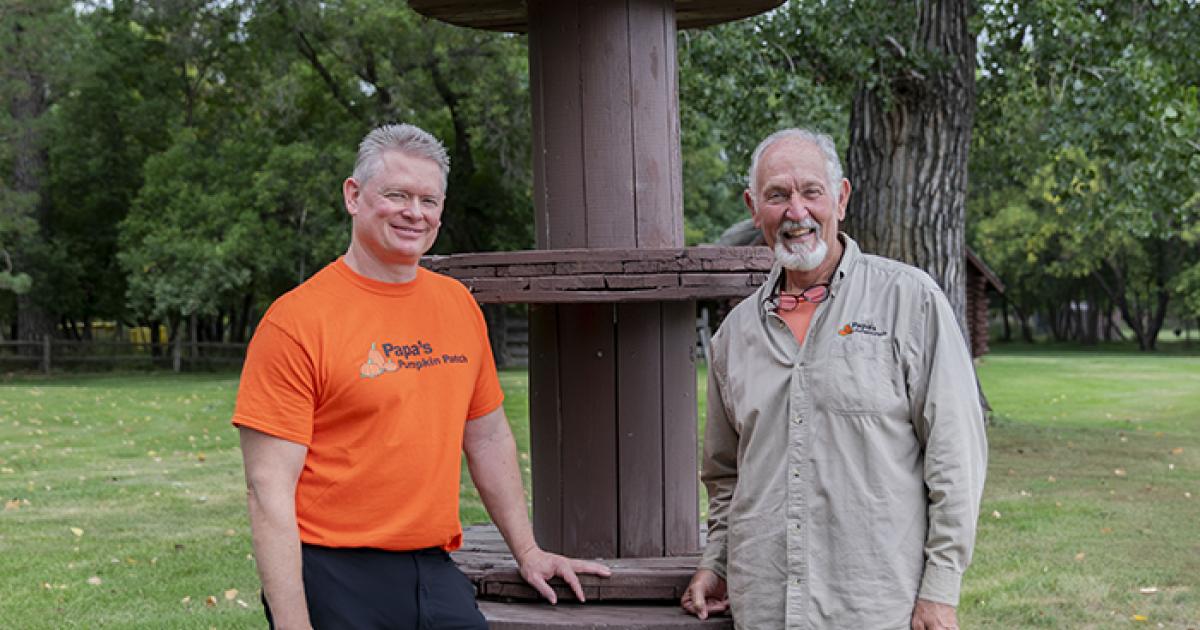
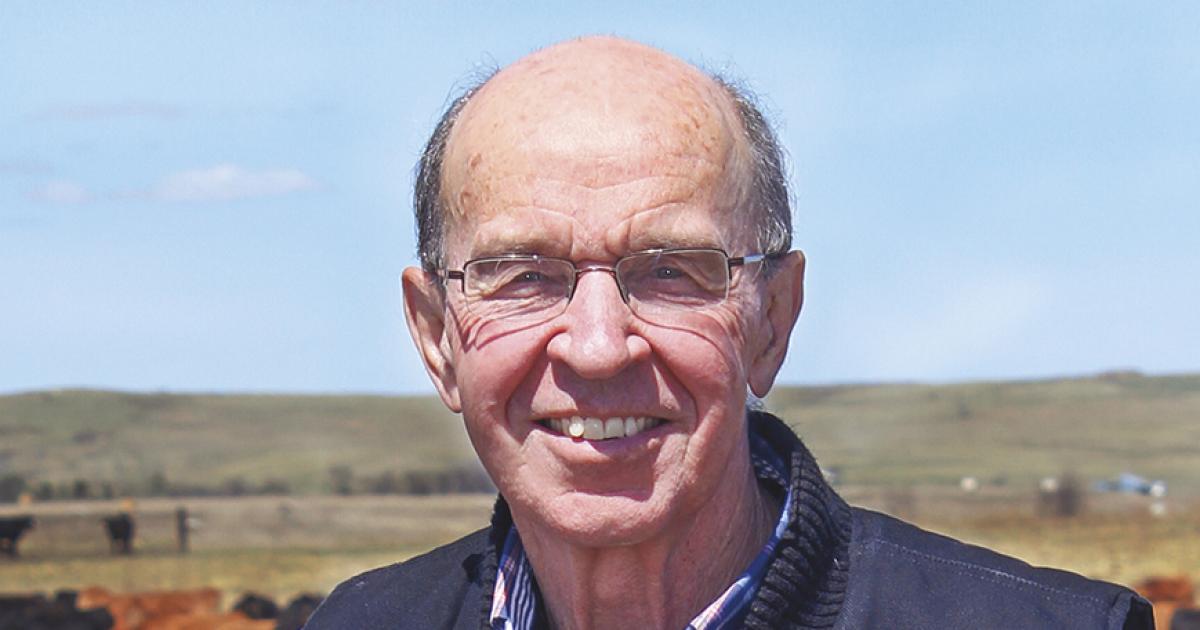
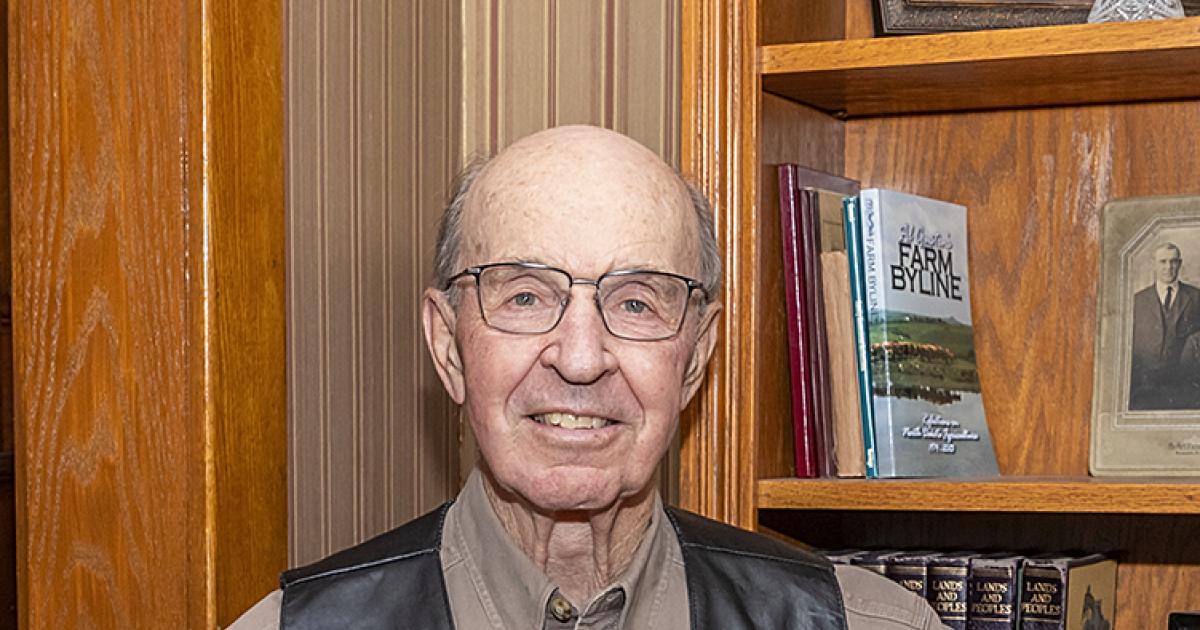
This fall, Chase Dauenhauer will wake up each morning in his home off Bismarck’s River Road to the idyllic view of orange pumpkins streaming through his yard. His neighbor, Dave Pearce, knows the scene well. Every September through October for 43 years, it marked the start of a meaningful day’s work.
But this year, the fallen trees on Pearce’s property that once served as a natural playground for tens of thousands of children each season will lay quiet. It’s a stark contrast to the pumpkin patch now sprawling just over the fence, where you’re likely to find Pearce listening for a familiar spark of magic.
“I’ll be listening for it in the community,” Pearce says. “They’re going to find everything over there that they remember from over here. But they’re going to find it with a new backdrop, a new position or a new look and I think they’re just going to be thrilled.”
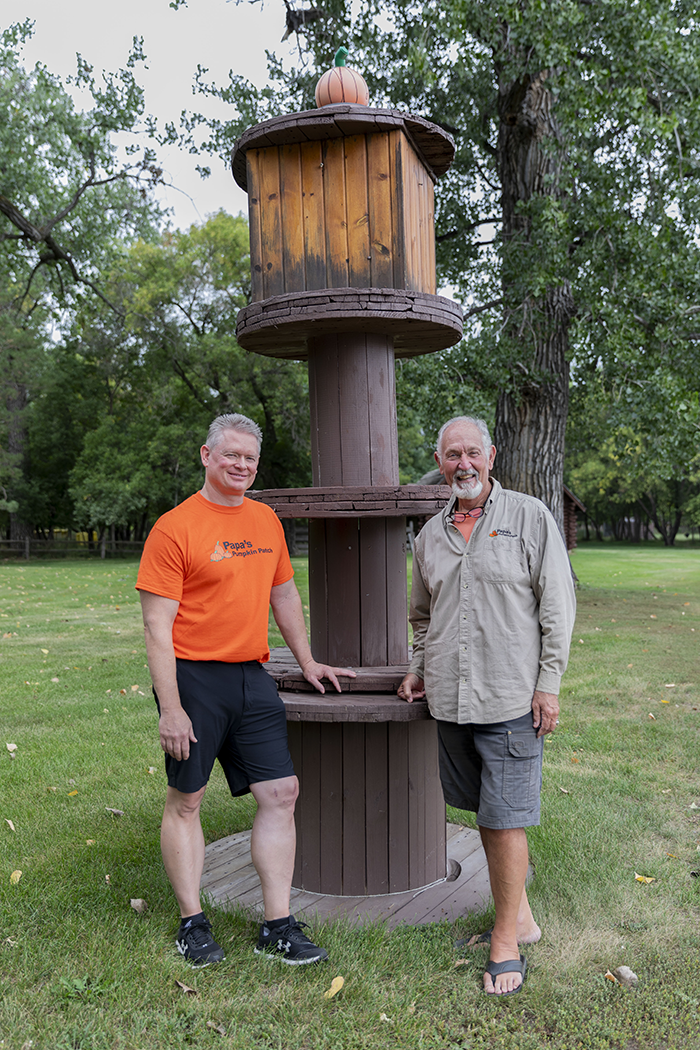
This season brings a new chapter for Papa’s Pumpkin Patch, a top-rated travel destination for fall tourists and the largest pumpkin patch in North Dakota. Pearce and his brother-in-law, Cory Finneman, agreed last winter the family-run operation that serves some 65,000 visitors a year is ready to slow down. So, they called on their neighbors whom they knew would help the magic continue to touch hearts and minds.
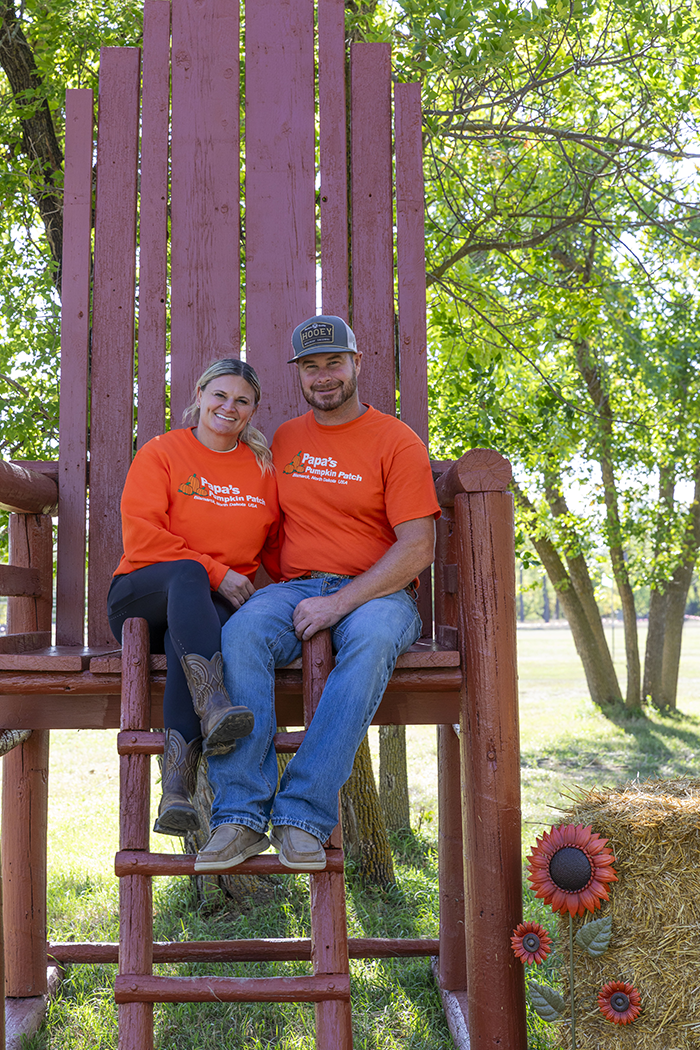
“It’s a dream come true,” Dauenhauer says, who is not just a neighbor, but a lifelong fan of the patch.
Papa’s is a place where dreams grow like pumpkins on a vine. Or, as Pearce’s father had originally imagined it, like tomatoes.
Tomato dreams
“It was never intended to be the business it became,” Pearce says. “It was just this little, dumb adjunct accident alongside the tomatoes.”
Pearce’s father sold coal to greenhouses. Excited about the cost-effective lignite found in North Dakota, he bought the now well-known property near the Missouri River and dreamed his son would someday grow greenhouse tomatoes using heat from local coal.
“To this day, I still love the smell of lignite,” he says.
When Pearce suddenly lost his father in a car accident in 1979, he and his mother carried the dream forward. They called it Papa’s Greenhouse and operated it to his father’s wishes: privately owned, but publicly shared.
By 1983, the community took notice of Pearce’s heart and asked him to grow a few hundred pumpkins for the October parade. He happily obliged. It was an easy enough request, until weather prompted organizers to push the parade from October to September.
“Thirty days to the farmer is the difference between green and orange,” Pearce says with a laugh. “We had a major problem.”
The pumpkins indeed needed to wait for October, and Pearce needed a new plan. He called his first-grade teacher friends to bring their students to his patch. About 200 children came that first year, and with muddy shoes, picked the patch clean.
“I still have all of those letters,” Pearce says, remembering the handwritten notes the students sent him. “‘Dear Dave, thank you for the pumpkin. I love your dog.’ ‘Dear Dave, I got to pet the horse.’”
Community dreams
For the next five years, Pearce quietly opened his property to larger school groups, always struggling to plant enough pumpkins for all the children. In 1988, he planted 10,000, but still had more kids than pumpkins.
“That was the year I said to Mom, ‘We got something going on here,’” he says.
Papa’s Pumpkin Patch began advertising and crowds grew even bigger. Pearce’s core team remained with his wife, mother and sister, Tracy. Extended family members pitched in, as there was always more than enough work to go around. One day, Tracy celebrated her birthday by inviting Finneman to join her for some exercise. She didn’t mention the semi full of 40,000 pounds of pumpkins that needed to be unloaded.
“That was the very first day I ever stepped foot on the pumpkin patch,” Finneman says.
As Tracy was busy with pumpkins, volunteers and customers, her 5-year-old son, Ben-Luke, took Finneman’s hand and led him around the patch.
“Little did I know that was the start of my relationship with the family,” Finneman recalls.
That day, Finneman discovered a new dream. One that included Tracy, family and the magic of community. They married in 2004 and the core team expanded to include Finneman’s parents and siblings.
Together, the families managed a team of as many as 2,000 volunteers each season to build, prepare and operate the patch. Since 1983, Papa’s Pumpkin Patch has given back more than $1.1 million to local charities and beneficiaries in return for their efforts.
“I have referred to it in the last few years as a community pumpkin patch because Dave started a very hybrid business model,” Finneman says. “It’s not just a for-profit. It’s not a nonprofit either. It’s an in-between.”
Papa’s became a place where the community gave to each other. North Dakota Living columnist Al Gustin crafted wooden farm animals as playsets. Capital Electric Cooperative crews built the large swing set. Many of the familiar creations can now be found on Dauenhauer's property.
“One person cannot do it. It takes a community to put the patch together,” Dauenhauer says. “I have random people pull into the yard and say, ‘Hey I got a couple hours, put me to work.’ That’s the ‘patch magic.’ Because of what has been established over at Papa’s – what Dave and Cory have put in for so many years.”
Pony dreams
All the while, Dauenhauer watched from across the fence and took note. His grandfather, Al, had been offering hayrides to the patch and Dauenhauer built up some confidence by helping.
"One day, the siblings and I decided to go to the pumpkin patch to buy pumpkins, but we didn’t have the money,” Dauenhauer says. “We started giving pony rides for a dollar.”
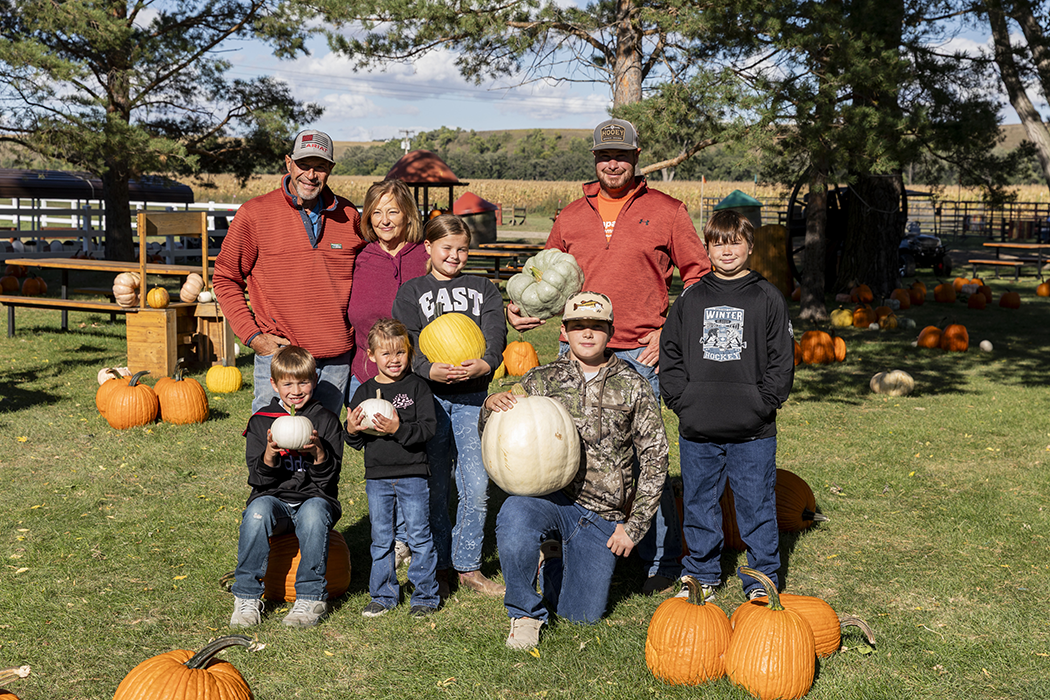
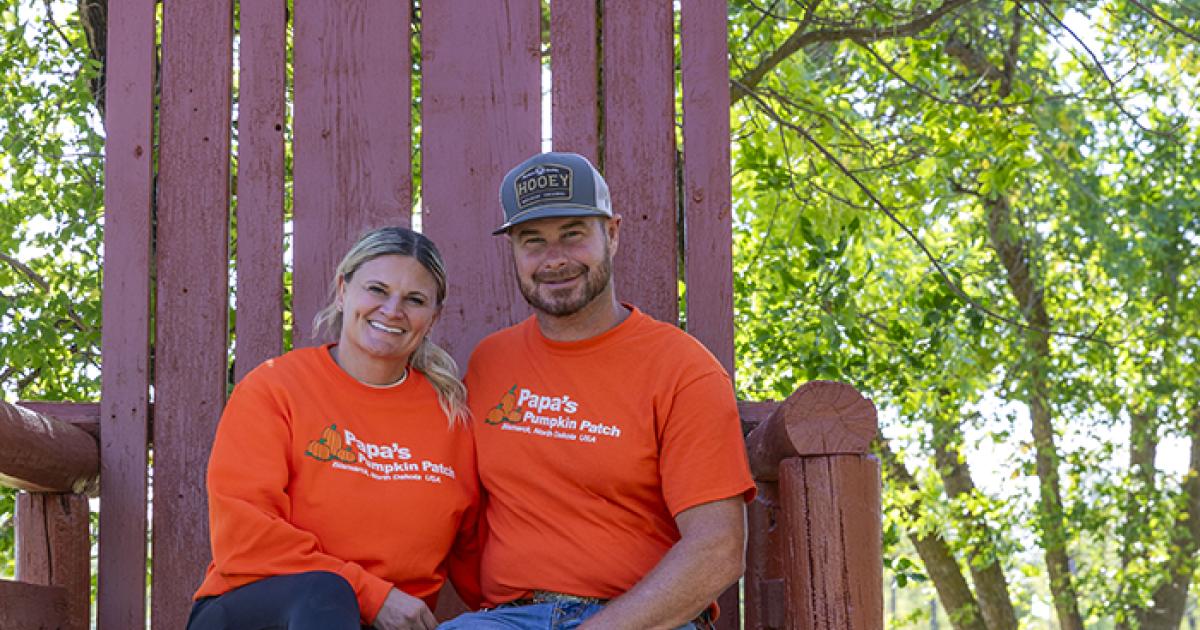
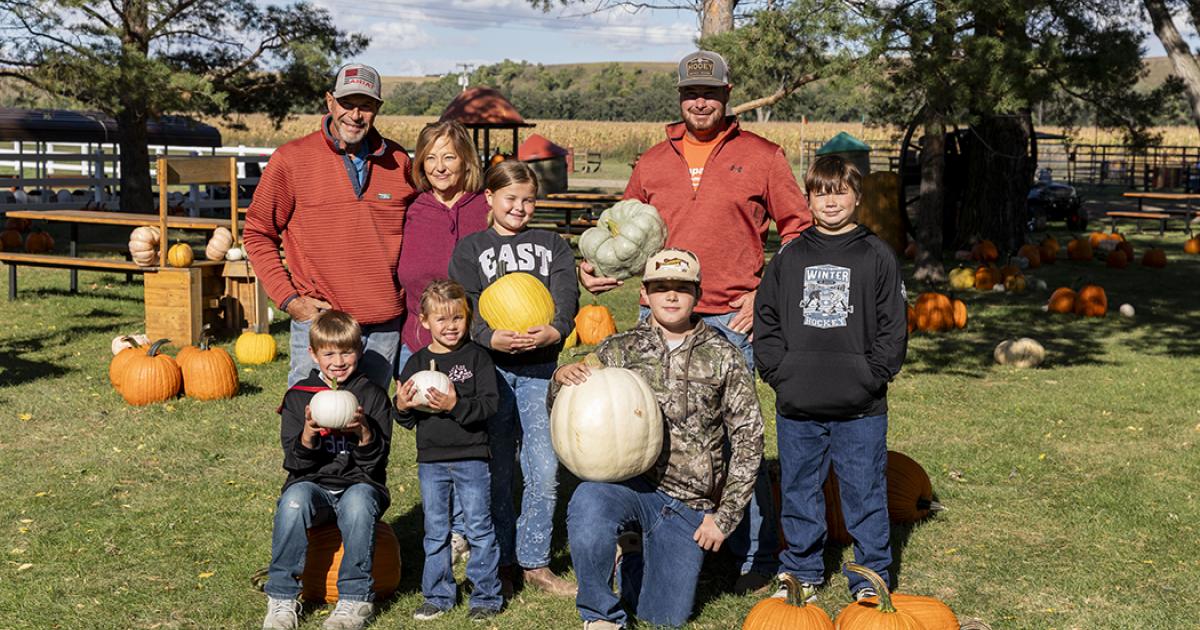
It was the start of Dauenhauer’s dream and his very own contribution to the “patch magic.” Pearce invited him back to keep offering pony rides as a partner. Now Dauenhauer’s older children help lead ponies. That makes four generations, from his grandpa Al to his five kids, that are part of the pumpkin patch’s legacy.
“They already get a chance to see it. They’re telling jokes and they’re watching the smiles, cries and the fear,” Dauenhauer says.
He is building his core team, with help from his father, his girlfriend and her family. As Pearce and Finneman have advised, they’ll need people they can count on. That’s how they navigated fires, floods, semiloads of pumpkins and the tragic loss of family members. After all, “it takes a community to put the patch together.”
Dauenhauer knows the patch won’t be exactly the same, but with coaching and support from Pearce and Finneman, the spirit will be there, along with nearly every volunteer group.
The dream that began with tomatoes grew into pumpkins. The pumpkin patch grew into a community. And now, that community is carrying the magic forward.
“I want people to know Papa is in full support,” Pearce says from his unusually quiet yard. Confidence fills his voice and the sound laughter carries over from across the fence.
Like the dreams that started it all, it will keep growing.
Papa’s Pumpkin Patch is open at 4205 Burnt Creek Loop in Bismarck from noon to 7 p.m. Monday through Sunday, Sept. 12 through Oct. 25.
___
Hope Sisk is managing editor of North Dakota Living. She can be reached at hsisk@ndarec.com.