
How cooperation shaped a state and a nation
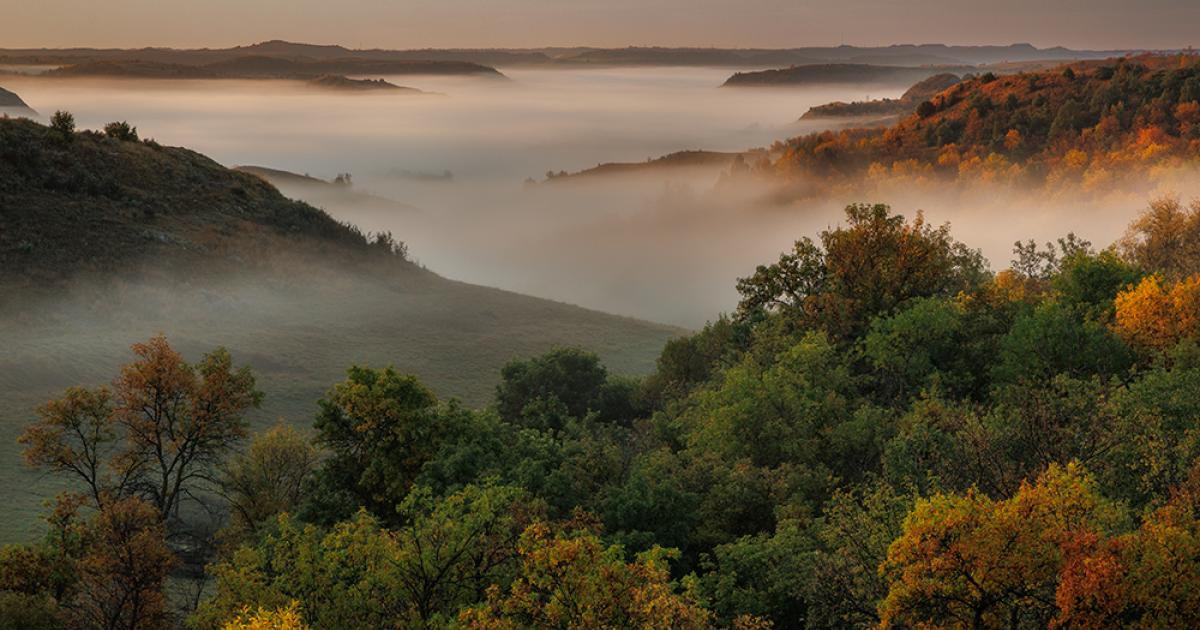
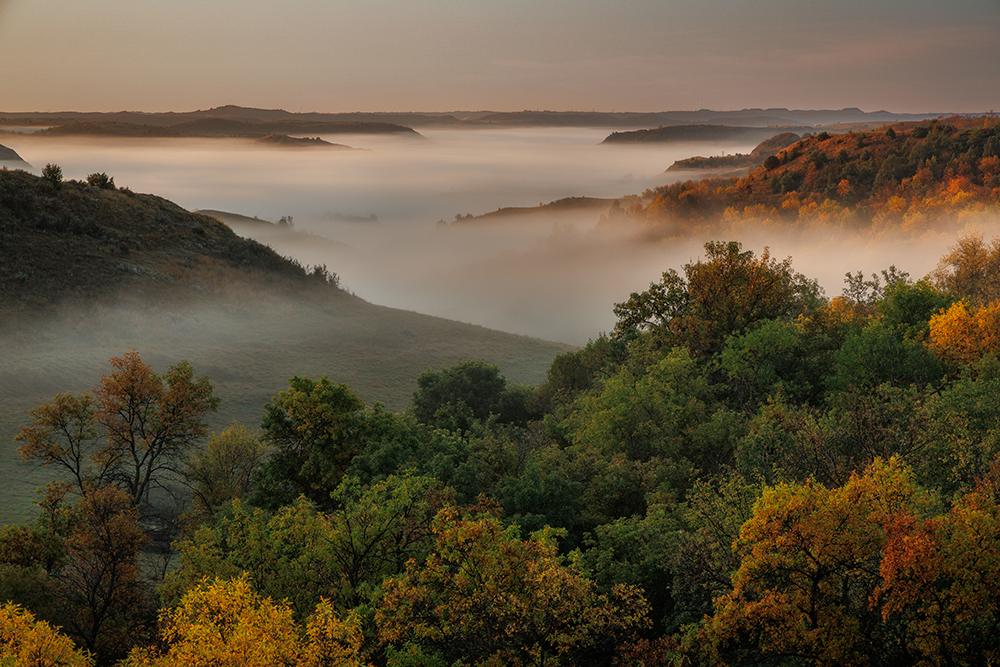
Photo by William Boyeff
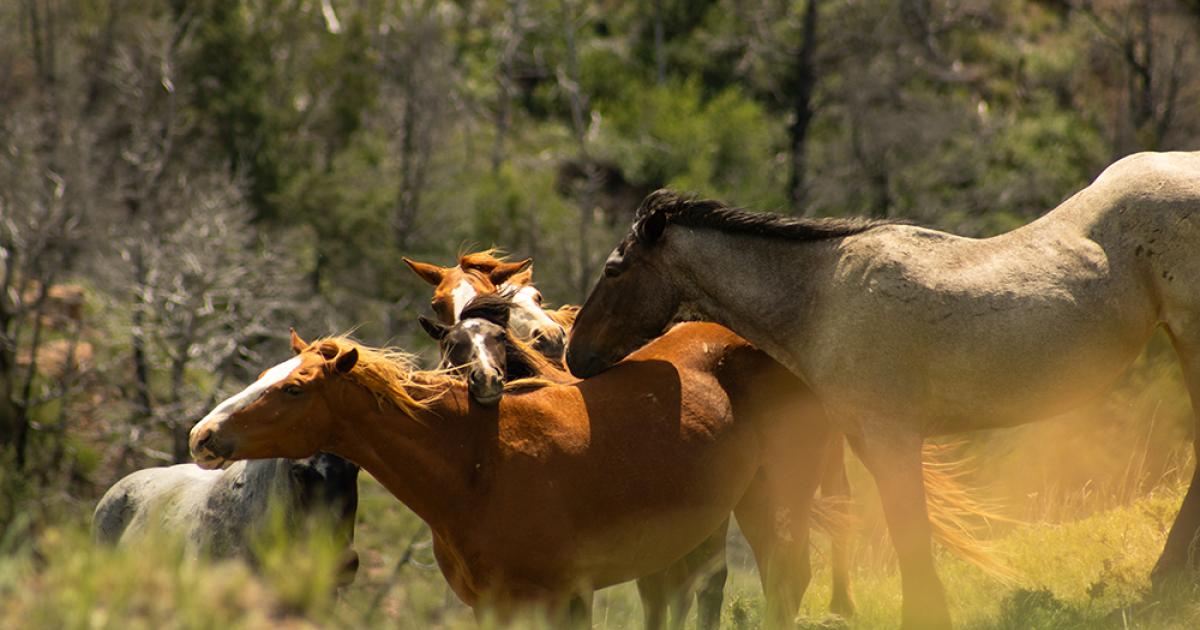
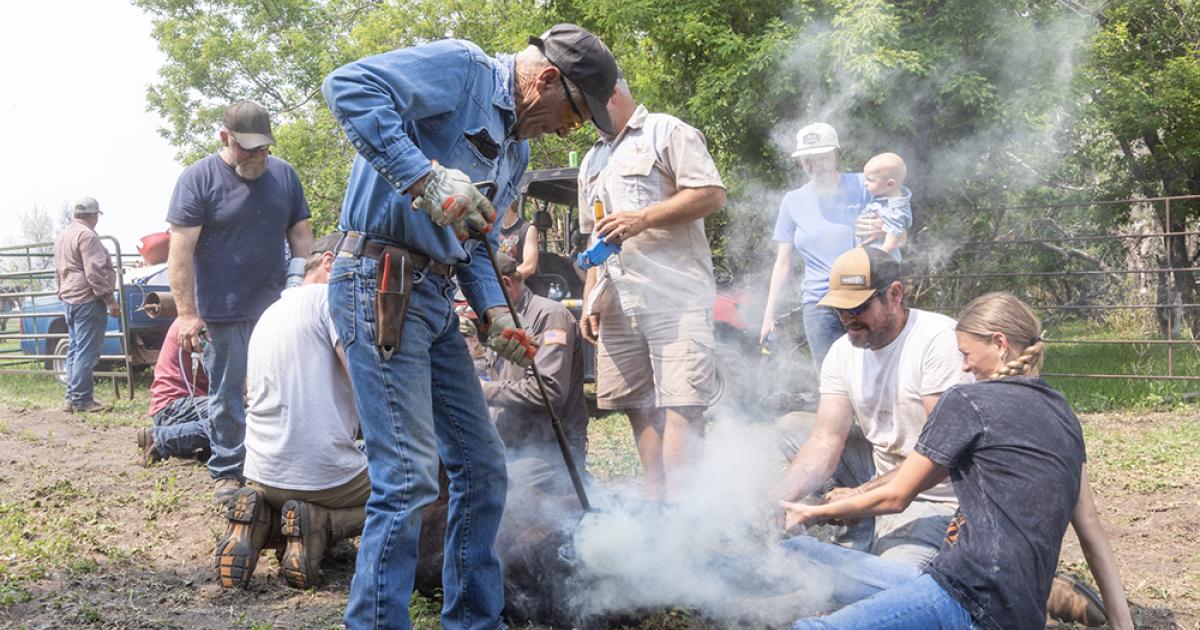
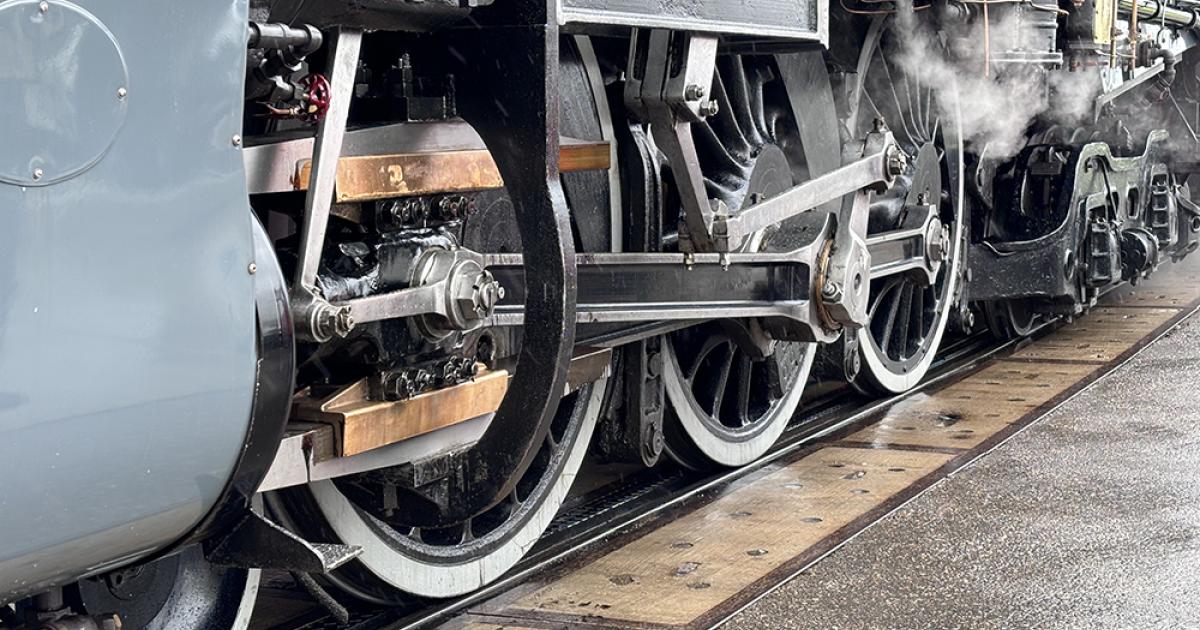
Long before North Dakota’s statehood, Indigenous people shaped the Northern Plains.
Along the banks of the Missouri River, Mandan and Hidatsa women crafted earth lodges from willow, grass and sod. With hoes made of bison bones, they tended vast fields of corn, squash and beans – the Three Sisters. These nutritious crops could be dried and stored, making them valuable for trade.
Women from more nomadic nations, such as the Lakota and Cheyenne, used tools made of elk antlers to scrape and cure hides. They sewed the hides into coverings, which were stretched over wooden poles to create portable homes called tipis.
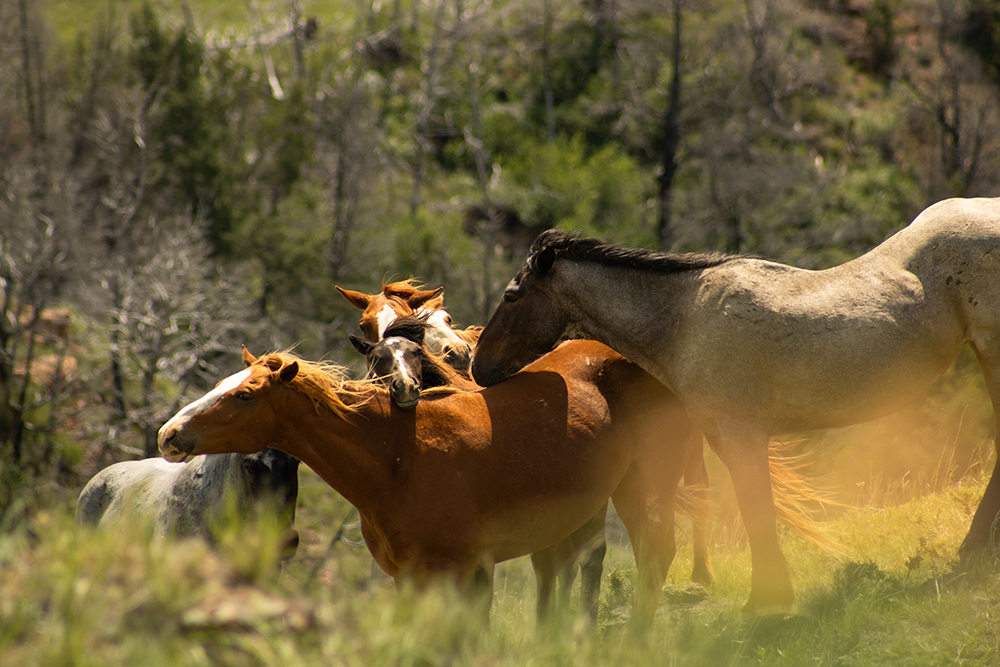
Men, protectors of the tribe, crafted bows from wood and sharp arrowheads from flint. At dawn, they mounted horses for long-distance trips, tracking and skillfully hunting large herds of bison. As evening came, elders gathered to discuss governance, culture and spirituality.
Indigenous people created a sophisticated economy, trading everything from dried corn and cured hides to bison meat and handcrafted tools.
Their spirit of self-reliance helped communities thrive and continues to influence Native Nations today.
A NEW NATION LOOKS WEST
Far from the plains in Philadelphia, 13 colonies adopted the Declaration of Independence on July 4, 1776. The next month, they finished signing the document, creating a new nation.
Decades later, the young country hungered to expand West. President Thomas Jefferson knew the Mississippi River and the port of New Orleans were critical in moving goods to global markets. Through negotiating with France in 1803, the United States bought roughly 828,000 square miles for $15 million – about 3 or 4 cents per acre – in the Louisiana Purchase, which included the Northern Plains.
Following the purchase, Jefferson launched the Corps of Discovery to explore the area. He called upon Meriwether Lewis and William Clark to lead the expedition. With a mission to survey the land, build relations with Native Nations and seek a route West, they arrived near the Mandan and Hidatsa villages in the winter of 1804-05. They hired interpreter Toussaint Charbonneau, who was joined by his Lemhi Shoshone wife, Sakakawea. Her knowledge of land, peoples and language proved invaluable to the mission.
The mission confirmed the Missouri River’s vital role in commerce. But devastation came with the development. In 1837, a smallpox epidemic killed an estimated 90% of the Mandan people. The following decades brought upheaval, with treaty violations, forced relocations and the confinement of Nations onto reservations, stripping away land and sovereignty.
Still, Indigenous Nations endured. They worked to preserve traditions and forge new alliances for cultural and economic survival.
HOMESTEADING AND THE DAKOTA BOOM
When Minnesota gained statehood in 1858, it left a triangle of unorganized land. Political tensions rose, prompting President James Buchanan to sign the Organic Act creating Dakota Territory in 1861 just two days before he left office.
The next year, President Abraham Lincoln signed the Homestead Act. Thousands of European immigrants crossed the ocean and traveled West by rail to a place they had never seen. Using dirt, twigs and grass, they built sod houses. They broke the tough prairie soil and established farms, expanding the agricultural economy.
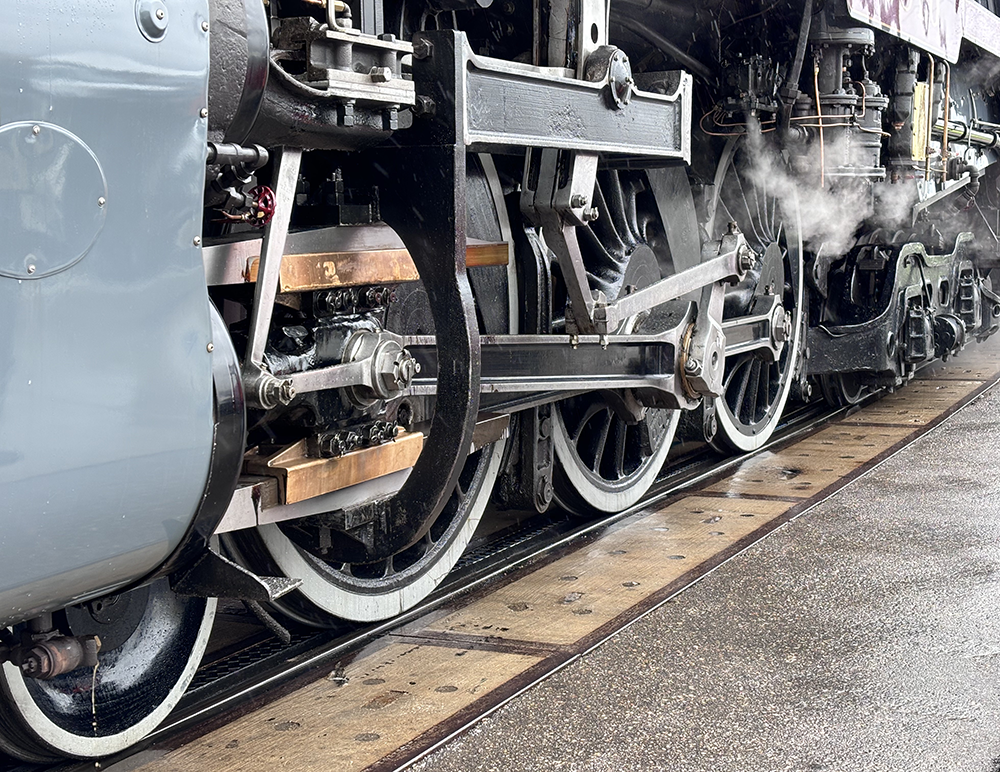
As the Northern Pacific Railway moved West, towns appeared almost overnight. Between 1878 and 1887 – known as the Dakota Boom – farms grew from about 1,700 to more than 50,000. Towns increased from just a handful to more than 300.
In 1883, Northern Pacific used its political influence to move the capital of Dakota Territory from Yankton to Bismarck.
Soon, settlements spread and military outposts formed. Growing communities gave way to schools and churches. Newspapers followed. All helped new settlers form connected societies.
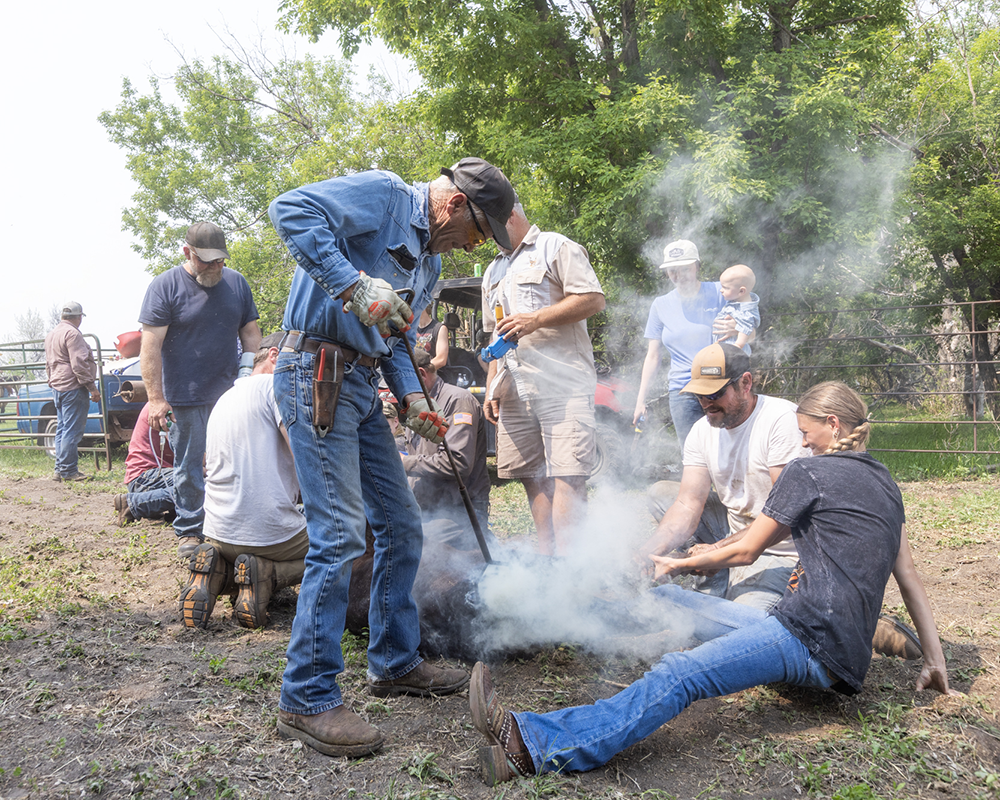
Then came the harsh winter of 1886-87. Blizzards with temperatures far below freezing killed more than 75% of the region’s livestock. Ranchers survived by adopting new techniques – fencing, winter feeding and improved herd management. In the Red River Valley, bonanza-style farms started one of the most productive wheat regions in the world. In time, the bonanza farms gave way to family-owned operations.
After years of debate, Congress divided Dakota Territory into North and South Dakota. Before signing statehood papers on Nov. 2, 1889, President Benjamin Harrison shuffled them so no one would know which state entered the Union first.
WHEN FARMERS ORGANIZED
As the new century began, a cooperative movement was born from hardship. Low crop prices, high freight rates and geographic isolation made it difficult for farmers to succeed on their own. By working together, they pooled resources, gained bargaining power and built organizations that served their communities.
In 1915, they created the Nonpartisan League (NPL) – a political movement built on collective strength.
Over the next few years, as the NPL gained power, farmers developed two state-owned institutions: the State Mill and Elevator and the Bank of North Dakota. In 1927, they formed a state chapter of the North Dakota Farmers Union. Organized cooperation took hold.
Still, hardship persisted. While the rest of the nation celebrated an economic boom during the 1920s, North Dakota was barely holding on. Collapsing wheat prices, drought and failing banks strained the state’s economy. Soon, the rest of the nation would follow.
BUILDING THROUGH COOPERATION
Bank failures, tariffs, droughts and the stock market crash of 1929 caused one of the worst economic declines in history – the Great Depression. It plunged many families into poverty. Finally, relief came through both federal programs and the determination of neighbors helping neighbors.
In 1933, President Franklin D. Roosevelt launched the New Deal, focused on unemployment, the economy and financial reform. The program created millions of jobs through public works.
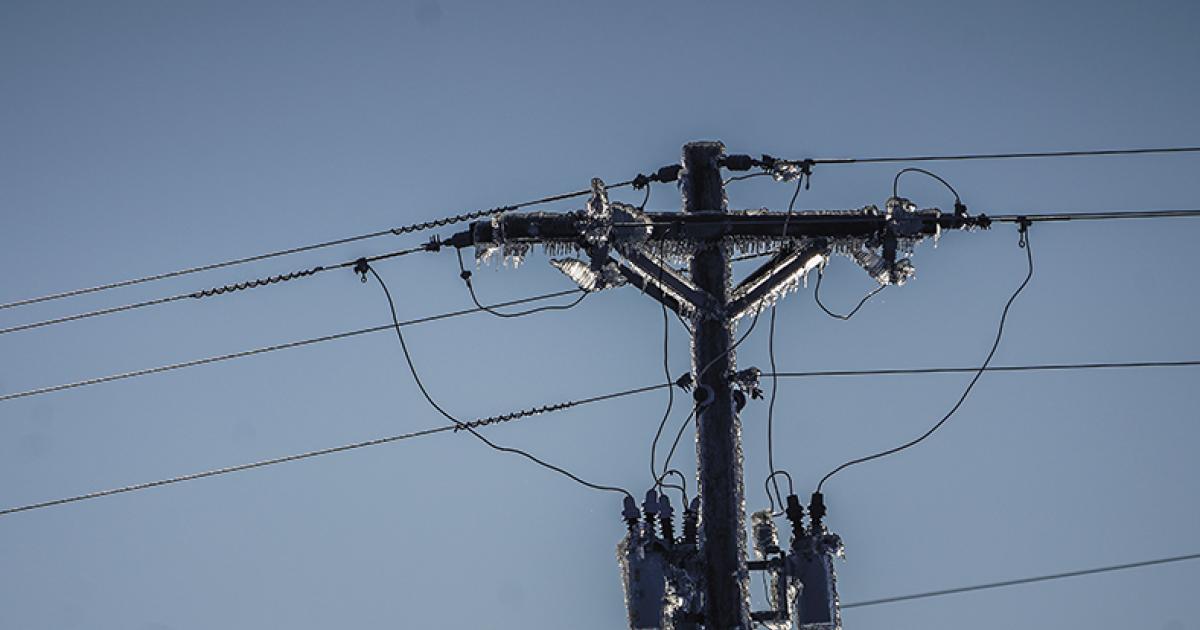
As part of the New Deal, the Rural Electrification Administration in 1935 began providing farmers with low-interest loans used to form electric cooperatives. People living in the country could now enjoy the same quality of life as their city cousins. Lights, running water and electric stoves added time and comfort to rural life.
In the 1940s, the same low-interest loans formed telephone cooperatives. Party lines connected people and removed isolation in rural areas.
Rural North Dakota, which private companies refused to connect to electricity because they couldn’t make a profit, connected itself.
By the mid-20th century, the Cold War led to the construction of Minot and Grand Forks Air Force Bases, turning vast farmlands into a strategic part of the nation’s nuclear deterrent, with B-52 bombers and underground missiles.
LEADING THROUGH INNOVATION
As earlier generations built cooperatives, railroads and rural communities, later generations found new ways to turn North Dakota’s natural resources into economic opportunity.
From the first oil well pumping in Tioga in 1951, major technological advancements unlocked the Bakken formation, ranking North Dakota among the nation’s leading oil producers.
In the decades that followed, North Dakotans continued to adapt and innovate. Lignite coal development and farmer-owned value-added businesses helped diversify the state's economy and create new opportunities for future generations.
Today, farmers lead the country in crops of spring wheat, durum, canola and flaxseed. The state’s beekeepers lead the nation in honey production.
Rural telephone cooperatives grew into America’s strongest broadband systems, connecting communities, bringing telemedicine to remote areas and equality in education.
Electric cooperatives – built on $5 and a handshake – developed a regional power network automating farms, scaling energy production and supporting local communities.
As the nation celebrates its 250th anniversary, North Dakota – built on cooperation and shaped by those who refused to let hardship have the final word – stands as proof of what a people can build together.
___
Clarice Kesler is the communications director for the North Dakota Association of Rural Electric Cooperatives, leading strategic communications including North Dakota Living, digital communications and media relations. She can be reached at ckesler@ndarec.com.