Why North Dakota doesn’t grow bananas and how farmers, small businesses could use your support
Photos by Kennedy DeLap
This year, the United States has used tariffs in unprecedented ways.
In an effort to incentivize producers and consumers to manufacture and buy products in the United States – among other goals related to political negotiations and curbing the drug trade – the United States has implemented sweeping tariffs around the globe. Some target entire countries instead of specific commodities, from as low as 10% to as high as 50%.
What’s the point of tariffs? How are North Dakotans affected?
Long story short: It is incredibly complicated, explains Frayne Olson, North Dakota State University crop economist/marketing specialist and director of the Quentin Burdick Center for Cooperatives.
Tariffs are taxes on goods, and a tool used in trading.
Olson breaks down trade with a scenario: North Dakota could start to grow bananas, farmers could build greenhouses, plant trees and start harvesting their fruit in a few years. But does it make sense? Of course not, Olson says. North Dakota is good at raising corn, wheat and soybeans. So, North Dakota exports its harvests and imports bananas.
Tariffs act as a valve to control imports and exports. The tariffs that have mostly been in the news are import tariffs – tariffs on goods the United States buys from other countries. The buyer of the product – not the country importing it – pays the import tariff.
If, for example, the United States puts a tariff on corn it imports from Mexico, the corn buyer pays the tariff to get it into the United States. Therefore, the cost of the imported corn is higher.
Olson says tariffs are being used in ways not seen “to this extent” before. Tariffs typically aim to change a behavior within a particular industry, and less commonly target specific countries.
“To my knowledge, this is the first time (tariffs have) been used for all products from a really broad base of countries,” Olson says.
The U.S. Constitution gives the authority to negotiate trade and implement tariffs to Congress, but over the years has extended that power to the executive branch for reasons of national defense, economic emergency and unfair trade practices. The current administration is using all three bases to implement the tariffs, and the U.S. Supreme Court is currently deciding if it has the power to do so – a decision that may not come for months.
 THE STRAW THAT BROKE THE CAMEL’S BACK
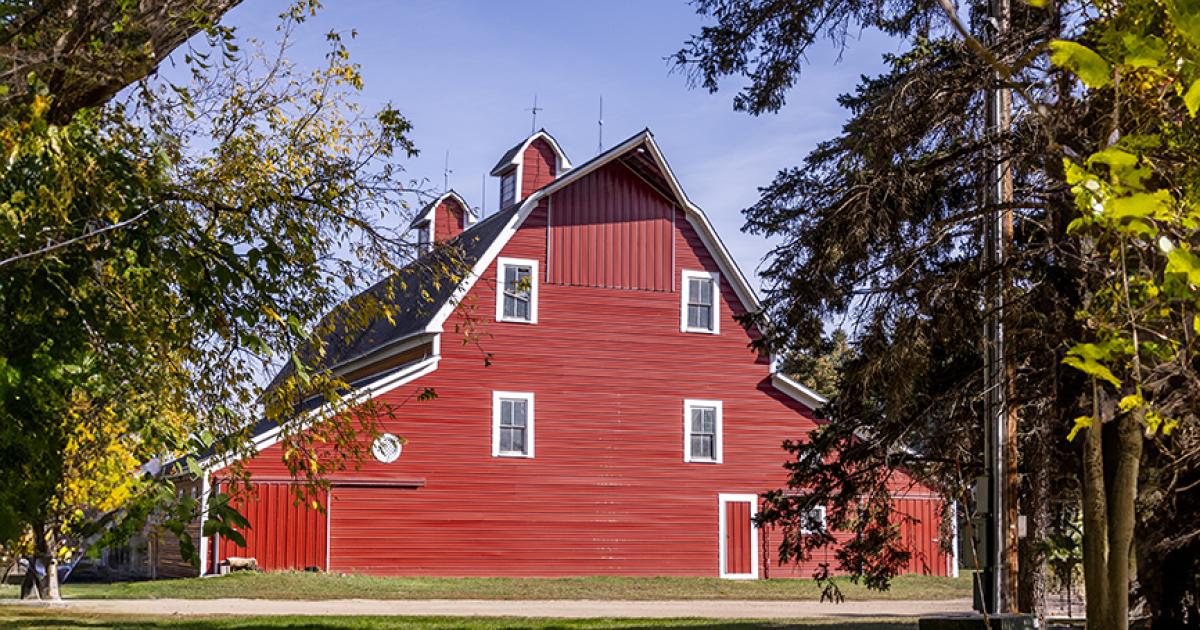
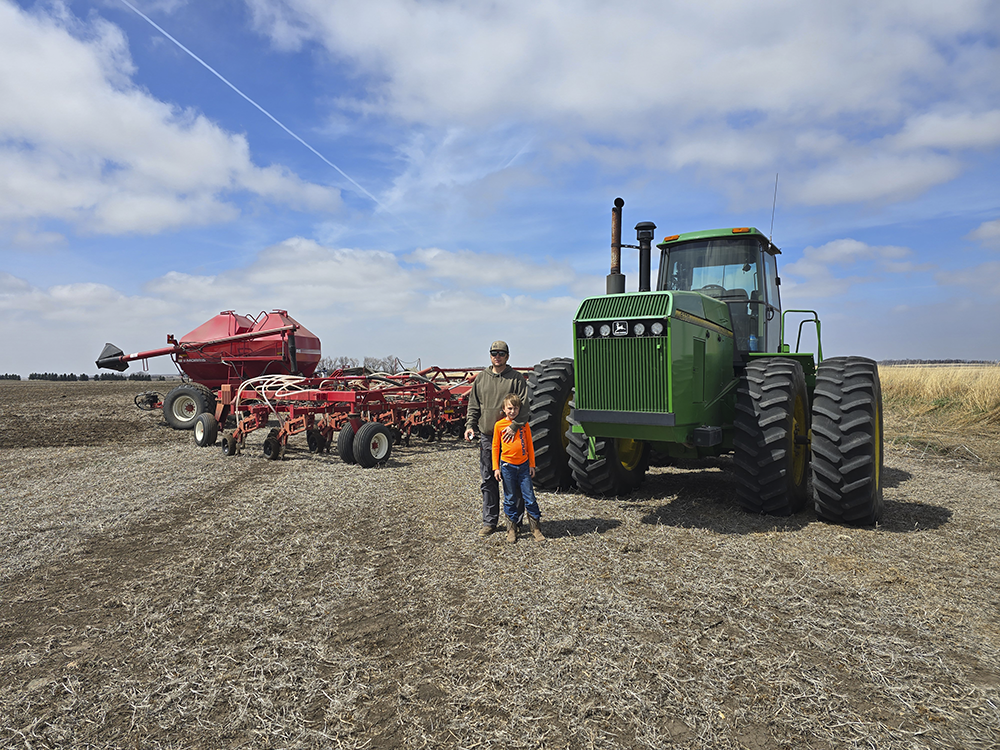
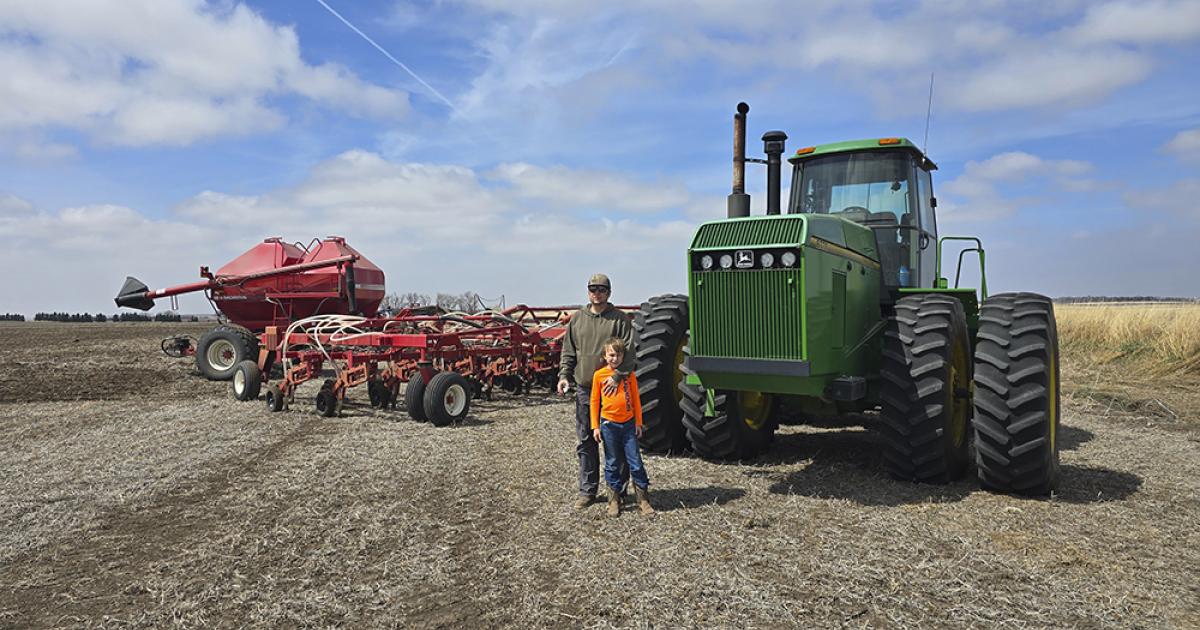
McLean Electric Cooperative member Tyler Stafslien operates a fourth-generation family farm near Makoti that was homestead by his family in 1912. He also serves on the North Dakota Farmers Union board of directors, is the mayor of Makoti, and is a father and husband.
Even before tariffs were in the picture, input costs over the last few years have exceeded what farmers are getting out of the ground, Stafslien says. The consolidation of companies selling fertilizer, chemicals and equipment makes it difficult for prices to stay competitive and for farmers to find cheaper ways to do their business.
“And then you get the trade war on top of those already low, low commodity prices and high inputs, and it's like the straw that broke the camel's back. It just made everything that much worse,” Stafslien says.
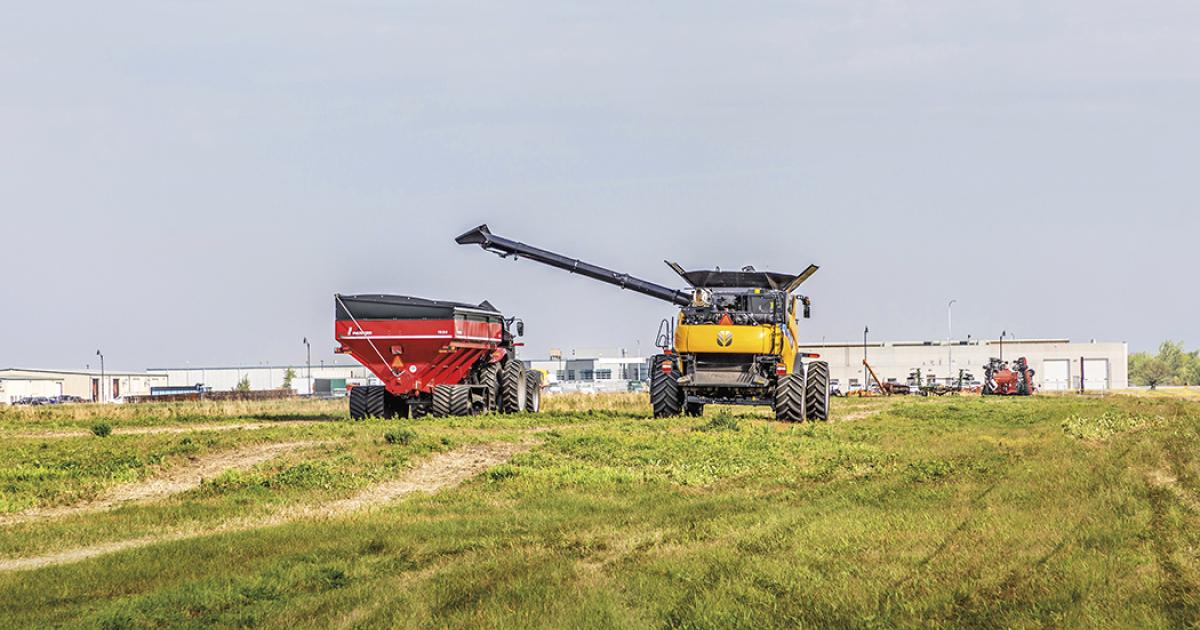
Nationally, 40% to 45% of U.S. soybeans are exported to China. For North Dakota, that number is closer to 70%.
When tariffs were imposed on China earlier this year, the country stopped buying soybeans from the United States. Mexico is the second leading buyer of U.S. soybeans, but still buys four times less than China. With a smaller market for U.S. soybeans and high yields across the nation, the price of soybeans dropped significantly.
In November, China agreed to a trade deal with the United States that would reopen its markets to U.S. soybeans. While good news, it’s too late for farmers like Stafslien.
Stafslien cut back on soybean production this year because of the looming trade war, but still planted some acres into soybeans. He also had to store other commodities, and the local elevators weren’t offering storage because of the uncertainty in the market, leaving him no choice but to sell his soybeans “way below” the cost of production.
“The margins are slim, so while it is great that a deal was reached with China, and supposedly they will come back to us for the beans – so we have seen a local price rally – but that doesn’t do anything for me and other farmers who were forced to sell them a month ago,” Stafslien says. “I had to sell for a much lower price than what was palatable to me.”
In addition, the price per bushel of soybeans has been dropping since 2022 – by more than $5 since 2022.
When one commodity falls, others tend to follow, Stafslien says.
It is a concerning situation for farmers, Olson says, who face cash-flow problems that make it more difficult to pay their bills.
“(Farmers) are very concerned… very, very worried right now. They want to see a resolution to this problem, these tariff issues, as soon as possible,” he says.
“The thing the general public can do to support us is really to pay attention to what is going on politically and to voice their opinions in support of a policy set in D.C. or in Bismarck that is supportive to American agriculture,” Stafslien says. “We are kind of divided in this country right now, and we shouldn’t be. Rural America farmers need to remember that the commodities we produce here help to feed the world, help to feed America, and we need the injection of capital that comes from the urban areas in the country, and in turn those areas need us to supply them the food, fuel and fibers that we produce here. So, I think we could all be better neighbors for each other and stop this kind of urban-rural divide and recognize the fact that we need one another.”
 FROM SOYBEANS TO COFFEE BEANS
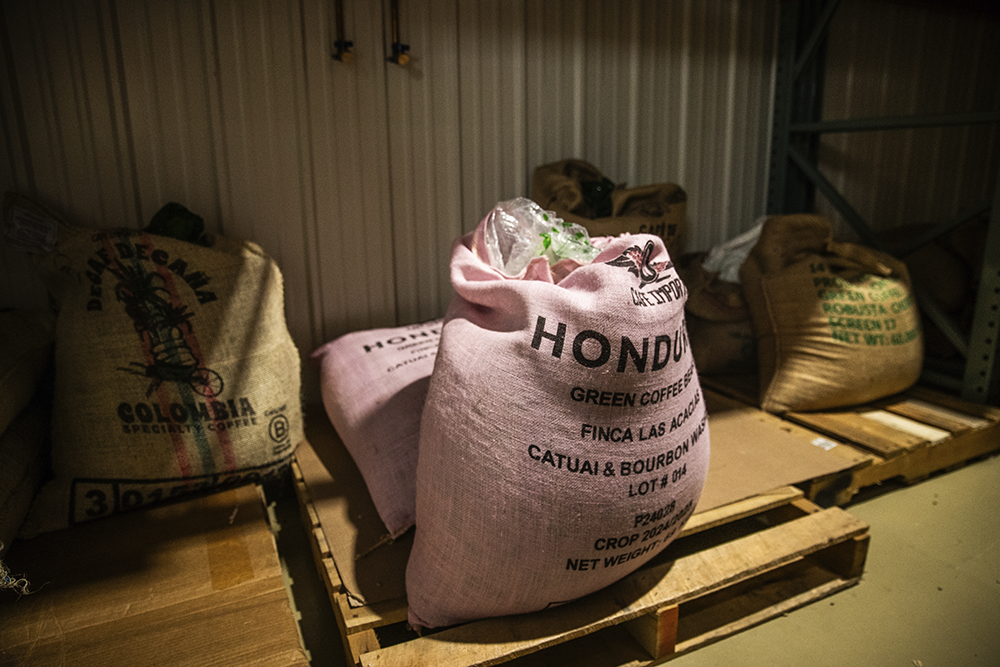
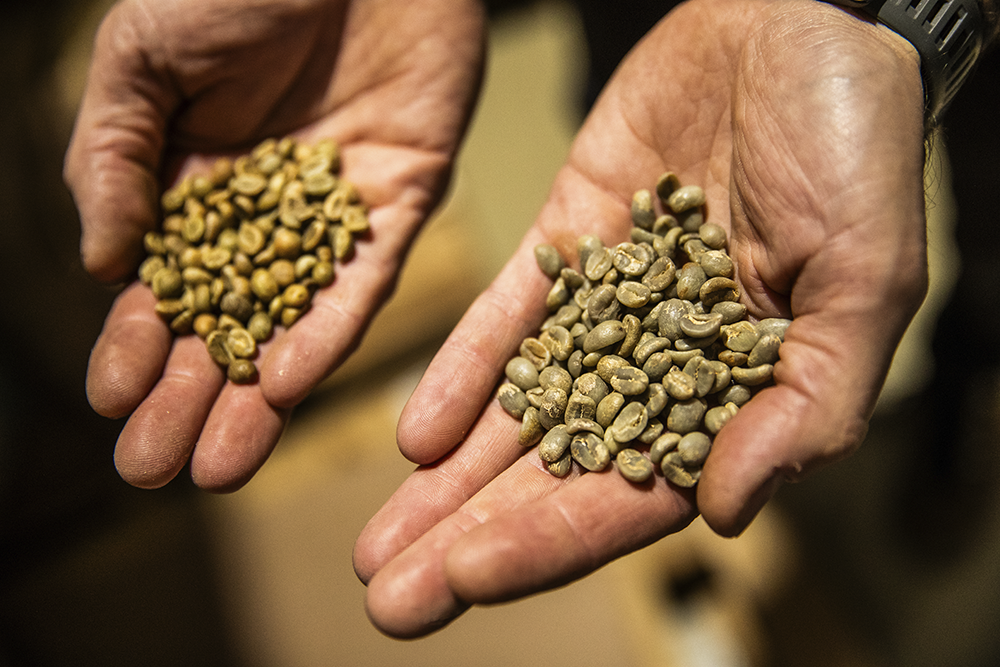
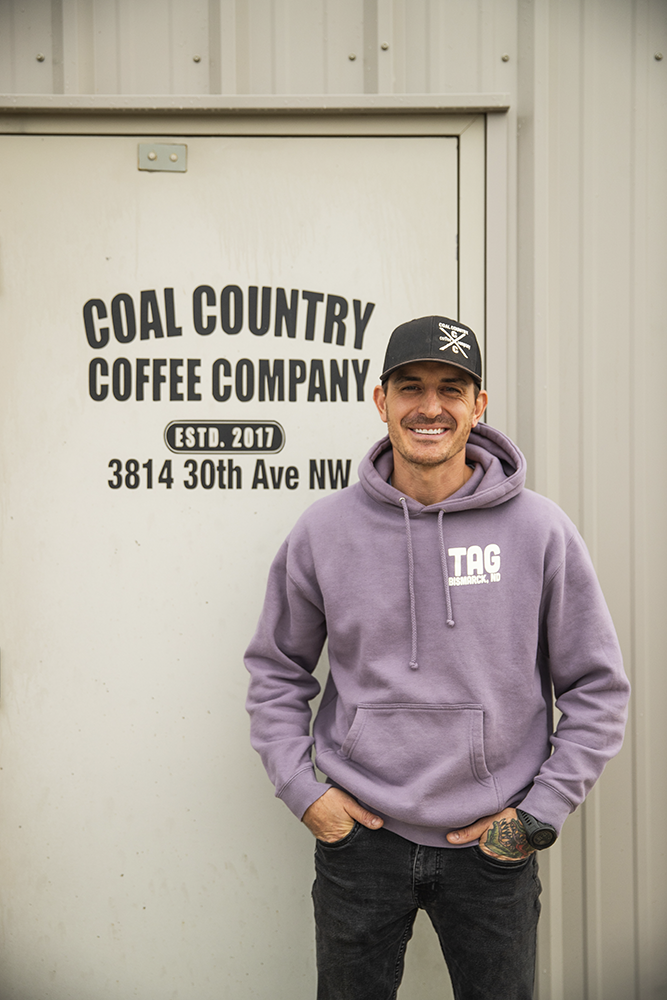
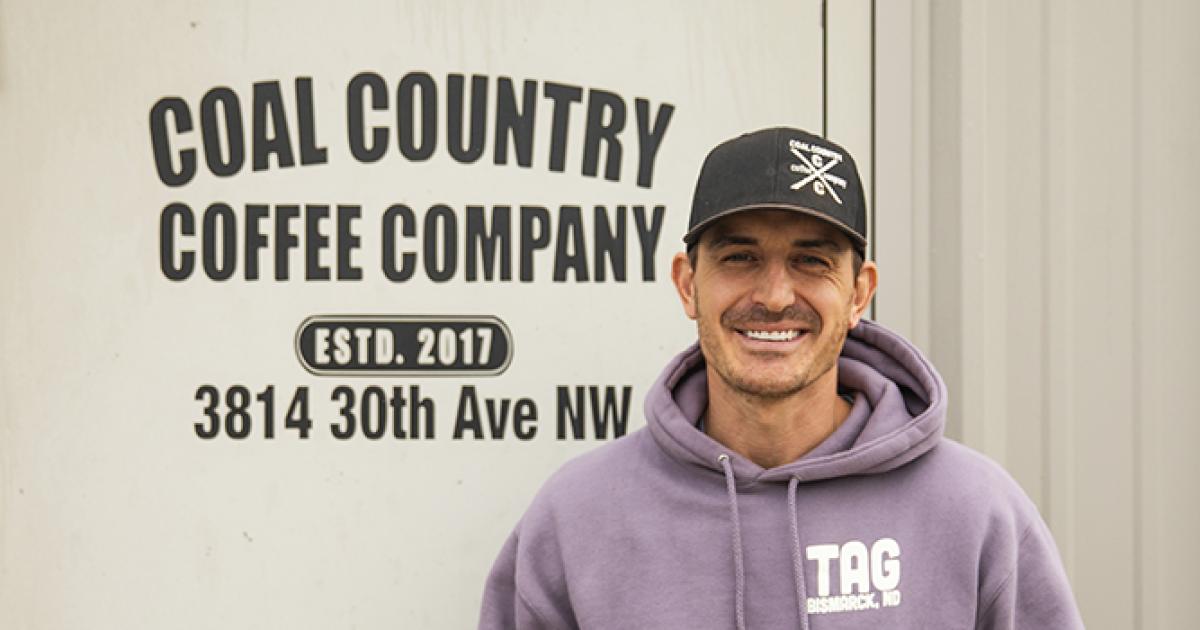
Travis Helfrich has worked at the Basin Electric Power Cooperative coal plant near Stanton since 2010 and founded Coal Country Coffee in 2017. Helfrich sells roasted coffee beans and grounds, sourced from producers in other countries, including Colombia, Costa Rica, Nicaragua, Brazil and more, to local coffeeshops and grocery stores in North Dakota.
Helfrich’s coffee brand prides itself on high quality and great taste, which Helfrich is not willing to give up as prices continue to rise.
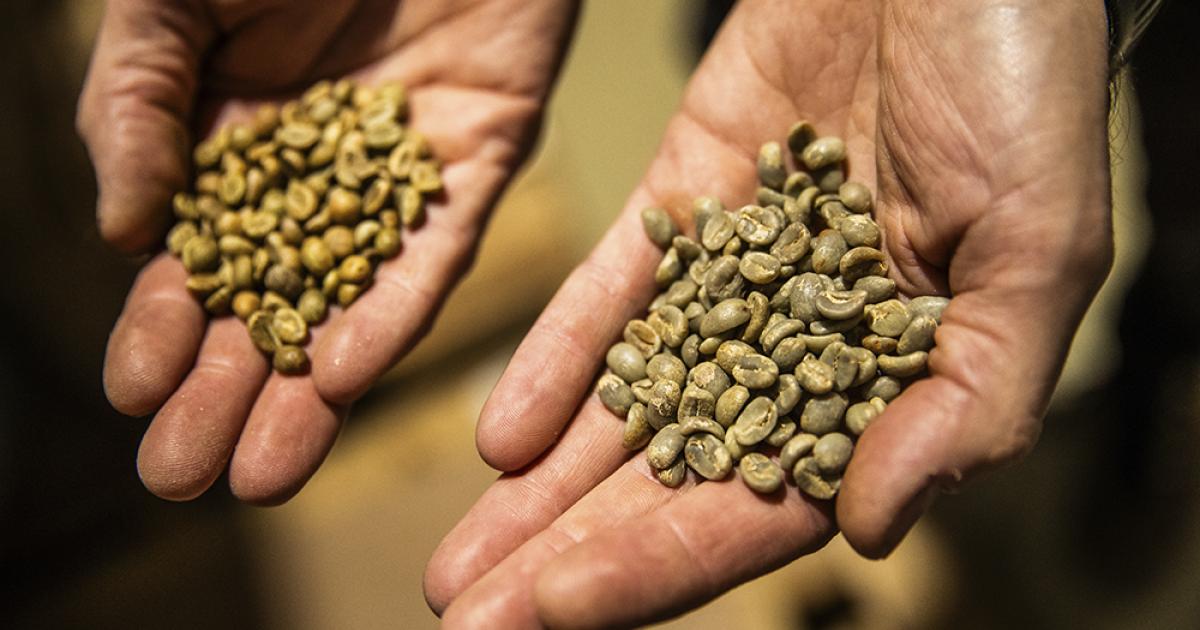
According to Helfrich, raw coffee beans have slowly increased in price since 2024 and spiked in January. From 2024 to today, the price of raw coffee beans has gone up 125%.
With already tight margins, Coal Country Coffee – for the first time – raised its wholesale coffee price in October. The company had absorbed the cost increases until that point.
“For (the coffeeshops that carry Helfrich’s product), we are trying to drag our feet and hold on as long as we can without doing coffee increases,” he says, noting the difficulty it creates for retailers to adjust menu prices.
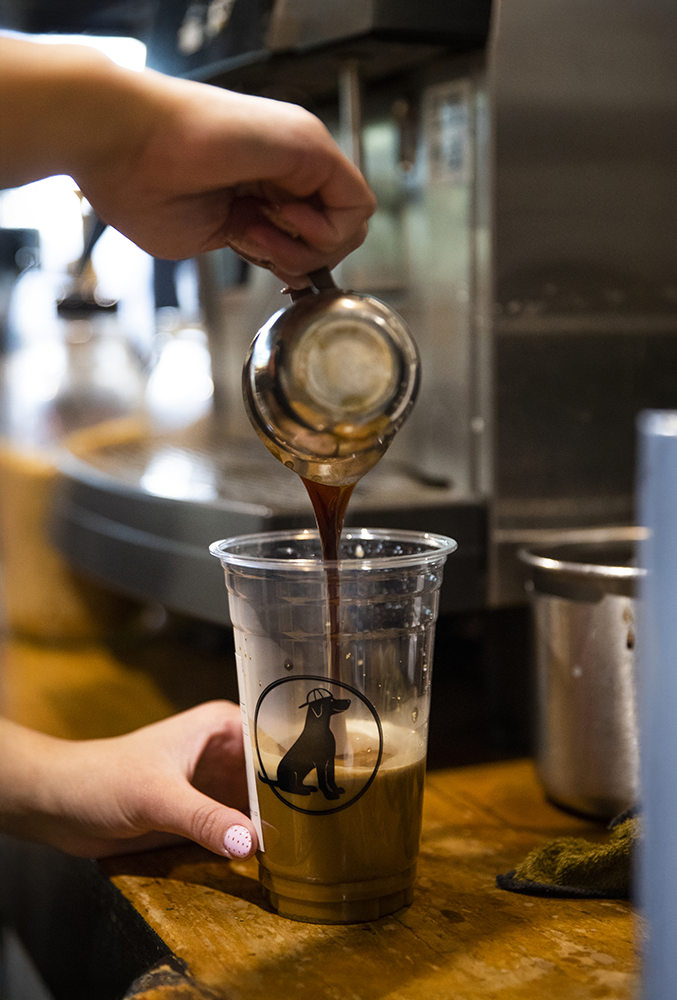
Coal Country Coffee sells product to Copper Dog Cafe in Mandan, where folks can stop for a latte or fried chicken and waffles. Co-owner Mike Kennedy says their family business has seen price increases over the years, but it is difficult to pinpoint the cause. Like so many, Kennedy wants customers to be able to come in and enjoy their products without worrying about money, and Copper Dog is trying to avoid price increases, too.
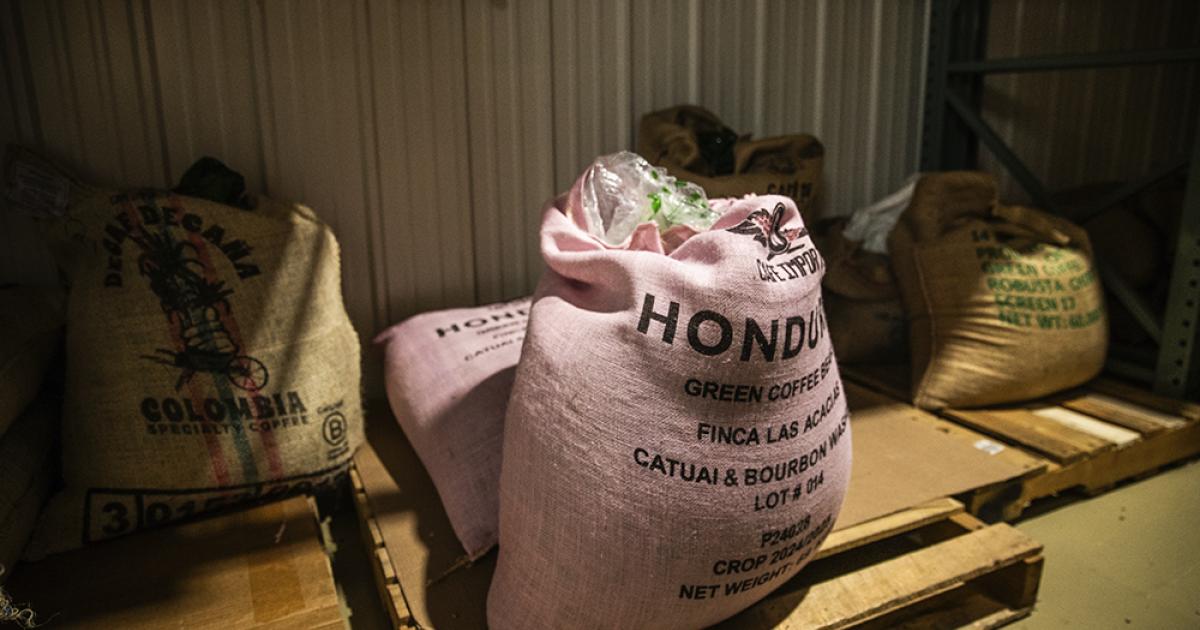
One importer Helfrich works with is Cafe Imports, based out of Minneapolis, which sources raw coffee beans for quality-focused roasters around the world. According to Chief Operating Officer and Partner Noah Namowicz, Cafe Imports had to pay tariffs on raw coffee beans in April for the first time in the company’s existence.
Because coffee beans are not produced domestically at scale, America relies on other countries for its caffeine fix.
Say Cafe Imports, for example, purchases 40,000 pounds of coffee beans from Colombia. At $5 per pound, the beans will cost $200,000, but there is a 10% tariff on all Colombian products. So, Cafe Imports receives an invoice for $20,000 from U.S. Customs and Border Protection. The company then wires the money to the customs agency to clear the coffee. The importer, Cafe Imports in this case, pays the tariff.
This has forced companies like Cafe Imports to increase prices, thereby passing tariff costs onto customers like Helfrich.
“You can’t afford to just eat or not charge that 10%, because you’ll go out of business. So, it's just a straight pass-through to roasters,” Namowicz says. “It's an unprecedented time. Every coffee is the most expensive right now it's ever been. The importing world, it's like our margins are so thin, it’s like picking up pennies in front of a bulldozer.”
This isn’t a politically divided or charged issue, Namowicz adds. Most Americans drink coffee, and it’s simply not feasible to produce enough coffee in the United States – or grow bananas in North Dakota.
Tariffs aren’t solely to blame, Helfrich says, with weather impacting yields and less overall product as well.
“I just hope that, for the time being, these companies can hold on, because it's going to weed some out for sure,” Helfrich says.
“What customers can do during this time is find your local coffeeshop, buy a bag or two of coffee from them, or go out of their way to support them, because everyone’s really struggling in our industry right now,” Namowicz says.
 THIS CHRISTMAS, HEAD TO MAIN STREET
For main street small businesses across North Dakota, Christmas is their “harvest season,” says Mike Rud, president of the N.D. Retailers Association, and trouble lies in the economic uncertainty.
“Whenever you get volatile situations (in the economy) like this with these tariffs, it impacts the cost of doing business,” Rud says. “You could see delays, and it is a lot harder for small businesses to weather those kinds of storms.”
When there is economic uncertainty, customers may start to “pull their horns in and save money,” Rud says, “and we are starting to see that.”
“Uncertainty scares everybody off. It scares the businessperson. It scares the consumer,” he says.
Rud acknowledges it is still early, and some of the effects will not be seen until more time passes. But already, he says, the cost of doing business has increased tremendously the past several years with record inflation, which certainly plays a role.
“Until this whole issue is settled, it’s going to be up in the air regardless. … You know, I tell my friends all of the time, we are going to go up the mountaintop or we are going to go off the cliff,” Rud says.
The question becomes, Olson says, how will people respond?
“What I think is going to happen is people are going to start to prioritize what things they really need,” Olson says. “For some people, Christmas is going to be a little tougher this year. I know everybody is in a little different position.”
Rud sees the entrepreneurial spirit of the small business owner and hopes to keep them optimistic.
His own family has been in the petroleum business for 112 years.
“You don't survive all those ups and downs unless you got some fight to you, and I don't doubt that the folks we represent have fight,” he says.
Every business, every North Dakotan, will feel the effects of tariffs differently, whether you import clothes for your boutique, harvest soybeans or enjoy your morning cup of coffee.
As the ag harvest turns to the “Christmas harvest,” Rud reminds North Dakotans to look locally this holiday season.
“When you shop locally, you are helping a family put their kid in baseball or supporting a young entrepreneur who took a huge leap of faith in themselves to create something for our community,” Kennedy says. “It is so important to keep our small businesses alive and well because of the community impact. Your local dollars, spent locally, recycle into your community.”
___
Kennedy DeLap is interning with North Dakota Living. She can be reached at kdelap@ndarec.com