Program helps seniors stay connected, stay independent and stay in their communities
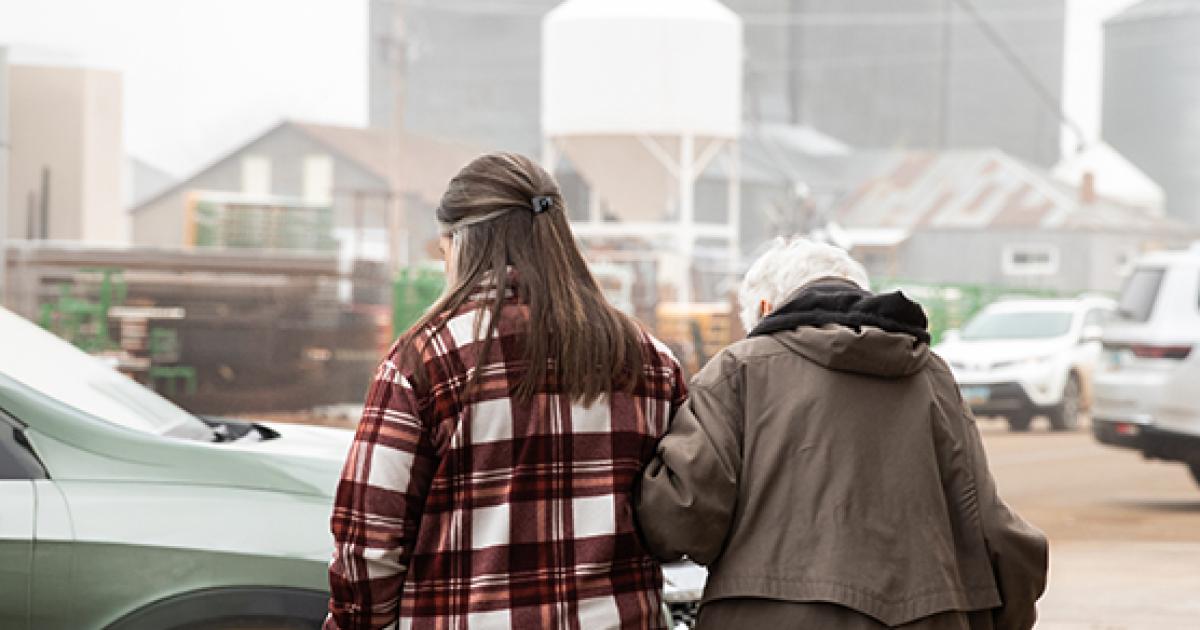
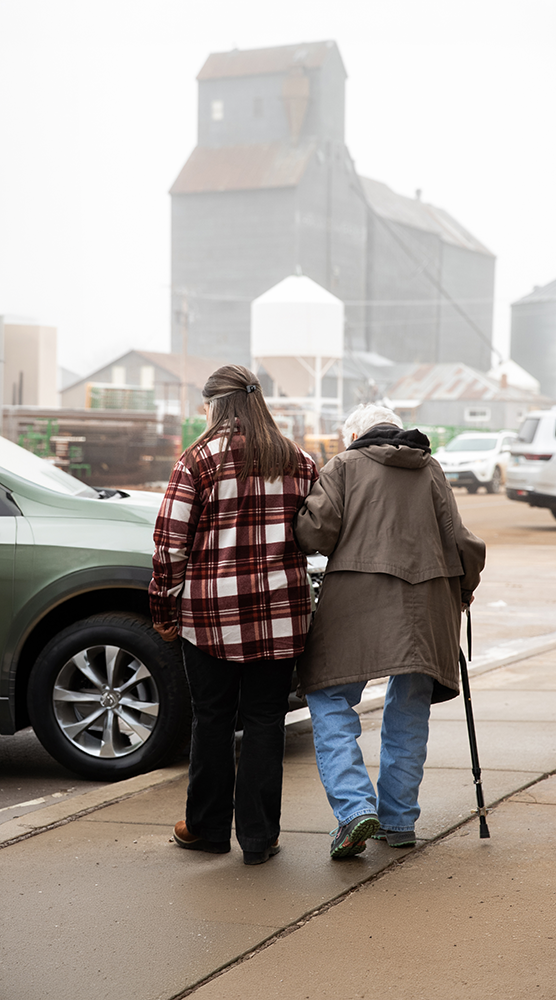
Andi Diaz Gonzalez walks 95-year-old Leona Staiger to her vehicle in Hebron. Staiger continues to drive in town thanks to eyeglasses the Aging in Community program helped her acquire.
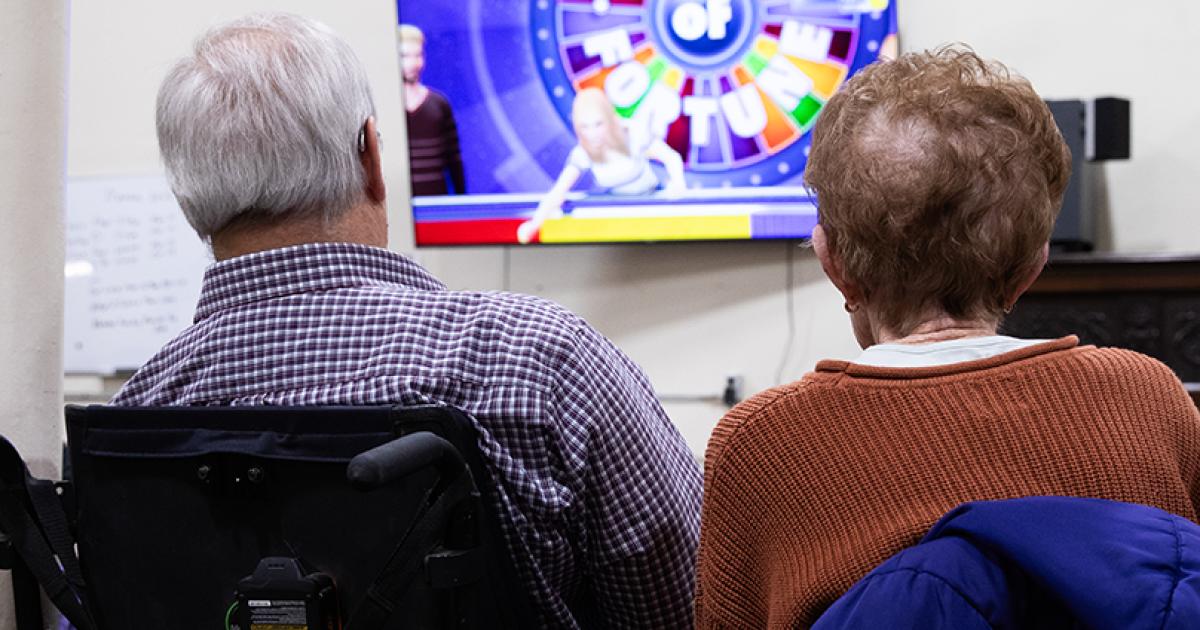
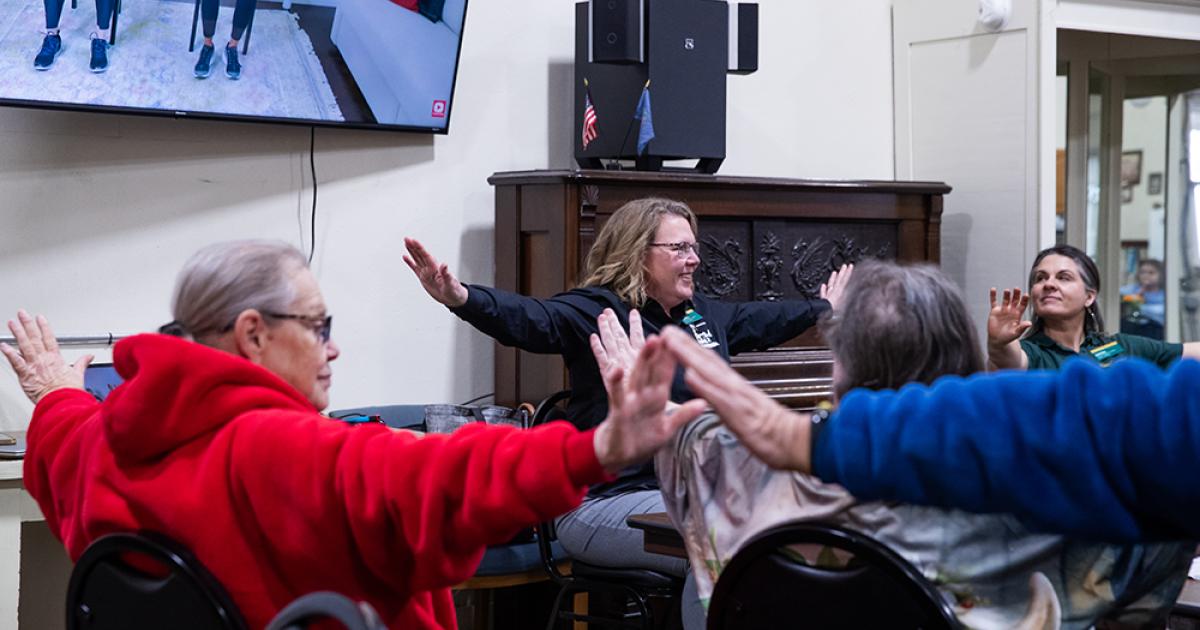
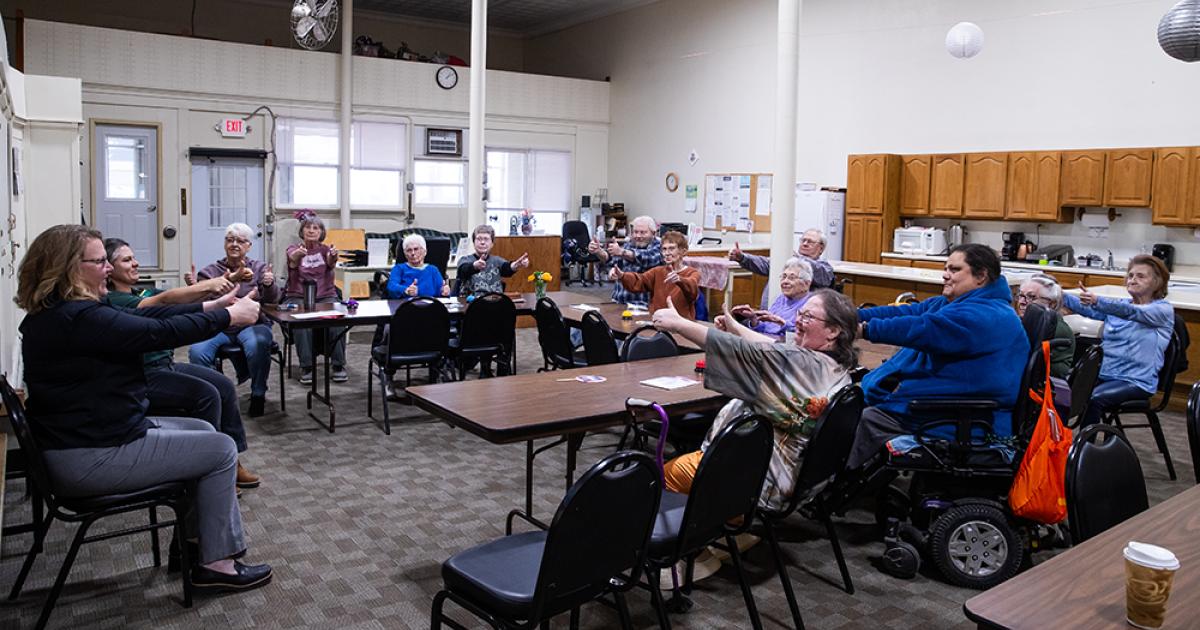
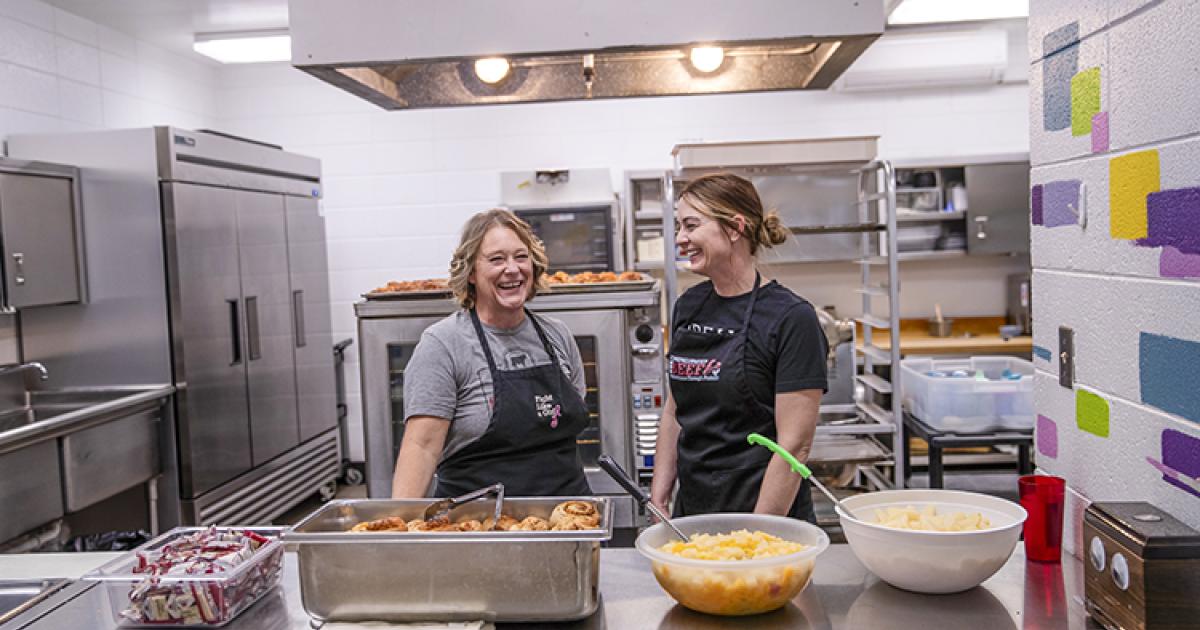
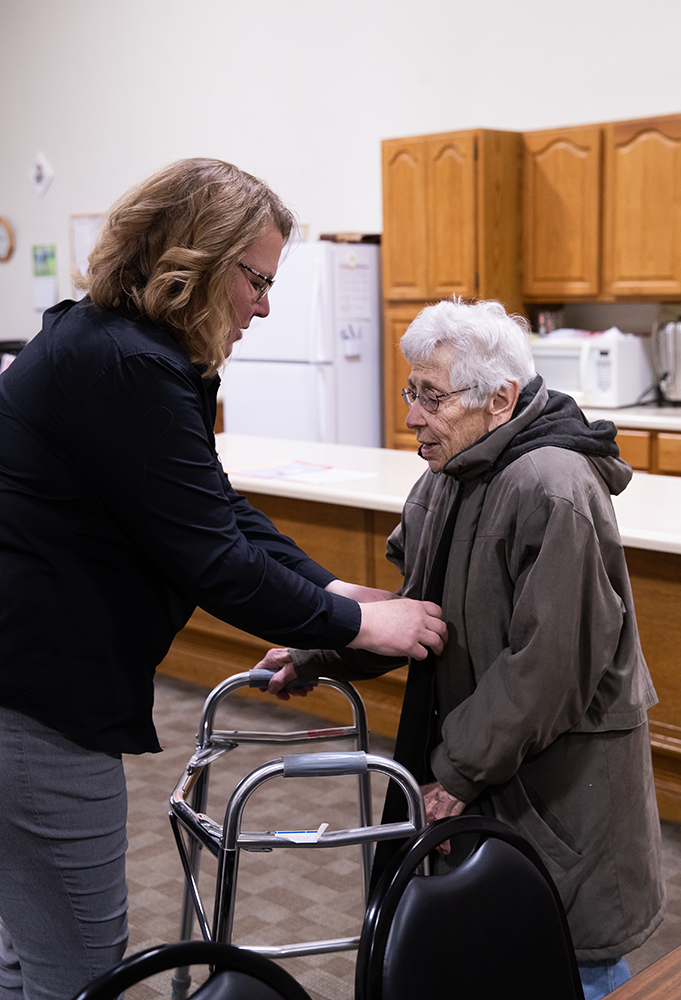
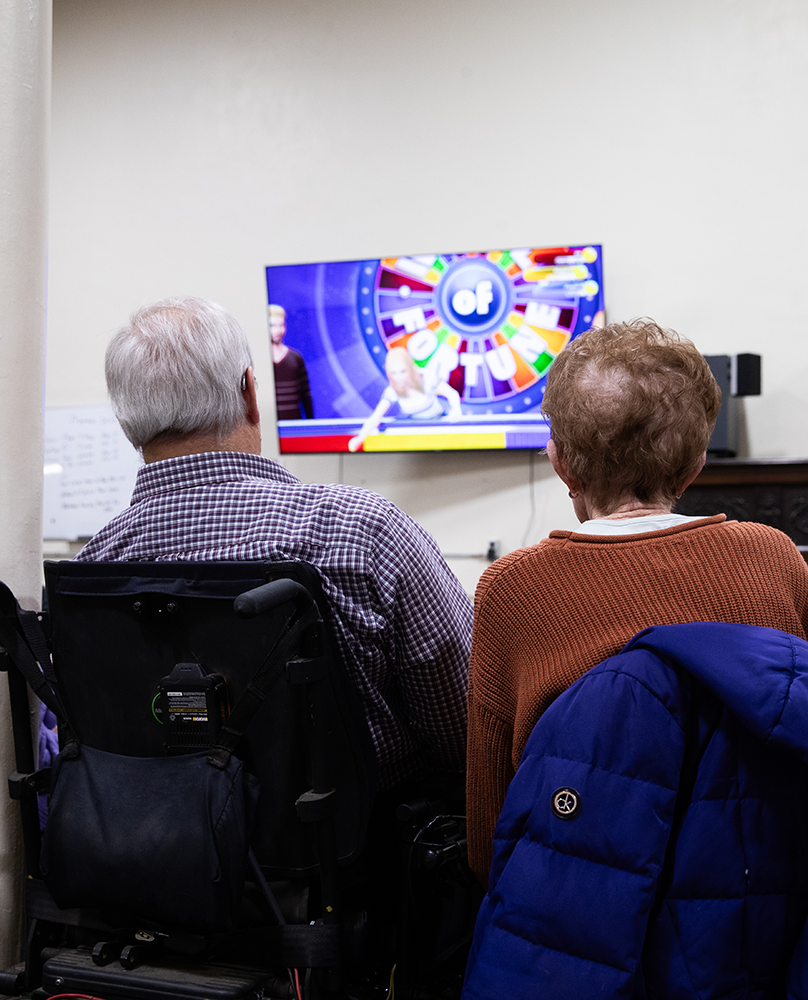
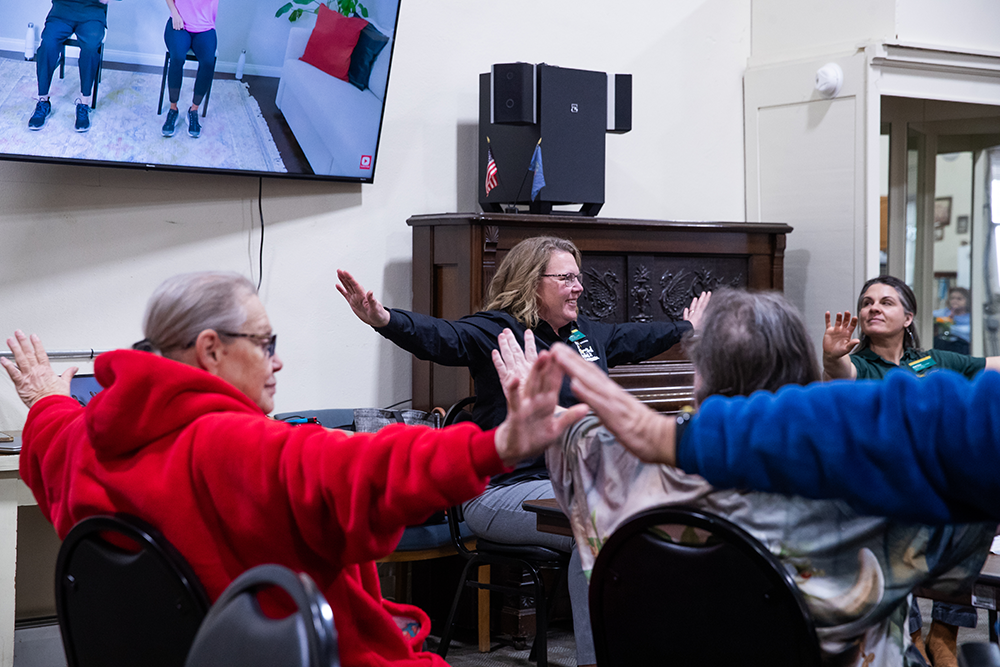
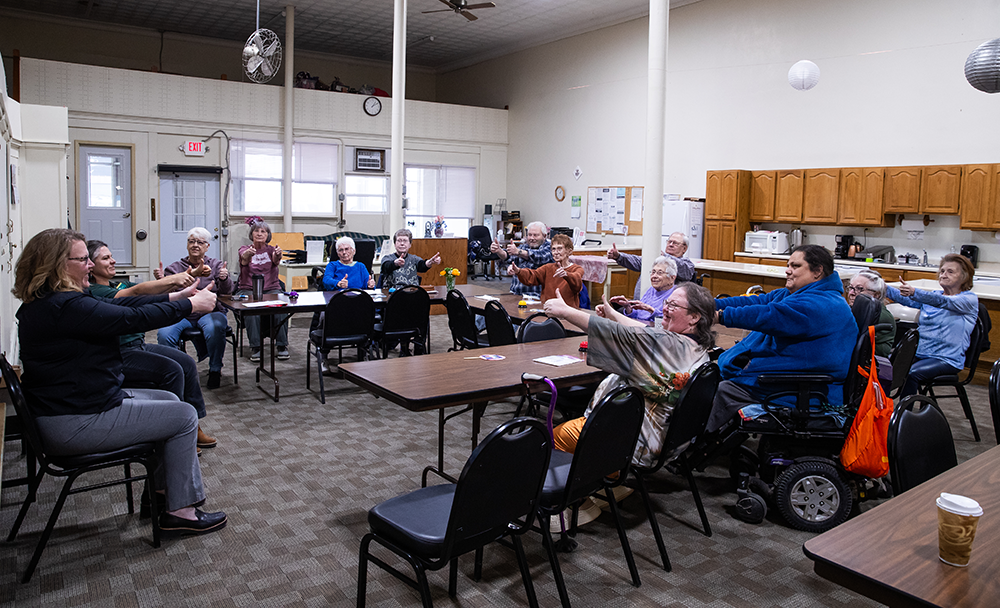
At the senior center in Hebron, 12 aging community members sit around a television. Caramel rolls and coffee, puzzles and magazines set on the table behind them. They follow exercise commands from an online video – some in light-hearted protest – then play along with “Wheel of Fortune” (the real reason they are there).
Kyla Sanders, the program coordinator for NDSU Extension’s Aging in Community Project in the western Morton County area, knows all of them and their stories by heart.
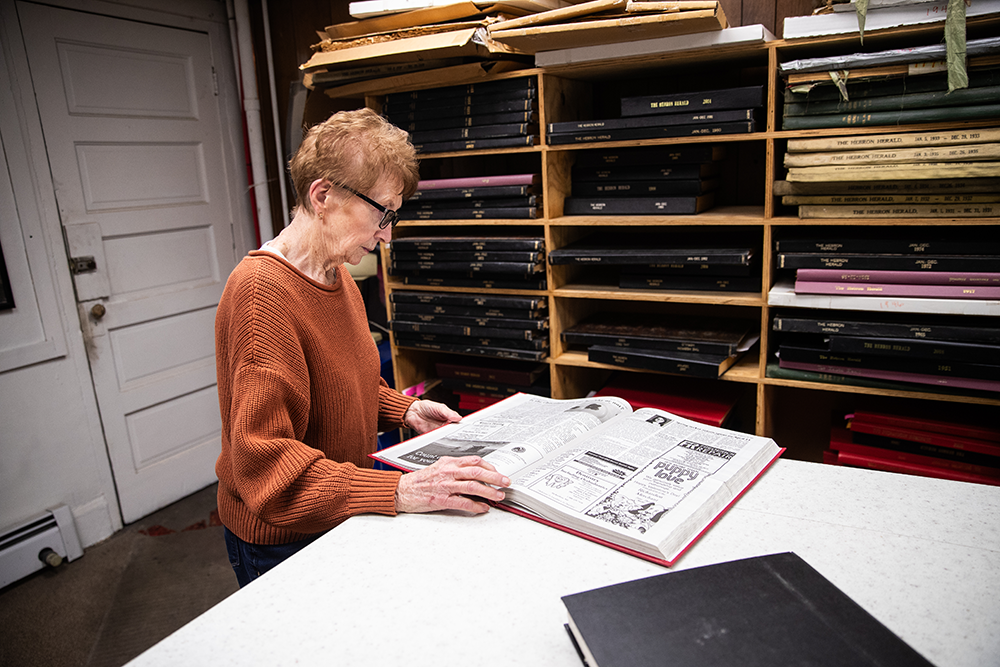
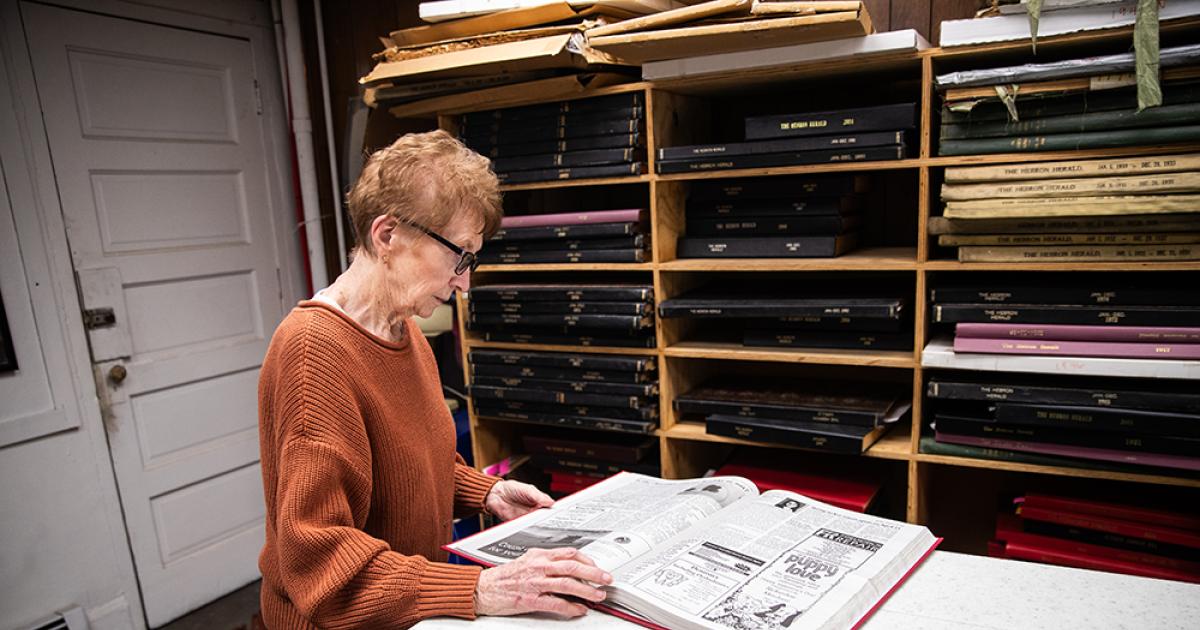
Lynda Hoerauf is 96 and a nurse practitioner. Jane Brandt is 85 years old, the editor of the local newspaper, the Hebron Herald, and owns the Richardton newspaper. Jerry Badger managed the rendering plant in town for years before retiring, and Bonnie Heinle was the bookkeeper at the local elevator. The others – Sharon, Judy, Lester, Diana, Nikki and more – each have a story and a reason for being there.
“Every one of our clients has a story, and when we hear and see these stories, it is a lot easier to know how to help them individually,” Sanders says.
“Cast-iron skillet!” yells a player, and the “Wheel of Fortune” puzzle is solved.
GREATER CHALLENGES, LESS RESOURCES
These senior activities are part of the Western Morton County Aging in Community program Sanders coordinates for NDSU Extension. It is one of two program sites in the state, with the other in Lisbon. The program’s focus is helping aging adults in rural North Dakota stay in their homes longer, delaying nursing home entry, and improving independence and quality of life.
While the goal may be simple, reaching it is more complicated, Sanders says.
In rural North Dakota, there are many challenges when it comes to aging – less resources that promote wellness, greater travel for medical appointments and more distance between family and neighbors. Aging in Community looks at what aging adults in specific communities need and tries to fill those gaps.
“There are less resources in a rural setting, and community is probably a bigger part of everyone's lives,” Sanders says.
Sanders, like many people, was not aware of the breadth of the problem until she watched her own grandparents begin to need more assistance to stay on their rural farm in eastern Montana.
“I just realized how very difficult it was to find those resources in those very rural places,” Sanders says.
Now, as program coordinator, she sees it even more clearly.
“When I started, I thought… there is a great need that I was completely ignorant of. I had no idea what those needs were,” Sanders says.
Aging in Community focuses on five pillars: wellness, housing, finances, transportation and community. It provides education about nutrition, medication management and healthy decision making, helps residents have safe and appropriate housing, and assists with Medicaid, private insurance and fiscal stability, including food support through various programs. The program collaborates with local services, including West River Transit in Hebron and the Glen Ullin city bus, to help residents get to medical appointments in other cities or to and from daily activities. And, it helps residents connect with their neighbors and other community members. In addition to the social benefits, neighbors in rural communities are often the ones who make well-being checks and look out for the participants.
Connecting seniors to these resources can make life easier and keep them living independently in their homes and communities.
Between 2019 and 2029, North Dakota’s 65-plus population is predicted to increase by over 30%. Many of these residents live in rural areas and would benefit from programs such as Aging in Community. The median age for those currently involved in the program is 88 years old.
The program is working to be implemented in Hettinger and Ellendale, with hopes to continue expansion into eight additional counties as well.
SUPPORTING INDEPENDENCE, SAVING MONEY
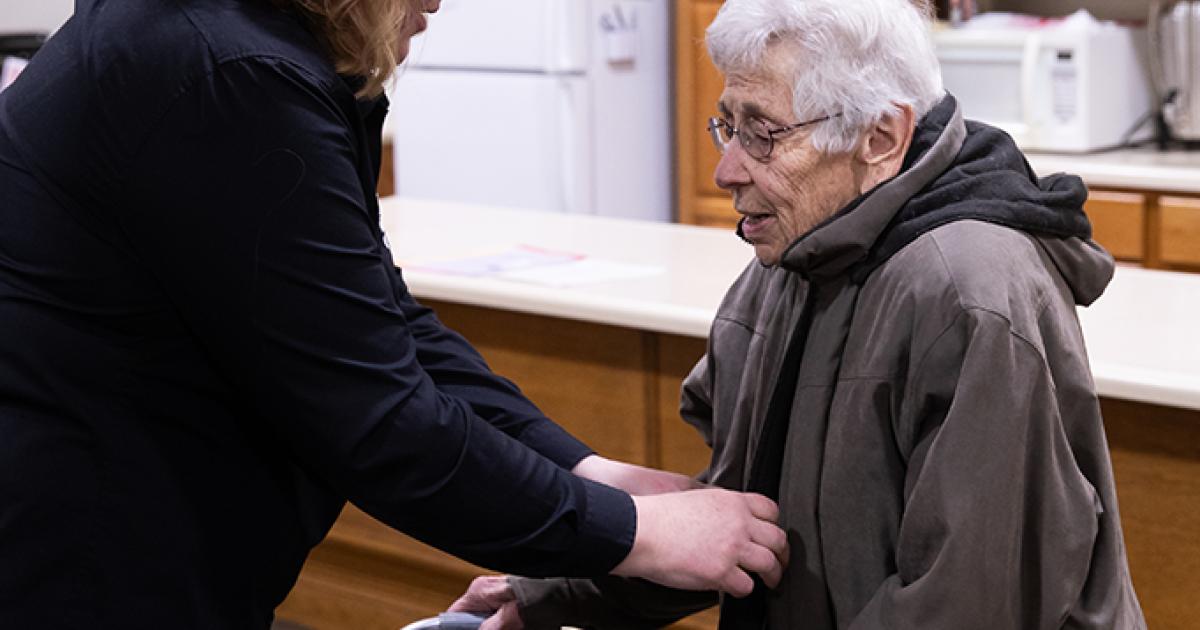
Leona Staiger is 95 years old and still lives in her one-story home in Hebron. She drives in town, to church, the post office, the senior center for Aging in Community events and to Saturday coffee. She’s still able to do so because Sanders and the Aging in Community program helped her get glasses, including anti-glare glasses for sunny days, at no cost.
Staiger says she enjoys getting out and socializing.
“I enjoy visiting,” she says.
Stories like Staiger’s are what Aging in Community is all about. It’s about supporting independence and connecting older adults with resources that allow them to still do the things they enjoy.
According to Jane Strommen, program director for Aging in Community, surveys have shown aging adults want to stay in their homes and communities as they age.
“It is a place where they are comfortable, and there are ties and a sense of community, a sense of place for them,” she says. “For their quality of life, if it is where they want to be, how do we help them do that?”
Seniors and older adults in North Dakota wanting to stay in their homes is enough reason for Aging in Community to help these rural communities, but it is also a matter of finances. When nursing home entry is delayed, it saves the state and taxpayers large amounts of money, as well as the aging adults themselves, Strommen says.
WORTH IT
According to an Aging in Community participant survey, 92% of participants say they feel more connected to resources in their community, 85% feel more confident at home and 78% say their quality of life has improved.
Nearly 1,000 aging adults have been reached through Aging in Community events in 2025 and over 17,000 miles have been driven by transit services for participants. The hope is these numbers continue to rise.
It is not always an easy job, Sanders says. In the past six months, 15 older adults involved in the program died.
But getting to help them stay in their homes and communities longer, to live out their lives where they desire to, and hopefully making their later years a little brighter makes it all worth it.
Questions or want to get involved? Contact Jane Strommen at jane.strommen@ndsu.edu.
___
Kennedy DeLap writes and photographs for North Dakota Living. She can be reached at kdelap@ndarec.com.