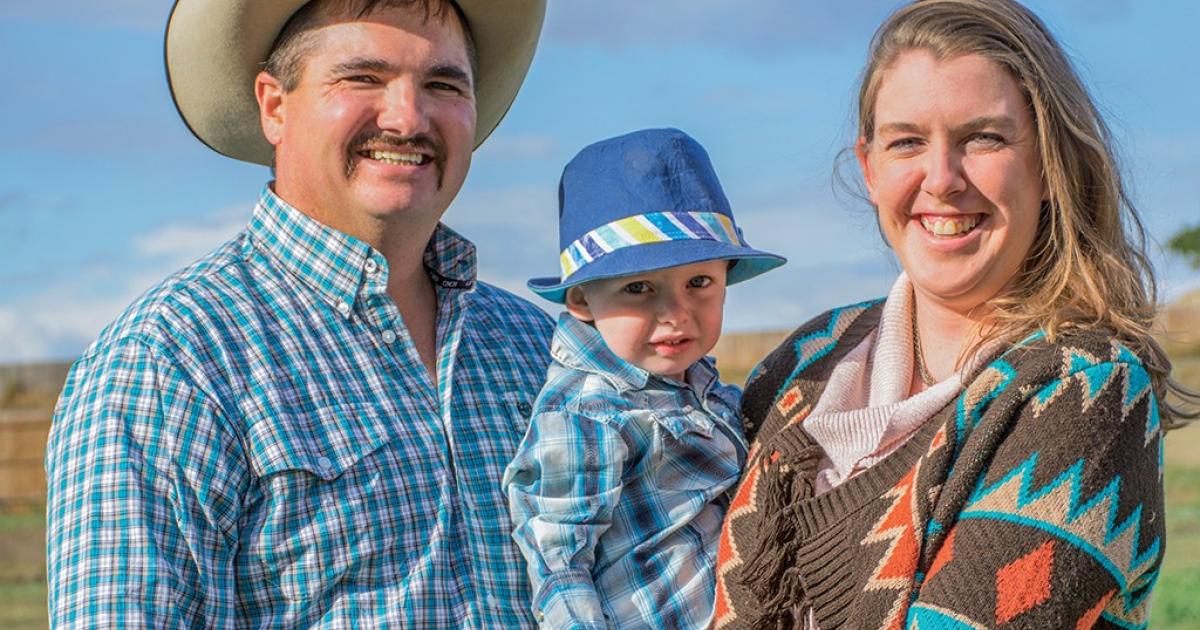

Then, customers began asking about the benefits of the ProBiotein product for human consumption.
“So, we got pulled into that different area of the market,” Jordan says. The Food First test kitchen began in a former Dairy Queen building in Walhalla. By 2017, Food First’s ProBiotein plant began operations as a food-grade facility in Walhalla, producing ProBiotein powder and MicroBiome Bars which use ProBiotein as an ingredient.
Luann Dart

But she sees students struggling with coping with COVID-19, she says, and all it entails.
“We’ve definitely seen a rollercoaster of emotions. We’ve seen a lot of anxiety, some depression. They’re definitely needing mental health counseling,” she says.
Within the SVSEU, some students share their concerns with in-school counseling teams, while some need additional referral to community therapists. Some schools have even contracted with licensed counselors to come into the school, so families don’t have to take additional time away from work or school.

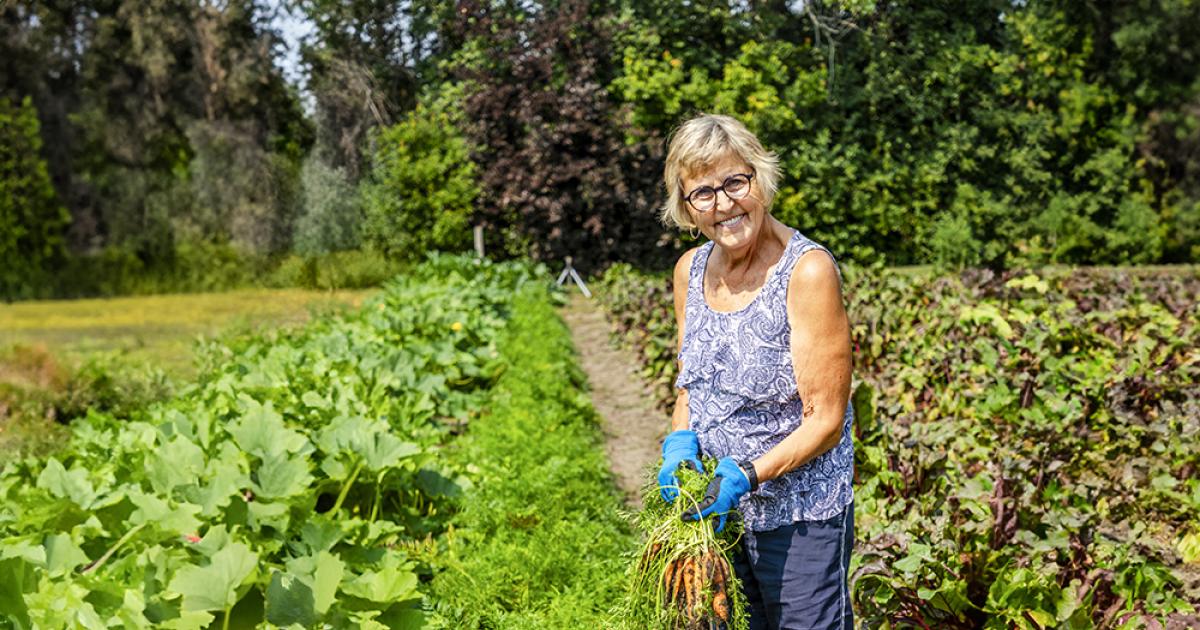
“Christine became seriously ill after inhaling strong fumes rising from a bag of decorative wood chips that she had opened to use in the Gillund’s yard. This poisoning resulted in severe and lasting health problems for Christine, which left her unable to use commercial products containing perfumes, solvents, pesticides and a bevy of other synthetic chemical ingredients. This poisoning also caused Christine to be unable to leave the family farm,” the company website says, sharing Christine’s story.
For the next three years, Christine described herself as being in a fog.

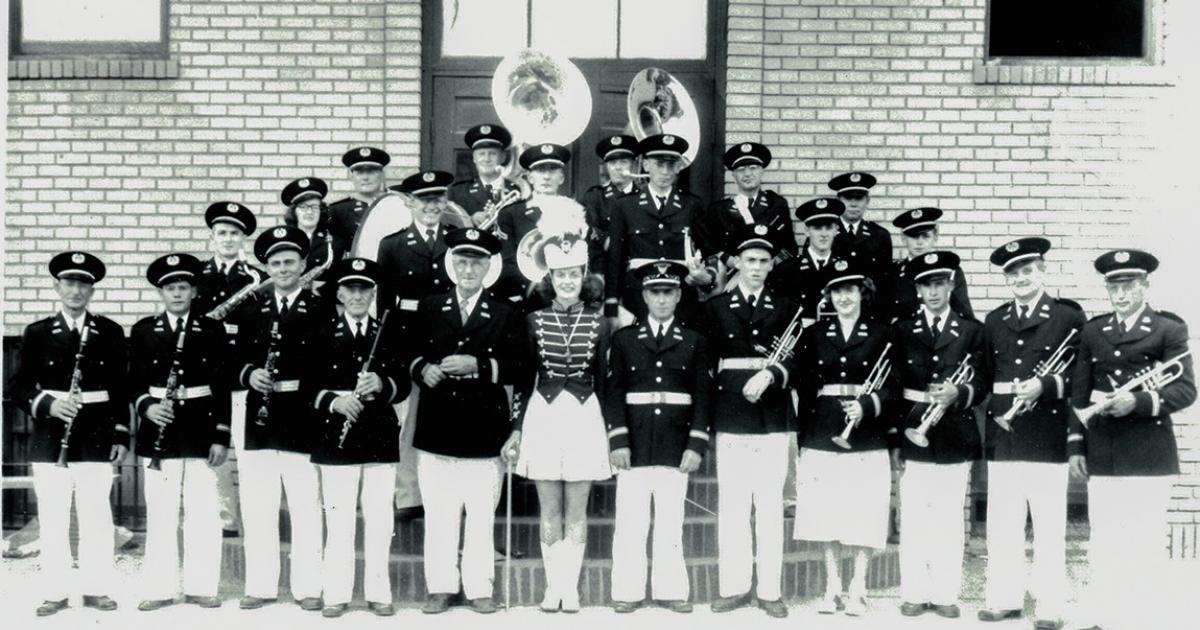
Formed in 1895, a mention of the city band was found in a Feb. 17, 1898, Kulm newspaper by local historian Jeff Malm. The article was about three Kulm men, Frank Coon, John H. George and Fred Buechler, leaving on the train for the gold fields of the Alaskan Klondike. It read: “Half the population of Kulm turned out and attended the boys to the depot and the band, of which Buechler was a member, discoursed inspiring music to give them heart for their enterprise.”
And band members have been playing with their hearts ever since.
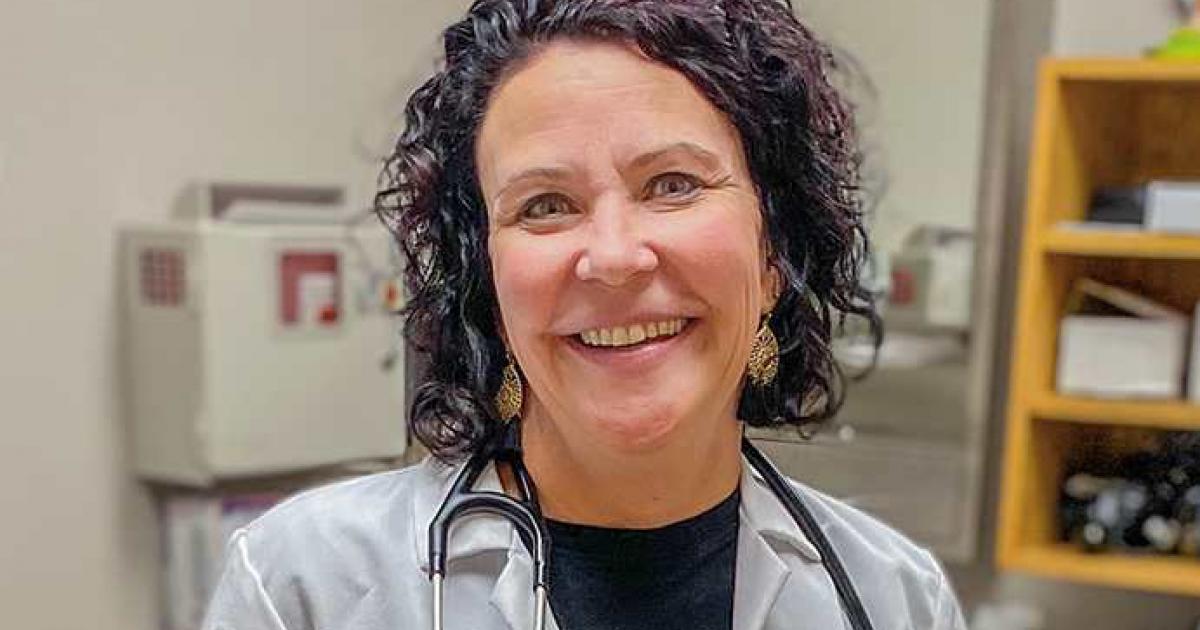
Preparing healthy meals around a fully loaded family life, a devoted career and unrelenting farm/ranch chores isn’t always an easy task. Family Nurse Practitioner (FNP) Carrie Gerving has eaten her share of tacos in a bag during her children’s sporting events.
“There would be weeks where we wouldn’t be home any night except Wednesday and if it was the Wednesday of my school board meeting, then I wasn’t home at all, so it was always trying to think of something that was quick and easy,” Carrie says. “And the quick and easy things are often the unhealthy things.”
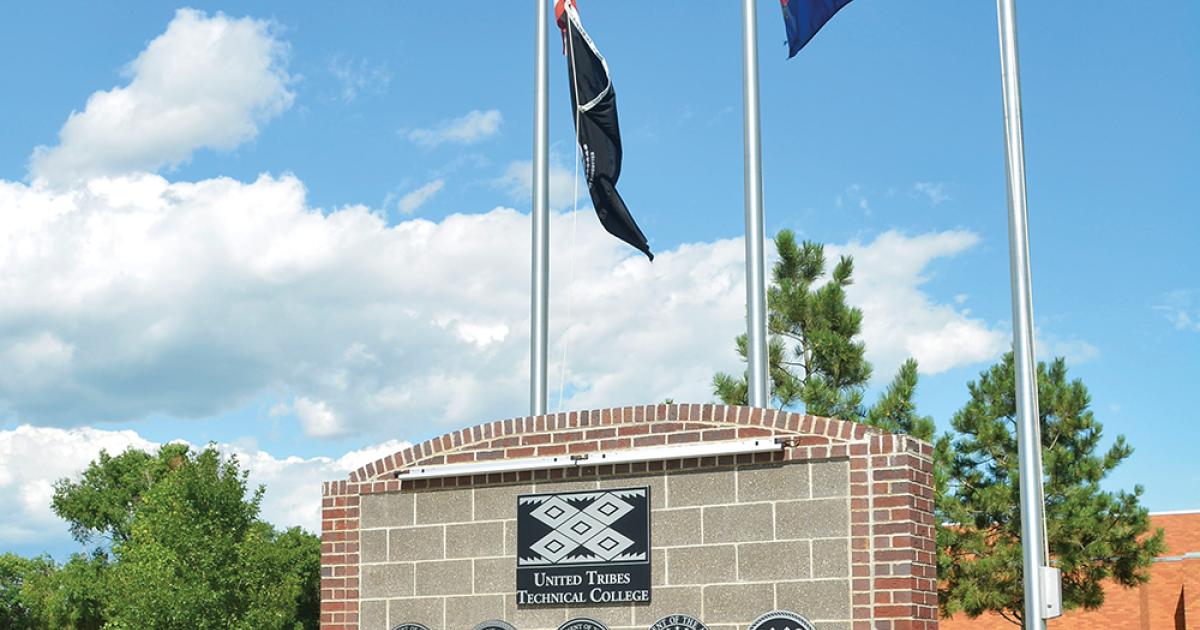
North Dakota’s five tribal colleges are prairie gems, describes Dr. Cynthia Lindquist, who has served as the Cankdeska Cikana Community College president for 17 years.
“People refer to us as these little gems out in rural America,” she says. “We know education matters, that education makes a difference, education is the answer. … If my little college, Cankdeska Cikana Community College, was not there in Fort Totten, we would not have college graduates. It’s really the gateway, and we do so much more than just higher education.”