“Cooperatives were born in politics and will die in politics.”
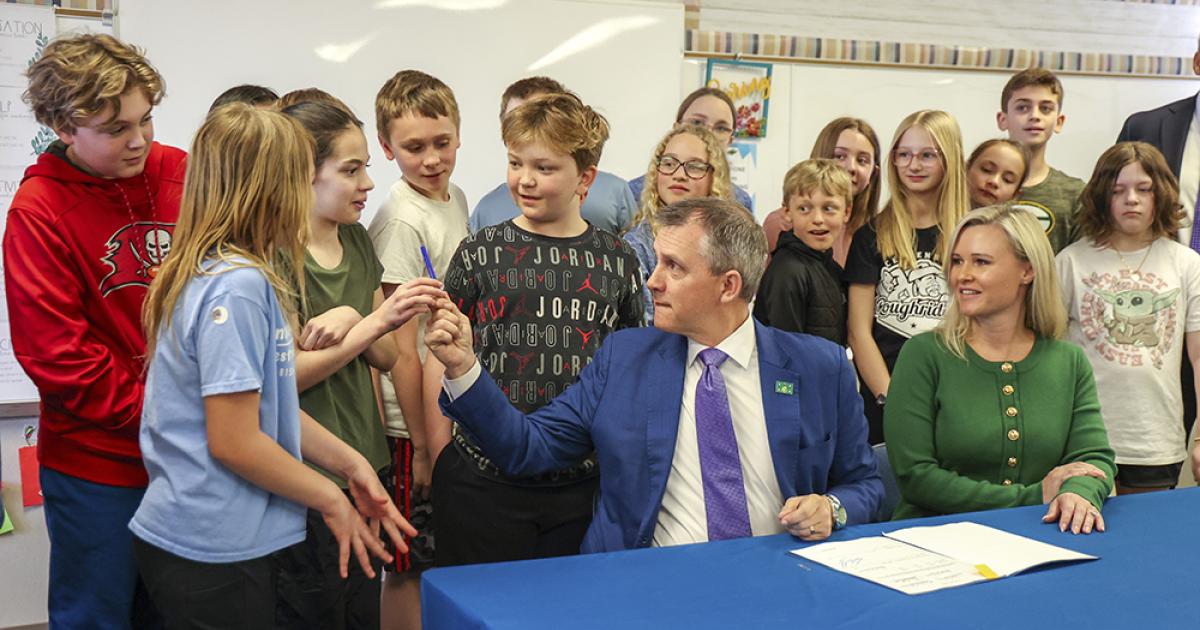
This oft-used phrase in the cooperative world both recognizes the circumstances through which most cooperatives emerge – in response to political and economic conditions, often as an alternative to traditional business models or power structures, seeking to empower individuals and communities – and acknowledges a critical function for their survival – advocacy.


Nearly five years ago, two North Dakota farmers had an idea to market their barley crop to beer brewers. A local surplus of barley and shortage of malt presented favorable market dynamics, and the pair were willing to bet on themselves, their barley and beer.

There is a place in western North Dakota where you can experience a rodeo on Saturday night and a church service on Sunday morning.
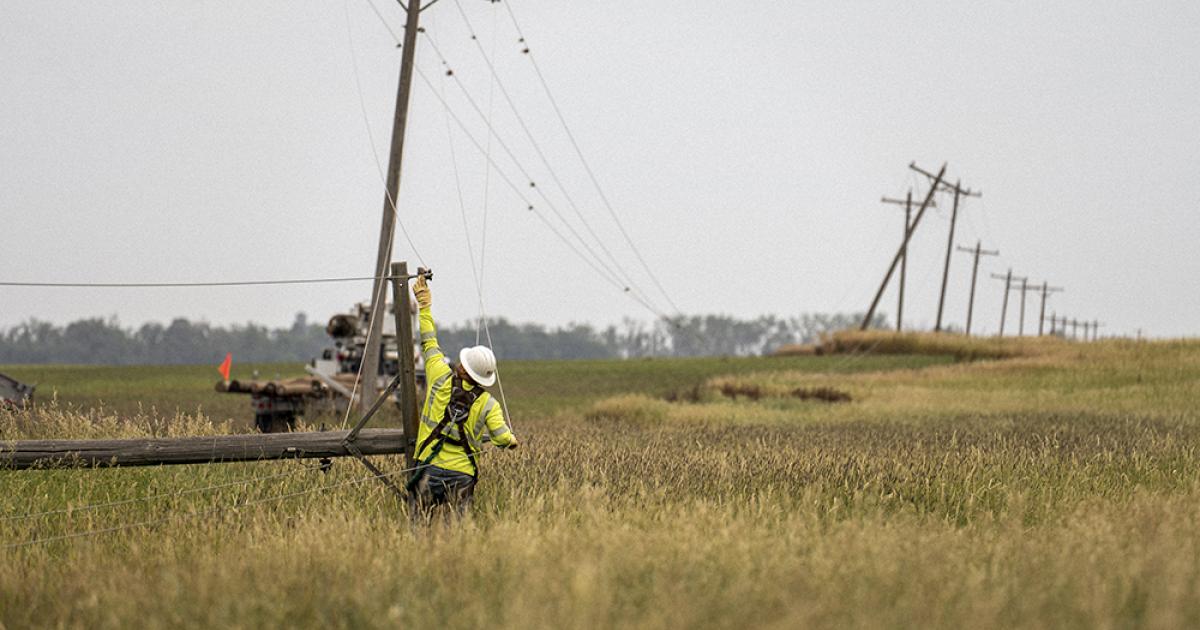
High above the ground with a sweeping view of the North Dakota prairie is right where Jacob Lund is meant to be.
The world changed five years ago when the coronavirus pandemic entered our lives. It disrupted everything, from the way we learn and work to the price of groceries and gasoline. While many facets of our lives have returned to normal (or a “new normal”), the American pocketbook is still wishing and waiting for the return of pre-pandemic pricing.