badlands

Long before North Dakota’s statehood, Indigenous people shaped the Northern Plains.

Along the banks of the Missouri River, Mandan and Hidatsa women crafted earth lodges from willow, grass and sod. With hoes made of bison bones, they tended vast fields of corn, squash and beans – the Three Sisters. These nutritious crops could be dried and stored, making them valuable for trade.

TR Presidencial Library

As America marks its 250th anniversary, North Dakota will celebrate a milestone of its own with the grand opening of the Theodore Roosevelt Presidential Library July 4 in Medora.

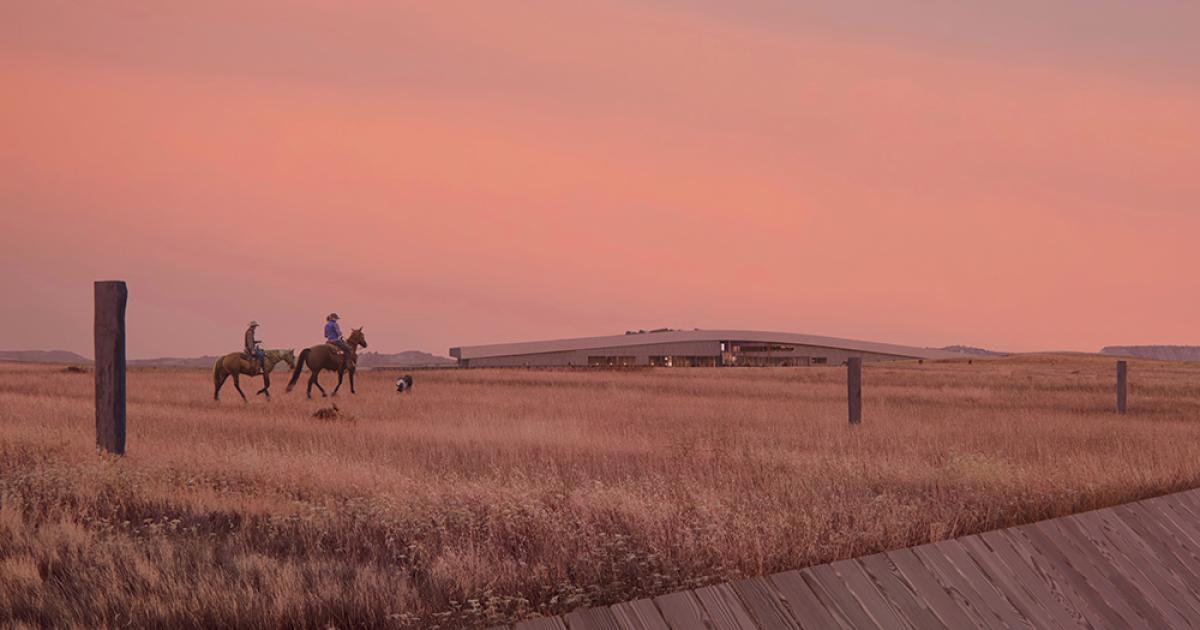
Built within the buttes of the Badlands, the library showcases Theodore Roosevelt's character and vision, and tells the story of the nation’s 26th president who influenced conservation, preservation of public lands and true American leadership.

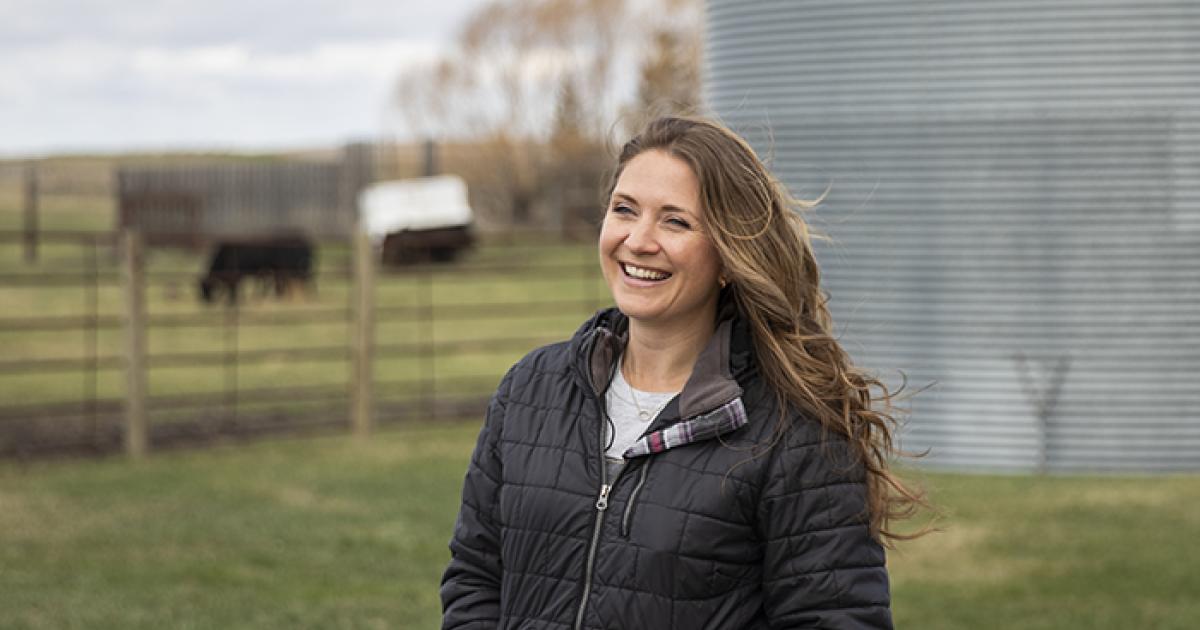
Ashley Bruner

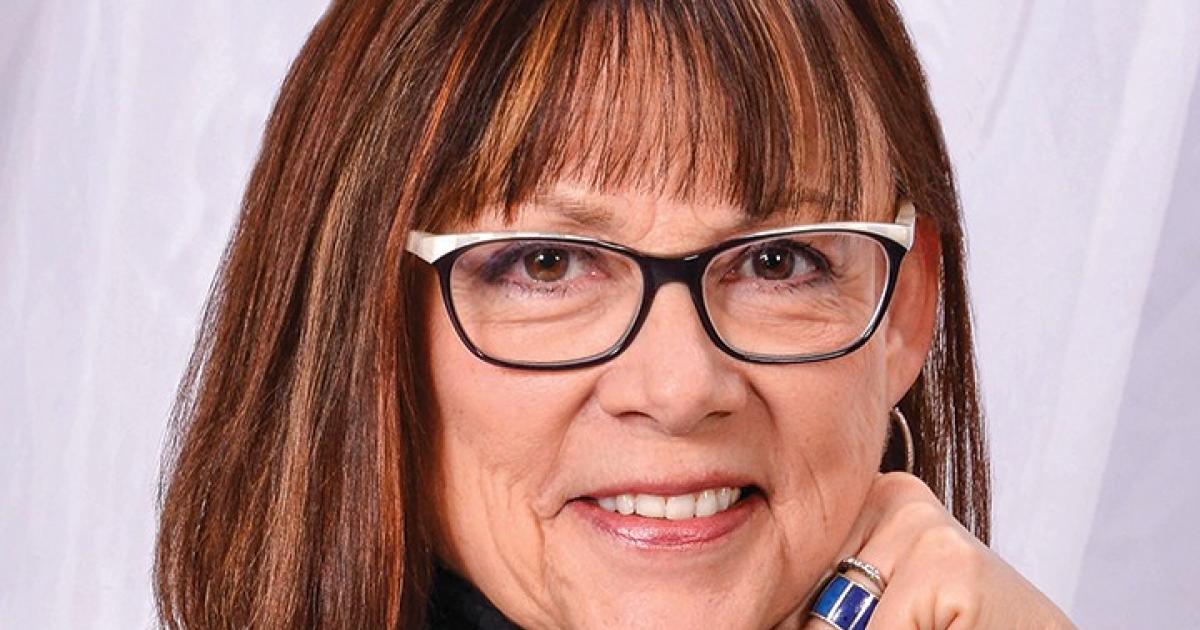
Most mornings, before the sun even rises, Ashley Bruner starts her day checking backpacks, making breakfast and mapping out the day before shuffling her four children off to elementary school. From there, she heads to a garage about 250 feet from her house. It’s a space her dad helped convert into a mini meat shop, complete with a walk-in freezer stocked with beef.

Routine, Bruner will tell you, is the last word to describe life on the ranch.

“No two days are the same,” she says.

Thomas Hanna

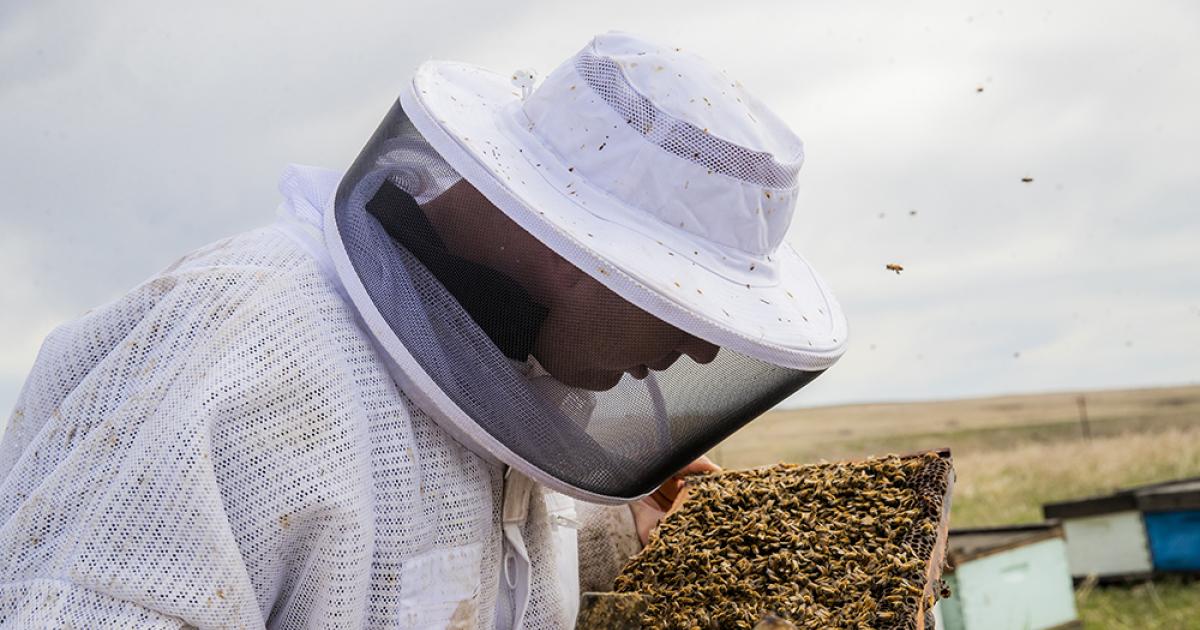
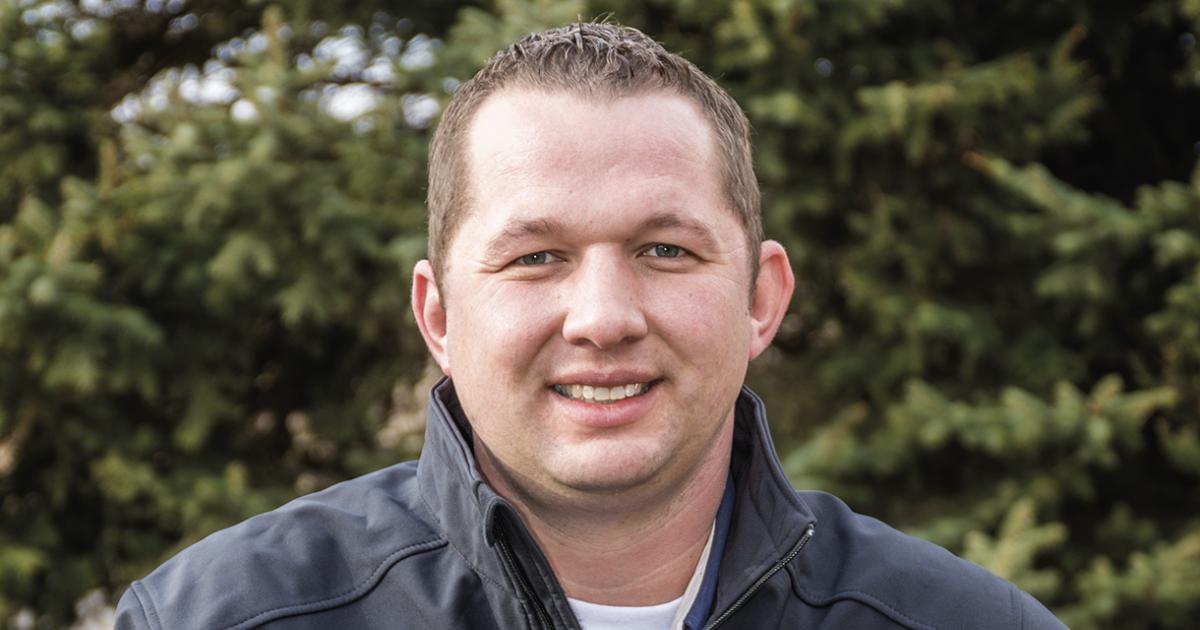
Each spring, Thomas Hanna walked alongside his father and grandfather, surrounded by the sweet scent of clover and the hum of hundreds of hives. There, he learned the rhythms of beekeeping, watching, listening and gaining hands-on experience all through high school. By 2009, he became a full-time beekeeper. Today, Thomas and his family continue their grandfather’s legacy at Hanna Honey Farm.

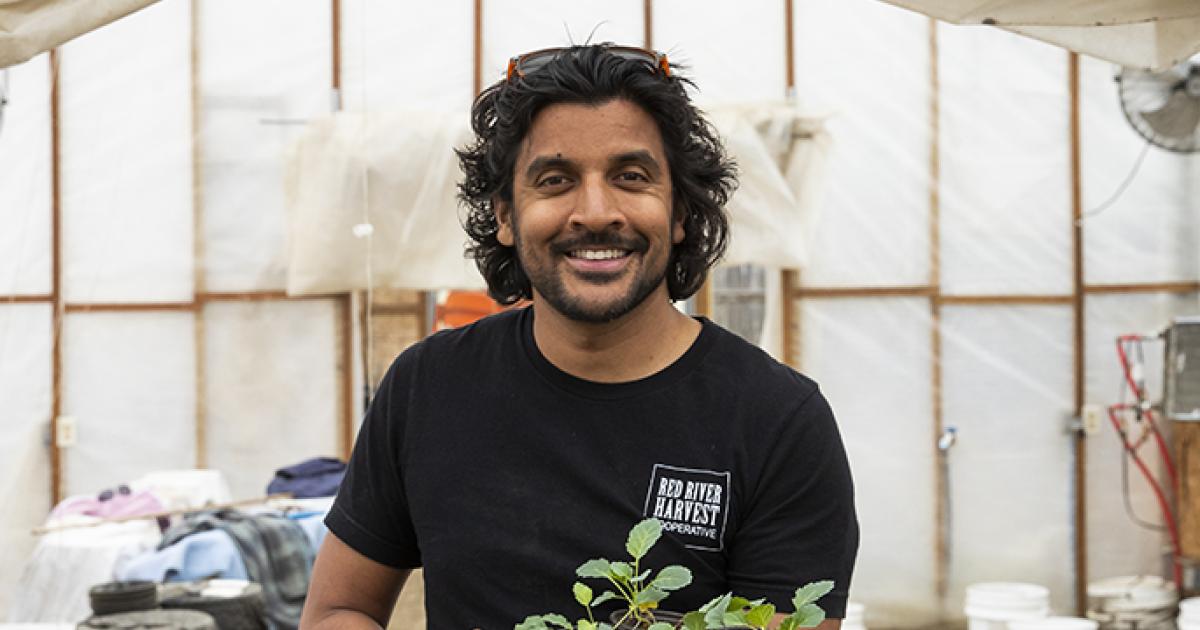
Quinn Renfandt

When the pandemic hit in the spring of 2020, Quinn Renfandt saw how serious food shortages could be to a landlocked state like North Dakota. It created a sense of urgency he hadn’t felt before.

“I was fascinated – and honestly disturbed – by the fact that we have food deserts here in North Dakota,” he says.

A food desert is an underserved area with limited access to affordable, healthy, fresh food.

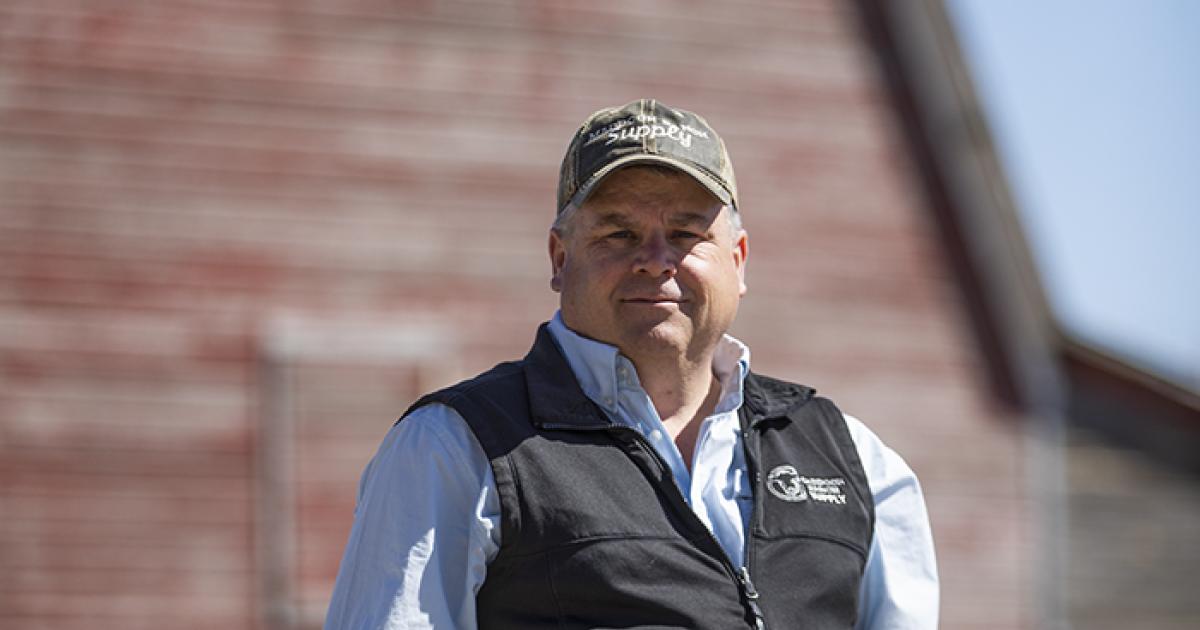
Brian Maddock

While farmers across the nation faced an economic collapse during the 1980s farm crisis, Brian Maddock studied.

As a legacy farmer, his family heritage runs deep. Maddock Ranch, located near the town of its namesake, traces back to Brian’s grandfather, who homesteaded in the area in 1889; the same year North Dakota gained statehood.

But it wasn’t until Brian attended a course on holistic resource management (HRM), that he put his faith into treating the ranch as one interconnected ecosystem. It worked.

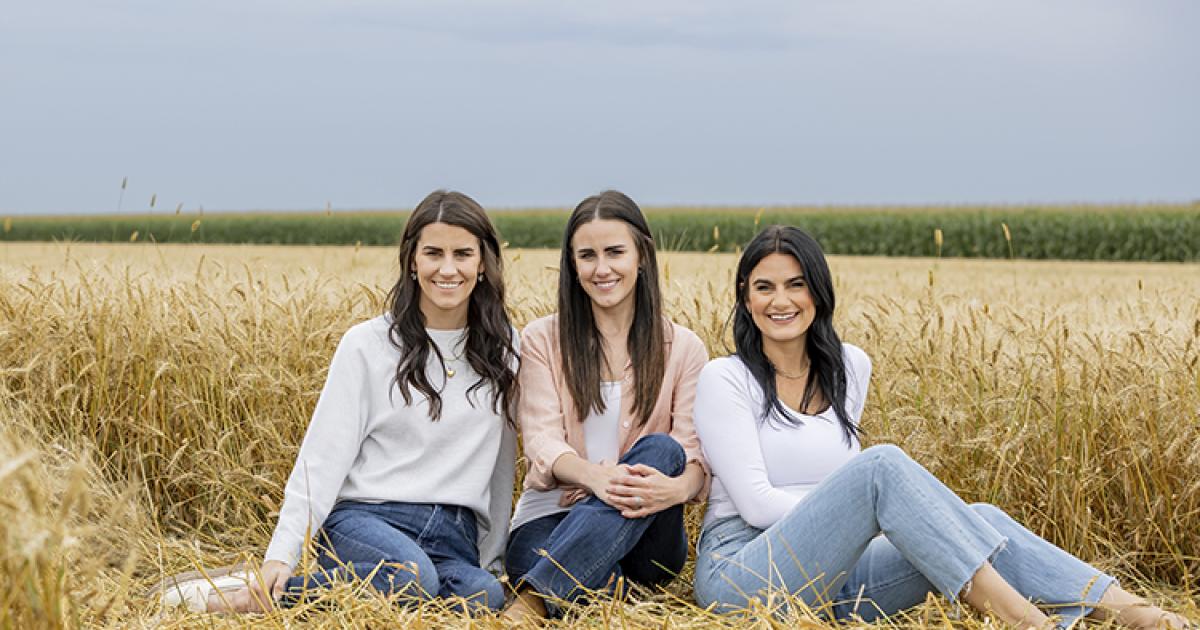
The founders of 3 Farm Daughters, from left to right, are Grace (Sproule) Lunski, Mollie (Sproule) Ficocello and Annie (Sproule) Gorder.

With a mission to create healthier food options, three sisters – Annie (Sproule) Gorder, Mollie (Sproule) Ficocello and Grace (Sproule) Lunski – are transforming the way people think about pasta, one nutritious meal at a time.

After growing up with a deep passion for farming instilled by their family, the Sproule sisters ventured one-by-one to college at Bethel University in St. Paul, Minn. However, it wouldn’t take long until whispers from the Red River Valley beckoned them back to the fertile fields of home, Sproule Farms near Grand Forks.